
Last updated November 25, 2026
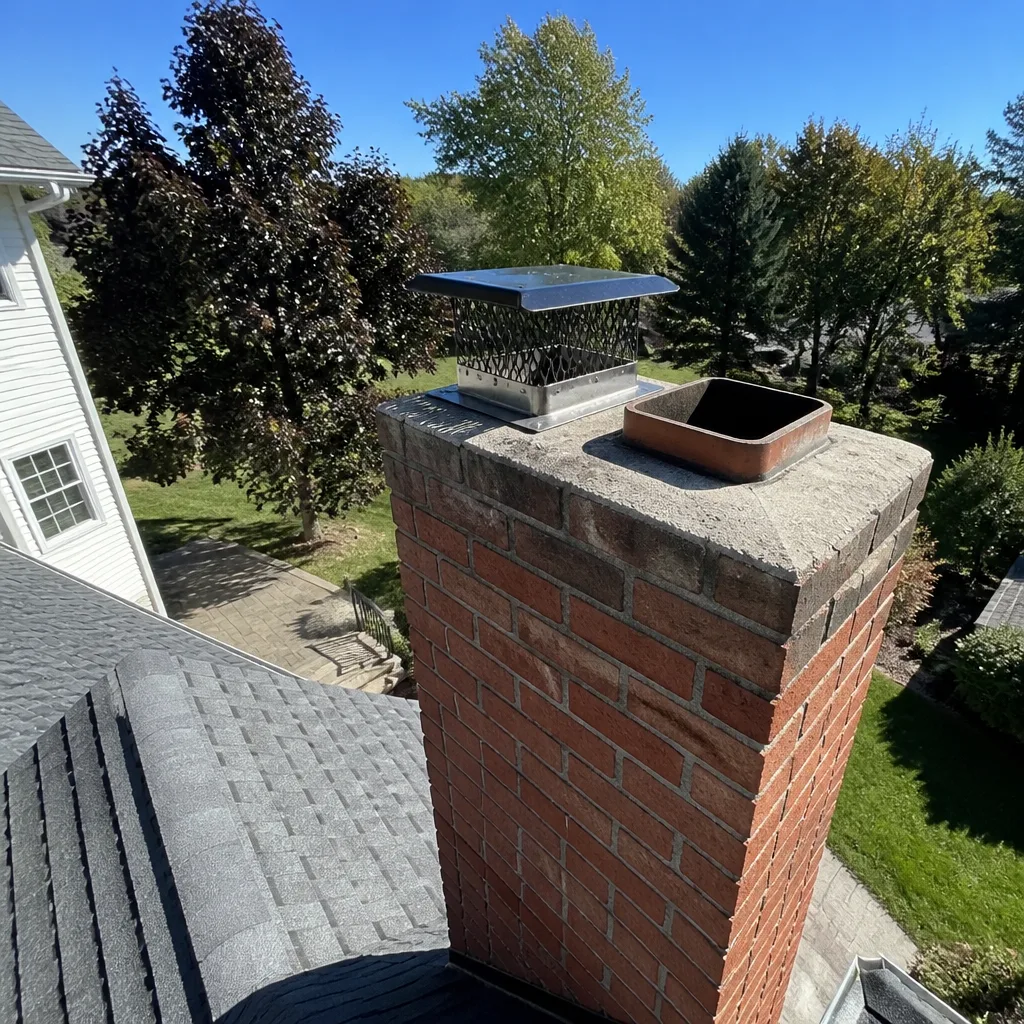 Sweep & inspection
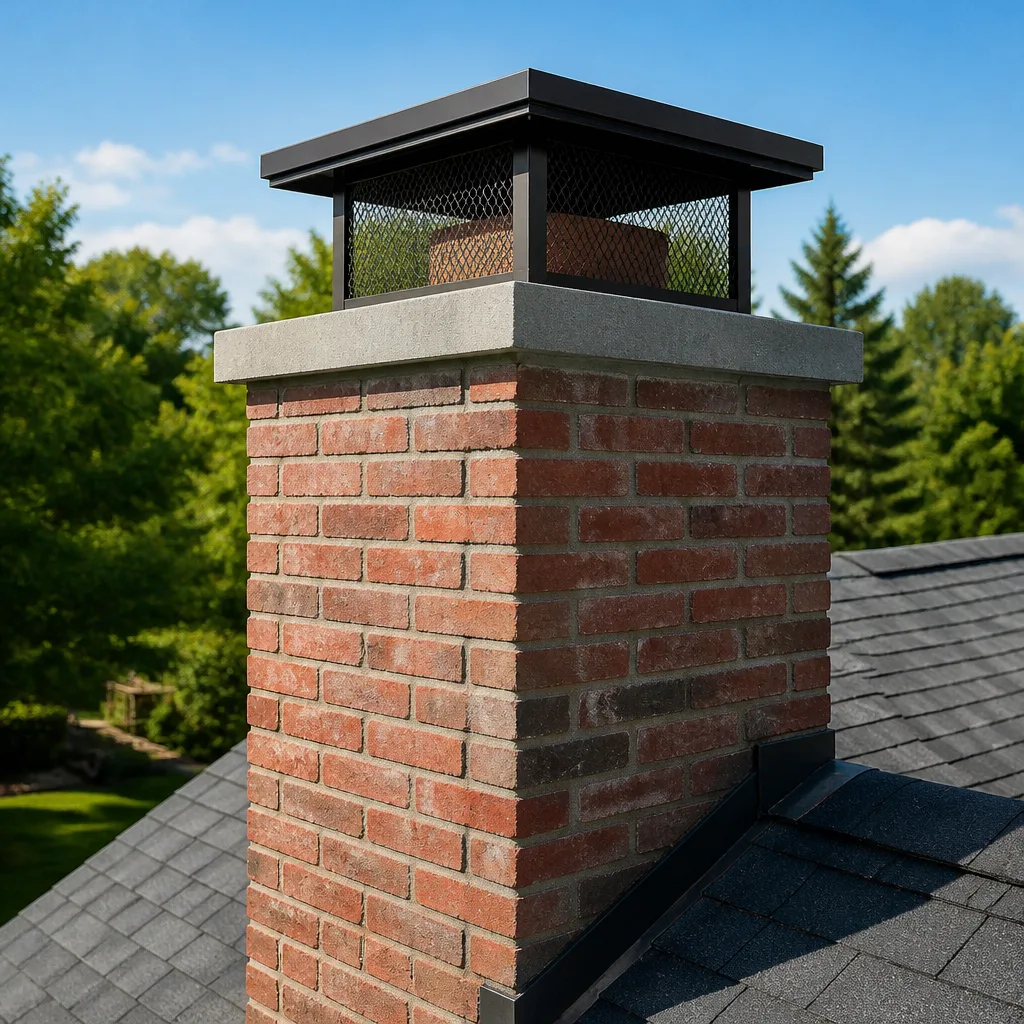 Caps & crowns
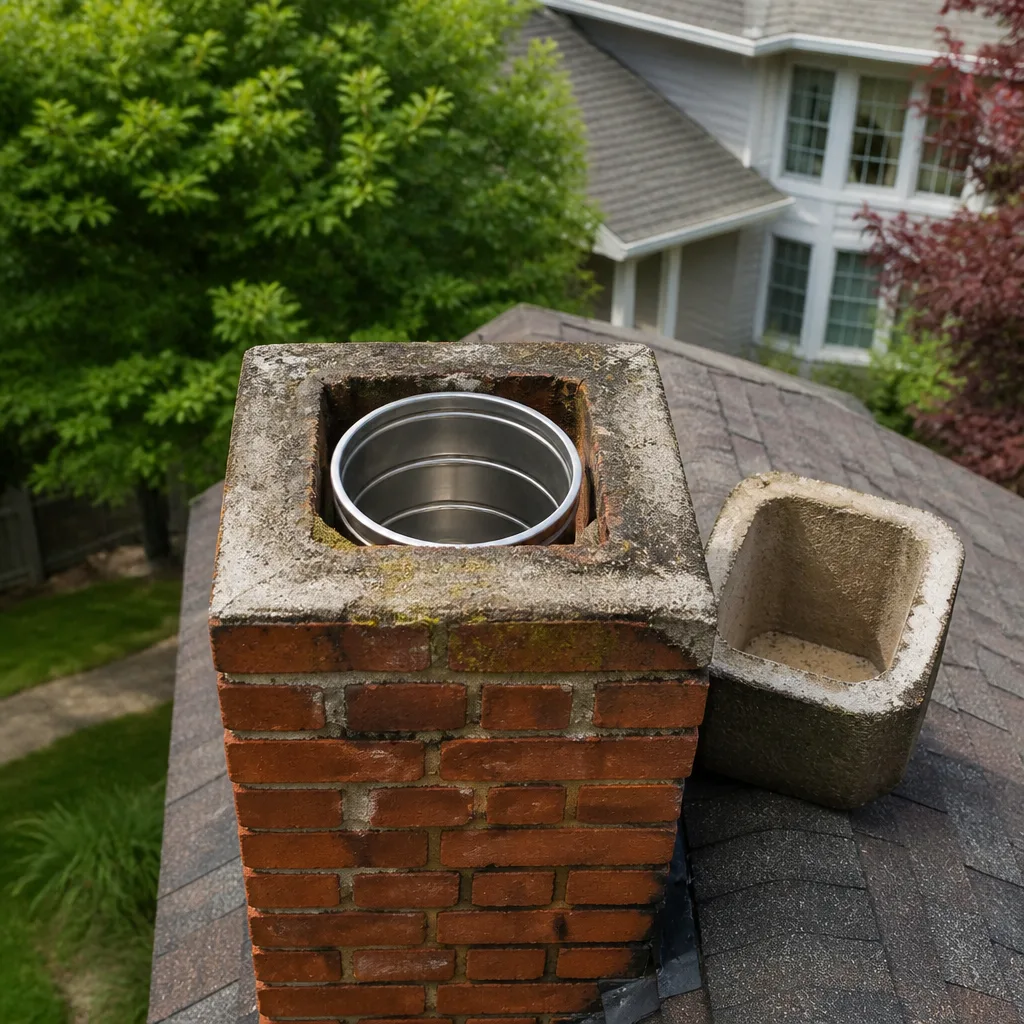 Flue relining
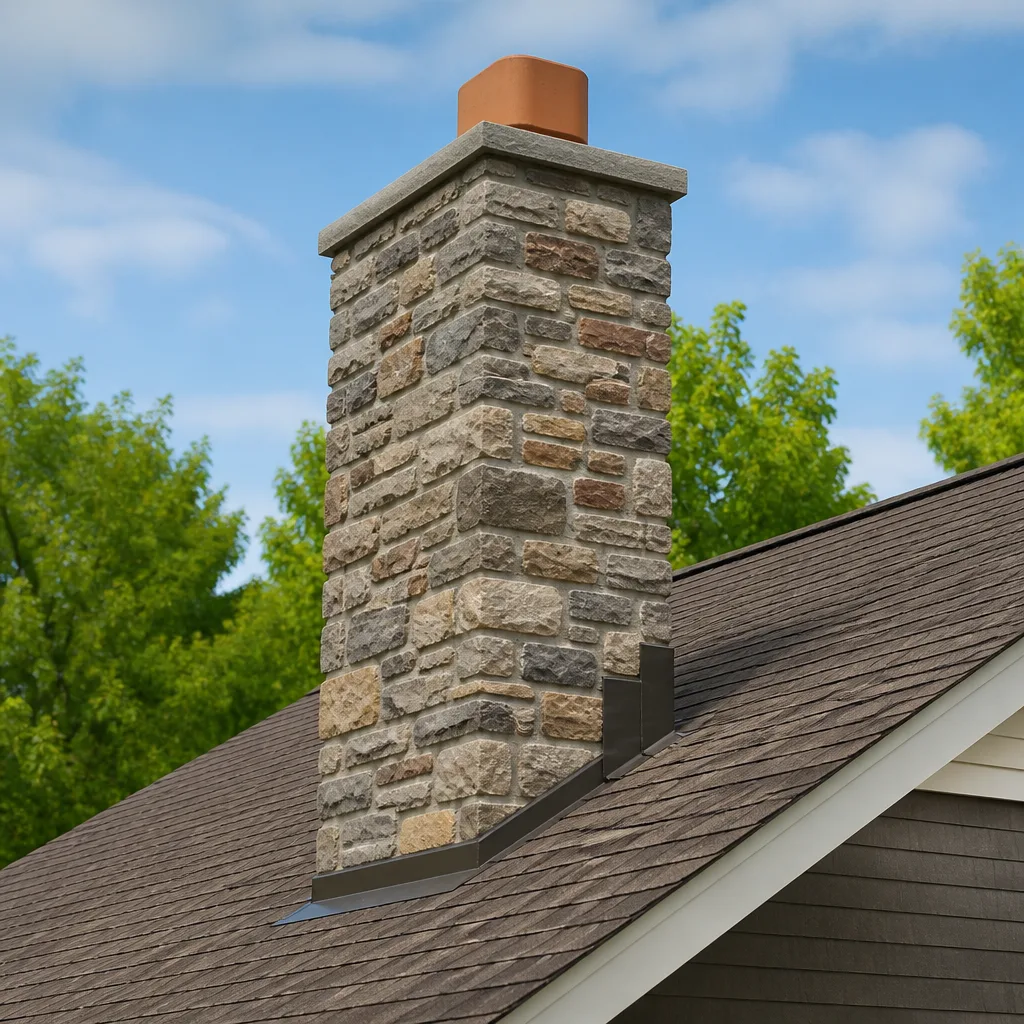 Masonry repair
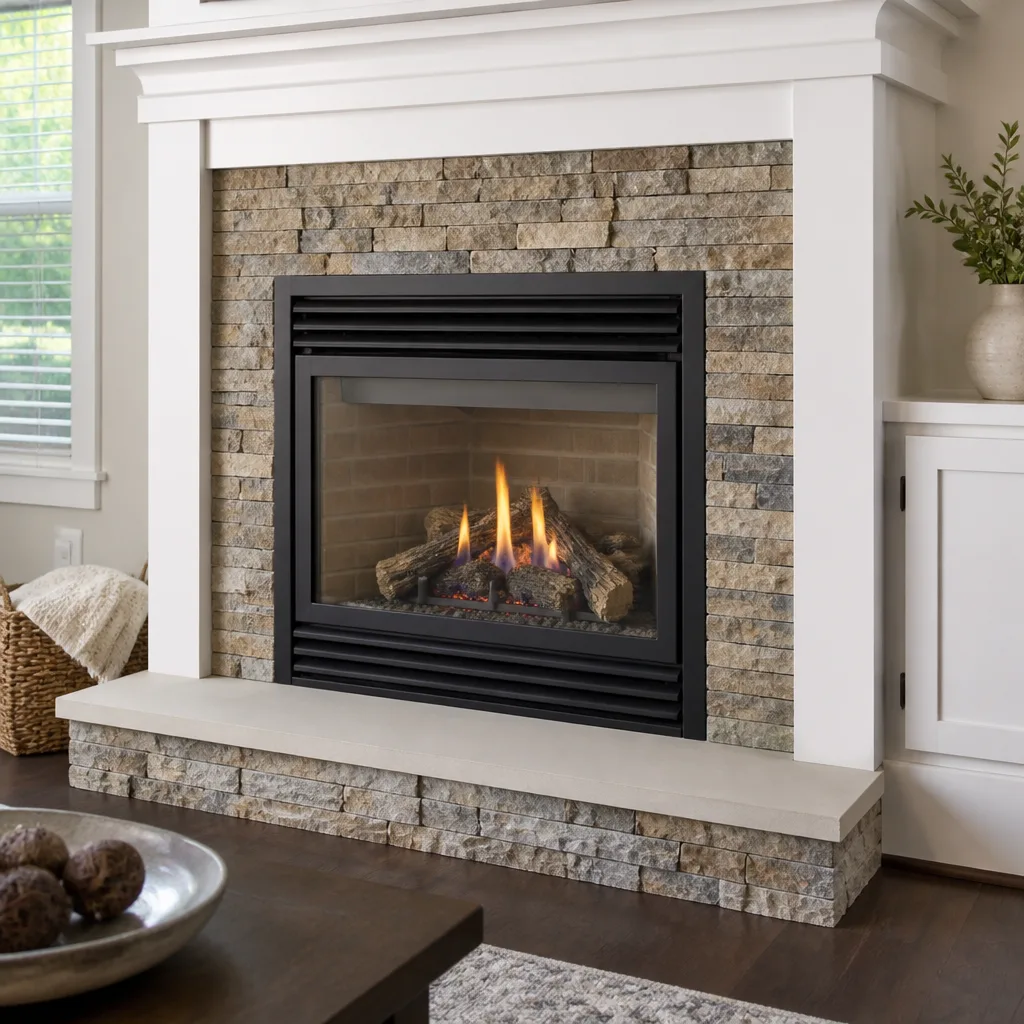 Gas fireplace service
Level 1 sweep and inspection to the NFPA 211 annual standard - flue, crown, cap, and flashing checked and photographed
Chimney sweep logs do not sweep chimneys. They loosen some creosote - which then falls where a brush and vacuum still have to collect it.
Chimney Sweep Maintenance Checklist for Far Rockaway Homeowners
The flashing is the first thing that fails on a Far Rockaway chimney, and it’s the last thing most homeowners check. By the time water shows up on the firebox floor, it’s usually been working its way through the masonry for months. Most checklists make this worse by sorting tasks alphabetically or by whatever a manufacturer wants to sell you. This one is sequenced by what actually fails first on a Far Rockaway chimney: the exterior first, the flue second, the firebox last. You’ll learn the exact order to check things in, the intervals that fit your fuel type, and how one annual photo habit can save you real money if you ever have to file a claim.
Quick Answer
A chimney maintenance checklist for Far Rockaway homes should be worked exterior-first: check flashing, crown, and mortar joints before you ever open the damper, then move to the flue liner, damper plate, and smoke shelf. Sweep intervals depend on fuel type – wood-burning chimneys typically need sweeping once a year or after roughly a cord of wood, gas inserts every one to two years, and oil-fired systems annually. Photograph the firebox and flue entry every year to build a baseline for insurance.
Styles & brands we work with
- Sweep & inspection
- Caps & crowns
- Flue relining
- Masonry repair
- Gas fireplace service
Table of Contents
- Why the Order of This Checklist Matters in Far Rockaway
- Step 1: The Exterior-First Inspection Sequence
- Step 2: Reading the Stainless Steel Liner
- Step 3: The Damper Plate and Smoke Shelf Check
- Step 4: Sweep Frequency by Fuel Type
- Step 5: The Annual Photo Documentation Habit
- When to Schedule Work Around the Far Rockaway Season
- Common Mistakes to Avoid
- When to Call a Professional
- Frequently Asked Questions
Why the Order of This Checklist Matters in Far Rockaway
A checklist is only as good as its sequence. If you inspect the firebox first and find it dry, you might assume the whole chimney is fine and stop there. But water damage almost always starts at the top of the structure and travels down through the masonry, arriving at the firebox long after the exterior has already been compromised. Working top-down and outside-in means you catch the problem at its source instead of at its destination.
Far Rockaway chimneys sit in a particular environment. The peninsula catches steady wind off Jamaica Bay and the Atlantic, and the freeze-thaw cycles that hit Queens in January and February work on masonry in a specific way: water gets into a hairline crack, freezes overnight, expands, and widens the crack a little more each time. A mortar joint that looked sound in October can be visibly eroded by March. That’s why the exterior sequence comes first in this guide. It’s where the damage starts, and it’s where a homeowner can actually see what’s happening.
There’s a second reason for the sequence. The tasks that follow the exterior check – the liner, the damper, the smoke shelf – all depend on the chimney being dry and structurally sound to give you an honest reading. A corroded liner usually has an exterior cause. A stuck damper often has debris behind it that came from a failed crown. If you check the inside first, you’re diagnosing symptoms without seeing the cause.
If you only have time for one thing before burning season, make it a Chimney Sweep Far Rockaway visit that covers the full exterior and interior sequence in one appointment. That gets you a real picture of the chimney rather than a guess from the fireplace side.
Step 1: The Exterior-First Inspection Sequence
Before you touch the damper, go outside and look up. The exterior check needs to happen in this order: flashing first, crown second, mortar joints third. Each one tells you something the next check depends on. This is the sequence our technicians work through on every Far Rockaway chimney, and it’s the one that surfaces problems most reliably.
- Flashing. Look at the metal strips where the chimney meets the roof. They should lie flat, seal tight against the masonry, and show no lifting, rust, or gaps. Any daylight visible between flashing and shingle means water has a path in. Flashing is the most common failure point on a Far Rockaway chimney and the easiest to miss from the ground.
- Crown. The concrete cap at the very top of a masonry chimney should overhang the edges slightly and slope away from the flue. Look for cracks wider than a hairline, spalling (concrete flaking off), or a crown that’s pulling away from the flue tile. A cracked crown channels water straight into the masonry.
- Mortar joints. Run your eye down each side of the chimney. Joints should be full and slightly recessed, not crumbly or missing. Pay particular attention to the north-facing side, which stays wet longer after rain and erodes faster in Far Rockaway’s climate.
- Chimney cap. The metal or masonry cover over the flue opening should be intact and screening clear. A missing or damaged chimney cap & crown lets rain, birds, and squirrels straight into the flue.
Any of these four exterior items can be resolved without touching the interior of your chimney. If you find a problem here, the fix usually belongs on the same visit as your next sweep. Never put off a flashing repair into the wet season – a small flashing gap becomes a saturated chimney wall after one good storm.
Step 2: Reading the Stainless Steel Liner
A stainless steel liner is the second line of defense for your chimney, and it’s the part homeowners understand least. When it begins to fail, the cause is usually one of two things: internal corrosion from combustion byproducts, or external corrosion from the moisture and salts that reach the liner from outside the flue. On a Far Rockaway chimney, the external path is common and underdiagnosed.
Internal corrosion shows up as rust streaks running down the inside of the liner, a chalky white or orange discoloration on the metal, or pitting visible when light is shone down the flue. External corrosion is subtler. The metal is being attacked from the outside in, usually because water is reaching it through failed flashing, a cracked crown, or saturated masonry. The liner looks sound from the firebox side, but the metal has already begun to thin.
Signs the liner needs a closer look:
- Rust streaks on the firebox walls that weren’t there last year
- A metallic or burnt smell when the fireplace is cold
- Visible gaps, cracks, or delamination in a clay tile liner
- White efflorescence on the masonry near the liner access point
- A flue that sounds different when tapped – duller, thinner toned
When a liner has deteriorated, a full relining job with a DuraFlex stainless steel flexible liner is one route. When the deterioration is limited and the flue is still structurally sound, HeatShield ceramic resurfacing can restore the liner from the inside without tearing the chimney apart. Both are professional decisions, and neither is something to attempt from a ladder. If you suspect a liner problem, treat it as a safety issue and stop using the fireplace until it’s been evaluated.
Step 3: The Damper Plate and Smoke Shelf Check
The damper plate and smoke shelf sit just above the firebox, and they collect a specific pattern of debris. Knowing what normal accumulation looks like versus a warning sign saves you from either ignoring a real problem or panicking over nothing.
Normal accumulation is a light, even dusting of ash and soot across the smoke shelf, plus a thin film on the damper plate. When the damper is opened and closed, it should move freely and seat flush when closed. A little creosote glaze on the plate is normal after a season of burning.
Warning signs look different:
- Chunks or flakes of debris behind the damper – these often come down from a failing flue tile higher up
- A damper that won’t close fully – the plate is warped, or debris is caught on the seat
- Soot shavings falling into the firebox when the damper is worked – a sign of a coated flue
- Anything that looks like a bird’s nest or leaves on the smoke shelf
- A heavy, sticky, tar-like buildup – glazed creosote, which is a fire risk and needs professional removal
The smoke shelf itself is a small chamber behind the damper that most homeowners never see. It’s the shelf the smoke curls against as it rises, and it collects whatever the flue sheds. If you’re doing a visual check yourself, use a flashlight and mirror to look behind the damper without reaching in. If you see glazed creosote or heavy debris, that’s a professional chimney sweep job – glazed creosote doesn’t come off with a homeowner brush.
Step 4: Sweep Frequency by Fuel Type
Not all Far Rockaway chimneys need the same maintenance interval. Fuel type drives how fast creosote and soot accumulate, and it’s the single biggest factor in setting your sweep schedule. Here’s how the intervals break down:
Wood-burning chimneys
Wood-burning fireplaces and inserts need sweeping once a year, and more often if you burn heavily. A practical benchmark is after every cord of wood. Far Rockaway homes that use the fireplace as a primary heat source in winter may need two sweeps per season – a full clean before the first burn, and a mid-season check if you’re burning steadily. Seasoned hardwood produces less creosote than green wood, so the quality of your firewood matters as much as how much you burn.
Gas inserts and gas fireplaces
Gas systems burn cleanly, so they need less frequent attention. Most gas inserts need a sweep and inspection every one to two years, with the venting checked for any sign of blockage or corrosion. The fireplace itself – logs, burner, pilot – should be checked annually. Gas burning produces moisture, and in a Far Rockaway winter that moisture has to go somewhere. A partially blocked vent means it goes into the masonry instead.
Oil-fired systems
Oil-fired chimneys need annual attention, no question. Oil produces soot and sulfur compounds that corrode metal liners faster than wood smoke does, and the residue can build up quickly. If you heat with oil, plan a professional inspection every year before the heating season, without exception. Skipping a year on an oil-fired system is the most common cause of premature liner failure we see.
A quick reference table
- Wood-burning: Once per year, or after each cord of wood
- Gas insert: Every one to two years
- Oil-fired: Annually, before heating season
- Pellet stove: Annually, plus a mid-season flue check if used heavily
If you’re not sure which fuel class your chimney falls into, or your system has been converted (say, a wood fireplace with a gas insert added), a diagnostic inspection settles it. Knowing exactly what you have before the season starts beats guessing at an interval.
Step 5: The Annual Photo Documentation Habit
Take photographs of your firebox and flue entry every year, on the same date, from the same angle. That single habit has saved more homeowners in disputed insurance claims than just about any other maintenance practice. Here’s why it works.
Insurance adjusters work with before-and-after evidence. If a chimney fire or water claim comes up, the question of when a defect appeared matters. Without photos, a homeowner can only say the chimney was “fine last year.” With a dated photo of the firebox walls from each previous year, you can show whether a rust streak is new since the last inspection or whether it’s been there a while. That difference decides who pays for a repair more often than people realize.
What to photograph:
- The firebox walls, straight on, in good light
- The damper plate in both the open and closed positions
- The flue opening from just above the damper, with a flashlight beam on the liner
- The smoke shelf, using a mirror if needed
- The exterior of the chimney from roof level – flashing, crown, and mortar joints
Keep the photos in a dated folder. A phone camera is fine. The point isn’t professional quality; it’s consistency. Same date, same angles, same lighting. When you work with us on an annual inspection, we photograph the same points and include the report with your visit, so your own baseline stays aligned with a professional record. That alignment is what a claims adjuster wants to see.
When to Schedule Work Around the Far Rockaway Season
Timing matters more than most homeowners expect. The Far Rockaway burning season runs from the first cool evenings of October through March, and the tightest window for maintenance is late August through early October. That’s when a sweep and inspection should happen – before the first fire, not in the middle of a cold snap.
The ideal sequence looks like this:
- Late summer: Book the annual sweep and inspection while the weather is still warm and the exterior of the chimney is dry. Water damage is easier to identify on dry masonry than wet.
- Early fall: Complete any repairs the inspection surfaced – flashing, crown, mortar, cap, or liner work. These should all be done before the first fire of the season.
- Mid-winter: If you burn heavily, a mid-season flue check is worth doing. Not a full sweep necessarily, but a look at the smoke shelf and damper for signs of accelerated buildup.
- Spring: A post-season exterior check catches the freeze-thaw damage from the winter before it becomes a summer repair. This is also the season to look at any chimney repair work that a full inspection has flagged.
Scheduling in late summer also means you’re working ahead of demand. Far Rockaway homeowners who wait until the first cold week often find themselves pushing into a crowded calendar. Spring and summer are the quiet months for chimney work, and that’s when you get a more flexible schedule and a calmer assessment of what your chimney actually needs. If you’re on the fence about doing work this year, ask specifically which items can wait and which can’t. A crown crack can typically wait a season with a temporary seal; a failed liner cannot.
Common Mistakes to Avoid
- Checking the firebox before the roof. The firebox is the last place a water problem shows up, not the first. Start outside, work in. If you reverse the order, you’ll miss the actual cause in Far Rockaway nine times out of ten.
- Sweeping on a schedule without an inspection. A sweep and an inspection are two different services. The sweep cleans; the inspection diagnoses. A chimney can be clean and still be unsafe, and a sweep-only visit can miss a liner that’s started to fail.
- Assuming gas means low maintenance. Gas burns cleanly, but it produces moisture, and in a Far Rockaway winter that moisture has to leave the flue properly. A blocked vent on a gas insert is a carbon monoxide concern, not just a nuisance.
- Ignoring the north face of the chimney. The shaded side stays wet longer and erodes faster. Homeowners who check only the sun-facing side miss the worst of the mortar damage, especially after a freeze-thaw cycle.
- Cleaning glazed creosote with a homeowner brush. Glazed, tar-like creosote doesn’t respond to a standard brush. If you see it on the smoke shelf or damper, stop and call a professional. Trying to force it off can drive it further into the flue.
- Skipping the annual photos because the chimney “looks fine.” The photos are for the future, not the present. A dated baseline is worth more when something goes wrong than at any other time.
- Waiting for a smell to trigger maintenance. A chimney that smells of smoke on a humid summer day has a buildup problem, but a chimney that smells fine can still be unsafe. The absence of a smell tells you nothing.
See the difference
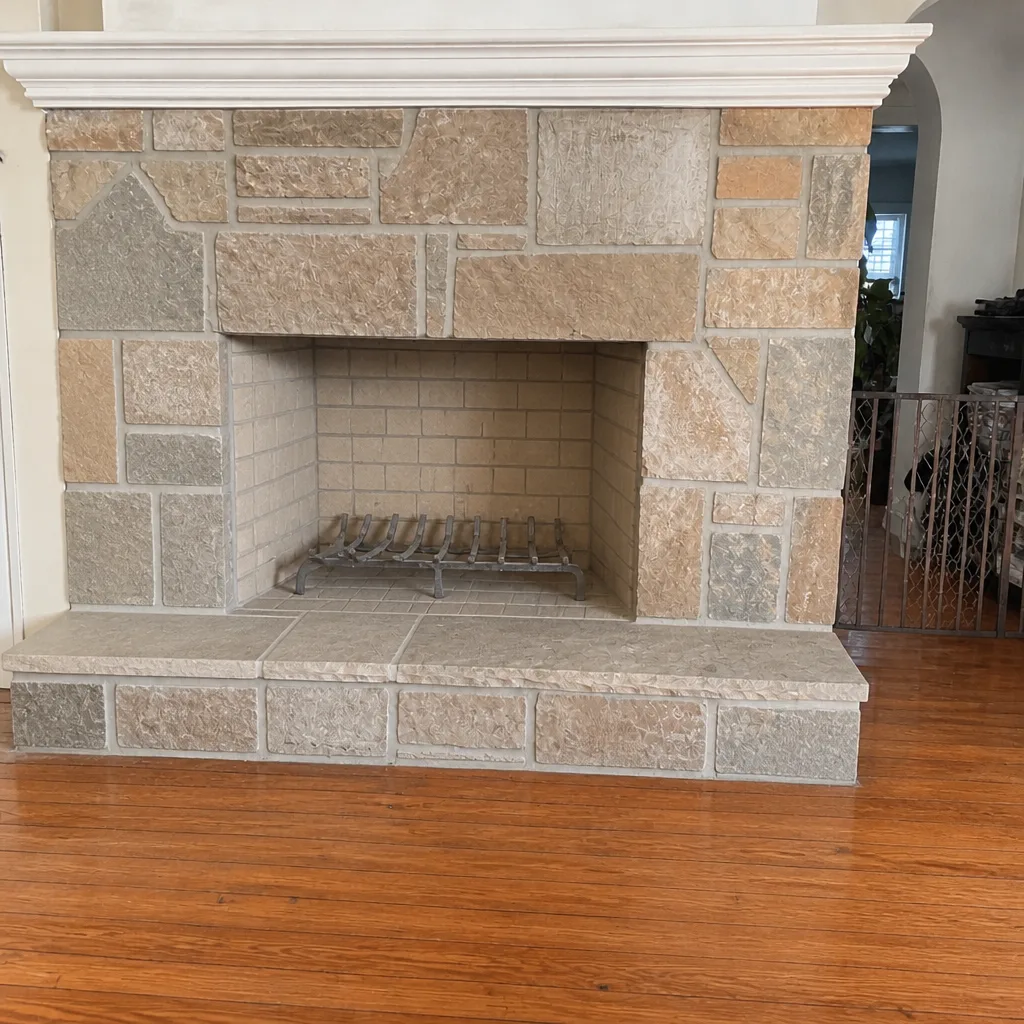
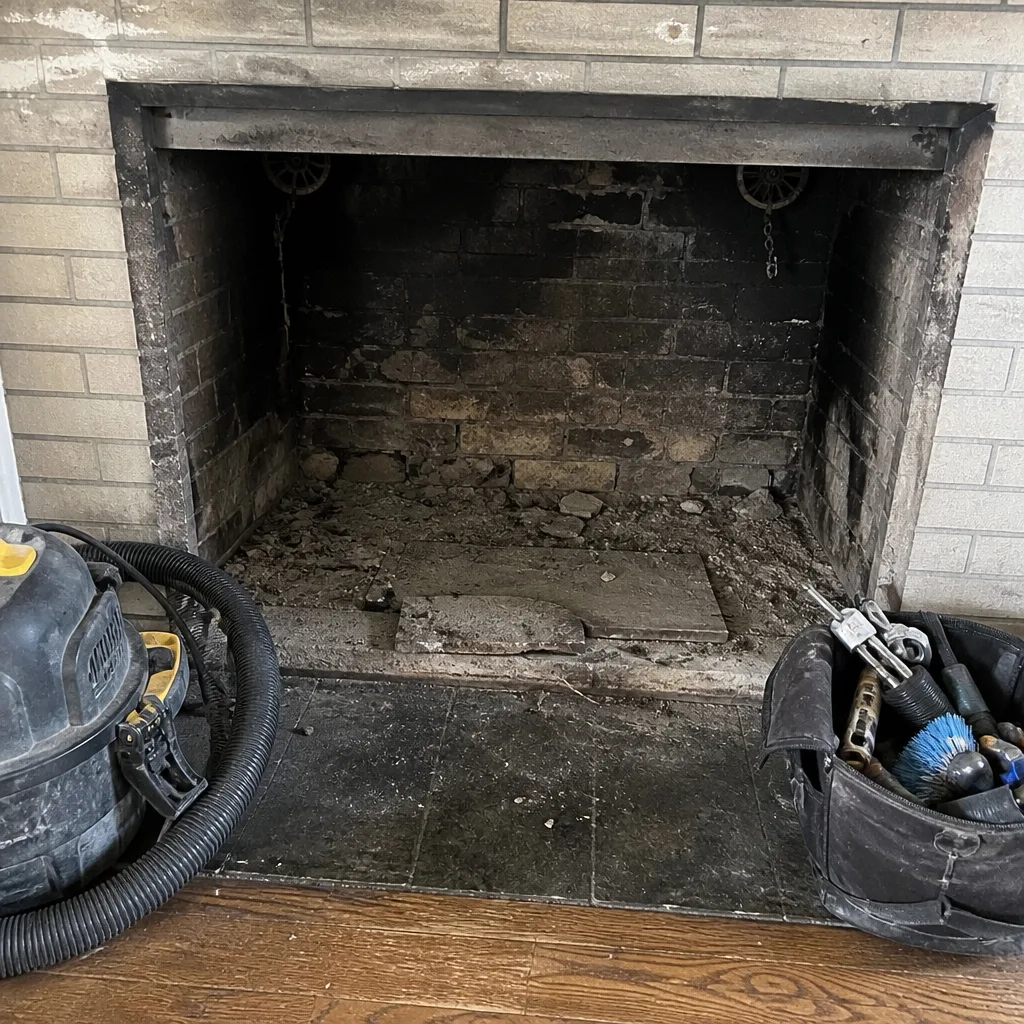 Before
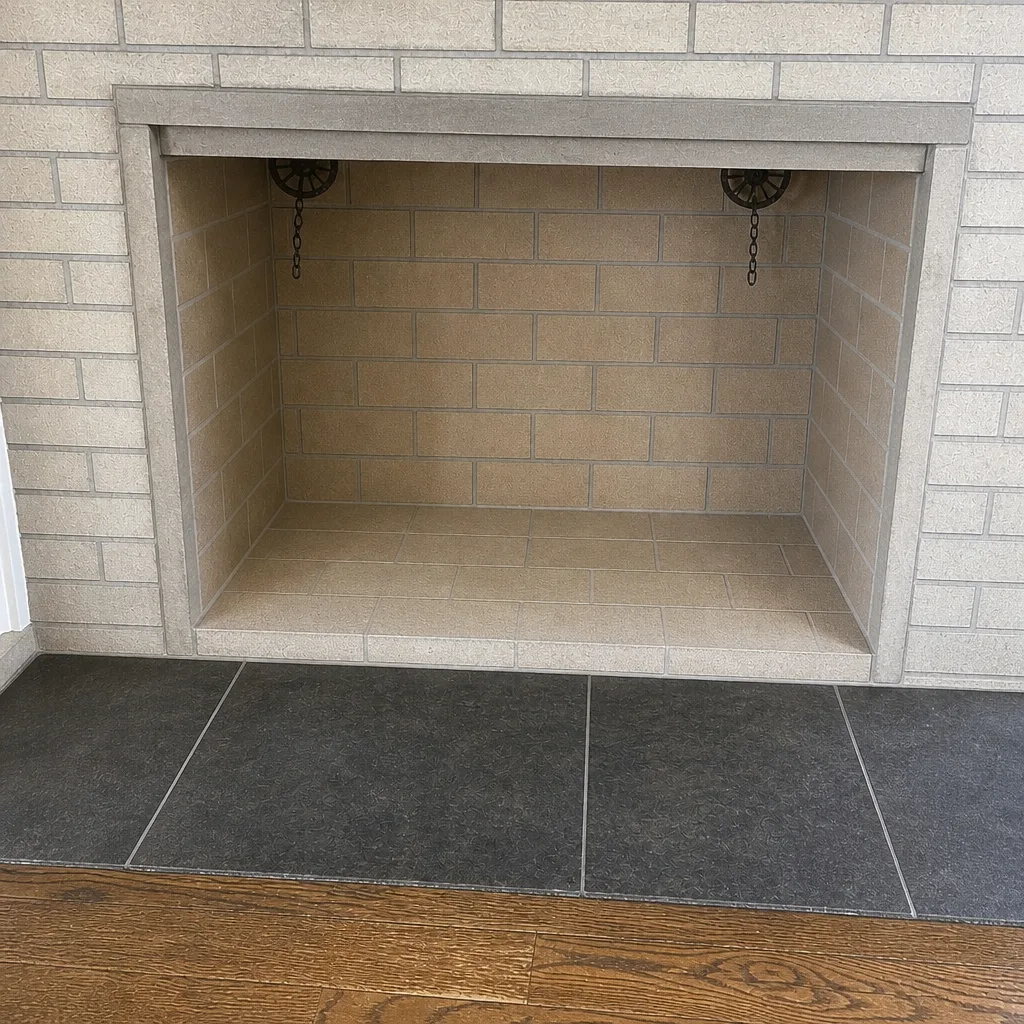 After
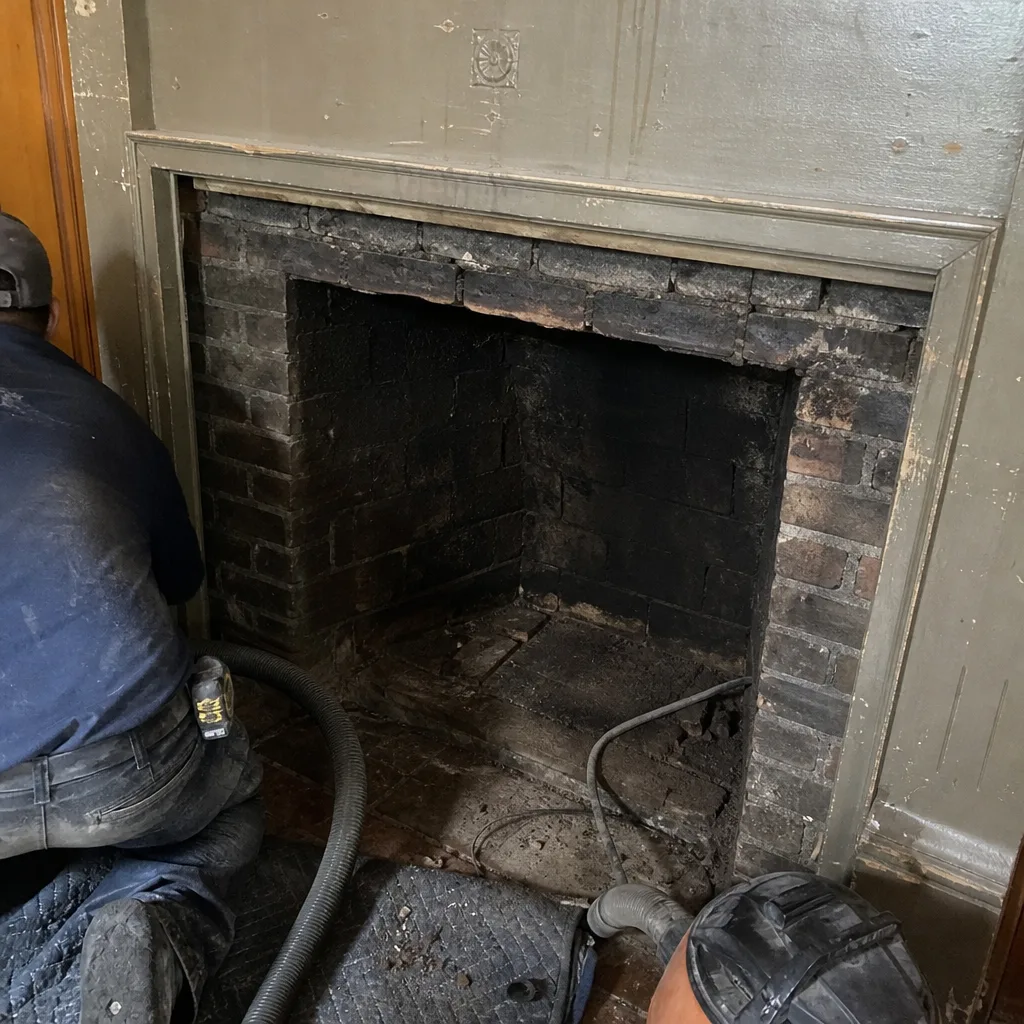
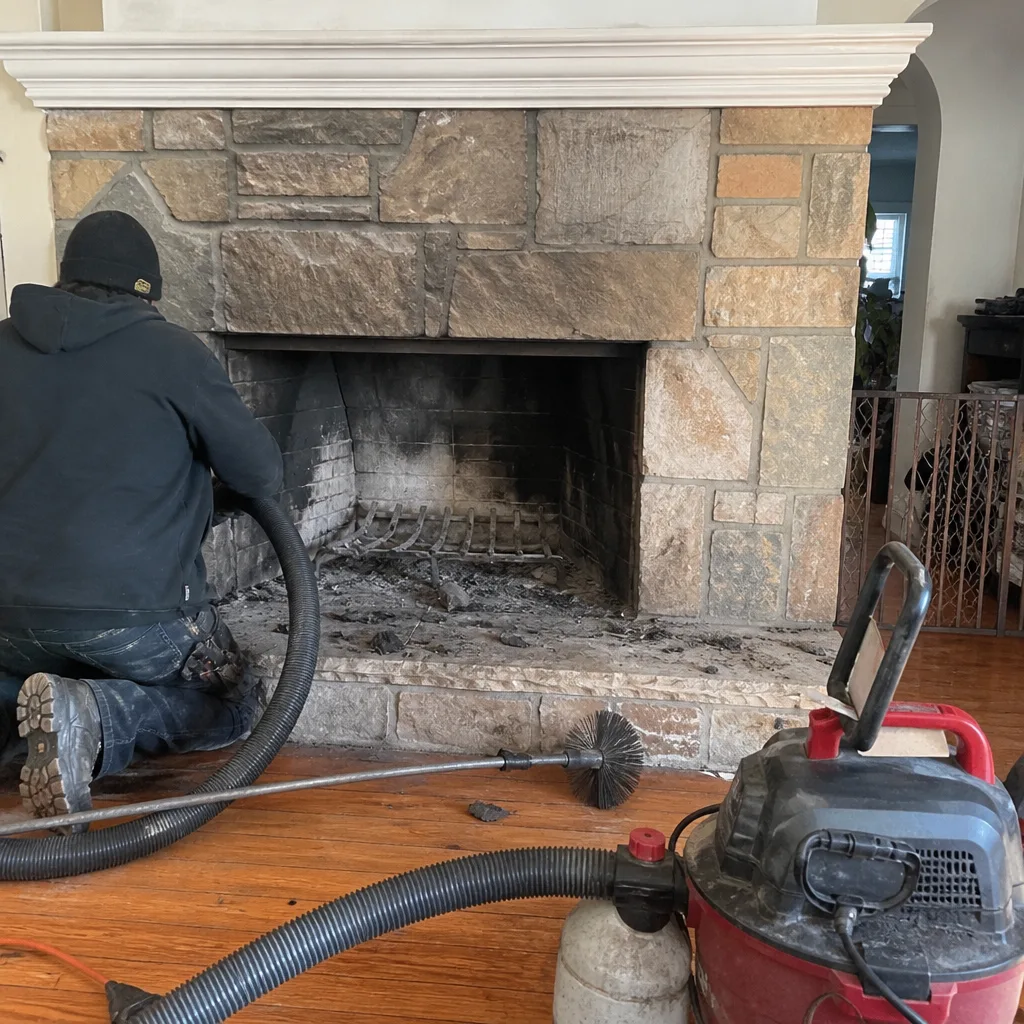 Before
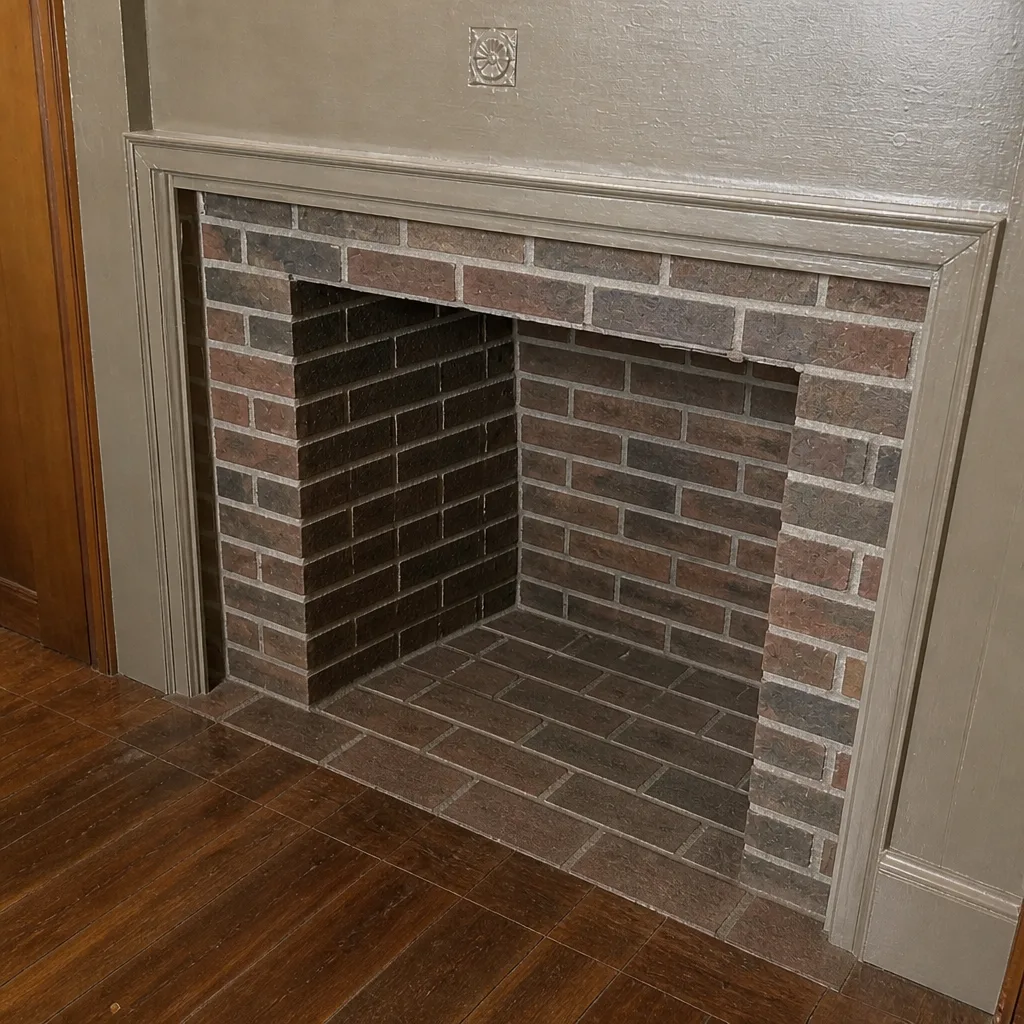
 After
 Before
 After
When to Call a Professional
Some checklist items belong on your list, and some need to stay off it. Anything involving a ladder, a roof, a high-tension component, or the interior of the flue belongs in the second group. If you see cracks in the liner, glazed creosote on the damper, water on the firebox floor, crumbling mortar at roof level, or flashing that has lifted, call us rather than climbing up to have a closer look. If you’re unsure about a damaged crown, a stuck damper, or a fireplace that’s not drafting properly, that’s also a call – the diagnostic inspection exists for exactly that. Chimney Sweep Far Rockaway offers free estimates in Far Rockaway, and our technicians have up to 8 years of experience. Call (866) 937-8492 to get a written estimate before any work starts.
Frequently Asked Questions
Once a year for wood-burning chimneys, or after every cord of wood. Gas inserts typically need a sweep every one to two years, and oil-fired systems need an annual inspection without exception. Far Rockaway’s freeze-thaw winters make the exterior check at least as important as the sweep itself, so plan a full inspection annually even if the sweep interval stretches. Call (866) 937-8492 for an exact quote – estimates are free.
The things that fail on a chimney are quiet. Creosote accumulates invisibly, mortar erodes slowly, and a liner corrodes from the outside in. Skipping the inspection doesn’t mean something will immediately go wrong; it means you’ve given up the early warning that lets you fix a small problem instead of a large one. The two real hazards – chimney fire from creosote buildup and carbon monoxide from a blocked or failed flue – are the ones you can’t detect by looking. Call (866) 937-8492 to book an inspection before the season starts.
It depends on how much of the liner is compromised and whether the flue structure behind it is still sound. A full replacement uses a DuraFlex stainless steel flexible liner installed from the top down. A resurfacing job uses HeatShield ceramic material applied from the inside, and it can restore a liner that’s cracked or deteriorated without tearing into the chimney. There’s no way to make that call without a proper inspection. Nothing gets recommended here without camera evidence you can see for yourself. Call (866) 937-8492 for a free estimate on either route.
Sometimes no. A liner with minor surface wear on a lightly used wood fireplace may be fine for years with proper annual checks. The risk is in assuming that’s your situation without looking. A failed liner isn’t a fire risk only when you’re burning heavily; it’s a risk every time you light a fire, because the gap it creates allows combustion gases into the masonry. An inspection tells you whether you’re in the “watch and check” category or the “fix now” category. Call (866) 937-8492 and we’ll tell you plainly which one you’re in.
Flashing and the crown, in that order. Wind and driving rain work on any gap between the flashing and the roofline, and a crack in the crown can grow during a freeze-thaw cycle. From the ground, look for daylight around the flashing, missing chunks of the crown, and any new staining on the upper masonry. If anything looks wrong, call us rather than climbing up – a wet roof is not the place to investigate. Fast dispatch from 7am to 7pm, Sunday through Friday. We answer 24/7.
A sweep removes creosote, soot, and debris from the flue, firebox, and smoke shelf. An inspection evaluates the whole system – exterior, liner, damper, and venting – and gives you a written picture of its condition. At Chimney Sweep Far Rockaway, they’re distinct services, not a checkbox before an upsell. You can book a sweep without an inspection, or an inspection without a sweep. Most homeowners are best served by both on the same visit. Call (866) 937-8492 to schedule either one.
The Bottom Line
A useful Far Rockaway chimney checklist is sequenced by what fails first, not by what’s easiest to check. Work outside-in: flashing, crown, and mortar before the damper. Look at the liner second, knowing that external corrosion is the failure mode Far Rockaway homeowners most often miss. Match your sweep interval to your fuel type – wood annually or per cord, gas every one to two years, oil annually. Photograph the firebox and flue entry every year so you have a dated baseline if a claim ever comes up. Do the exterior and interior inspection before the first fire, do repairs before the burnt season starts, and call a professional for anything that involves the roof, the liner, or glazed creosote.
If you want a full chimney and fireplace service under one provider – sweep, inspection, cap and crown, chimney repair, and fireplace repair – we work with professional-grade brands including DuraFlex, HeatShield, Olympia Chimney, Famco, Copperfield, and Gelco. Those are the materials we use because they hold up. Call Chimney Sweep Far Rockaway at (866) 937-8492 for a free estimate. We answer 24/7. Fast dispatch from 7am to 7pm, Sunday through Friday.
Written by the team at Chimney Sweep Far Rockaway.