
Last updated November 25, 2026
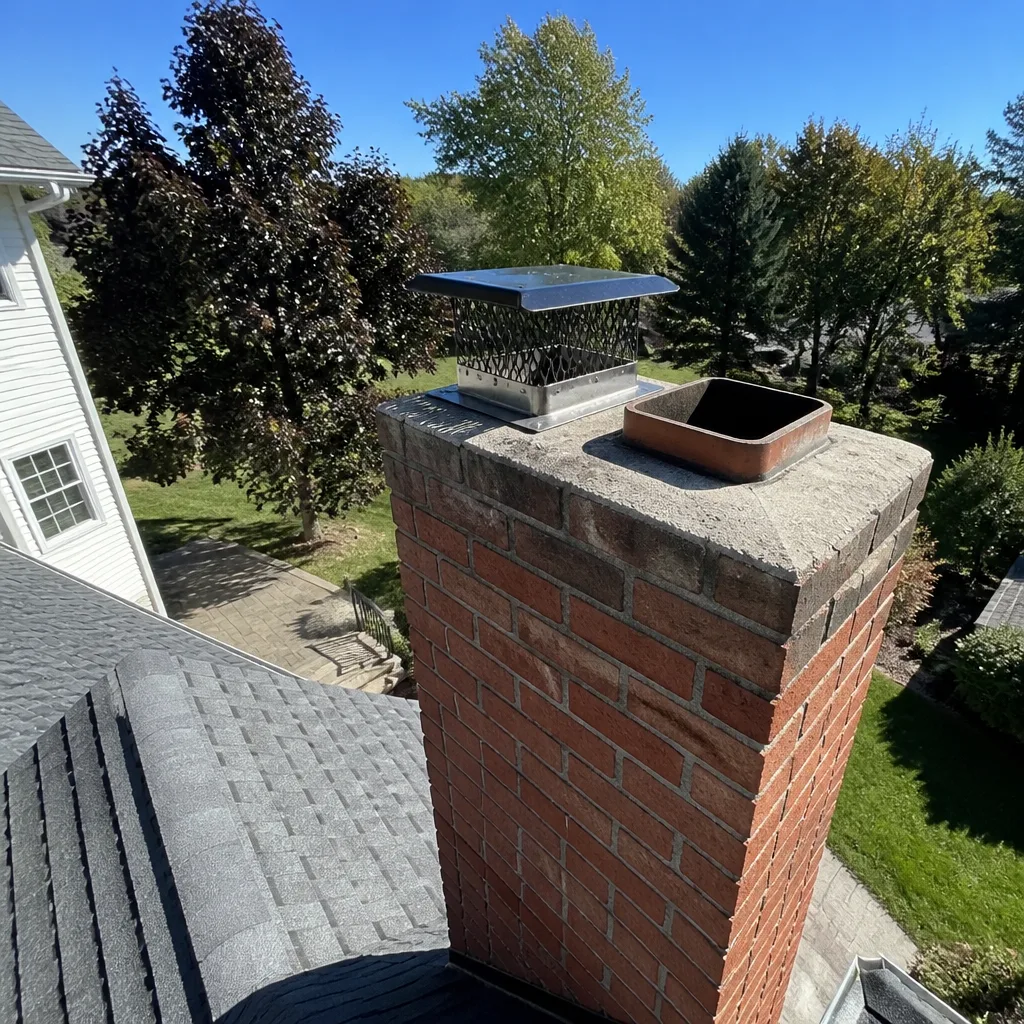 Sweep & inspection
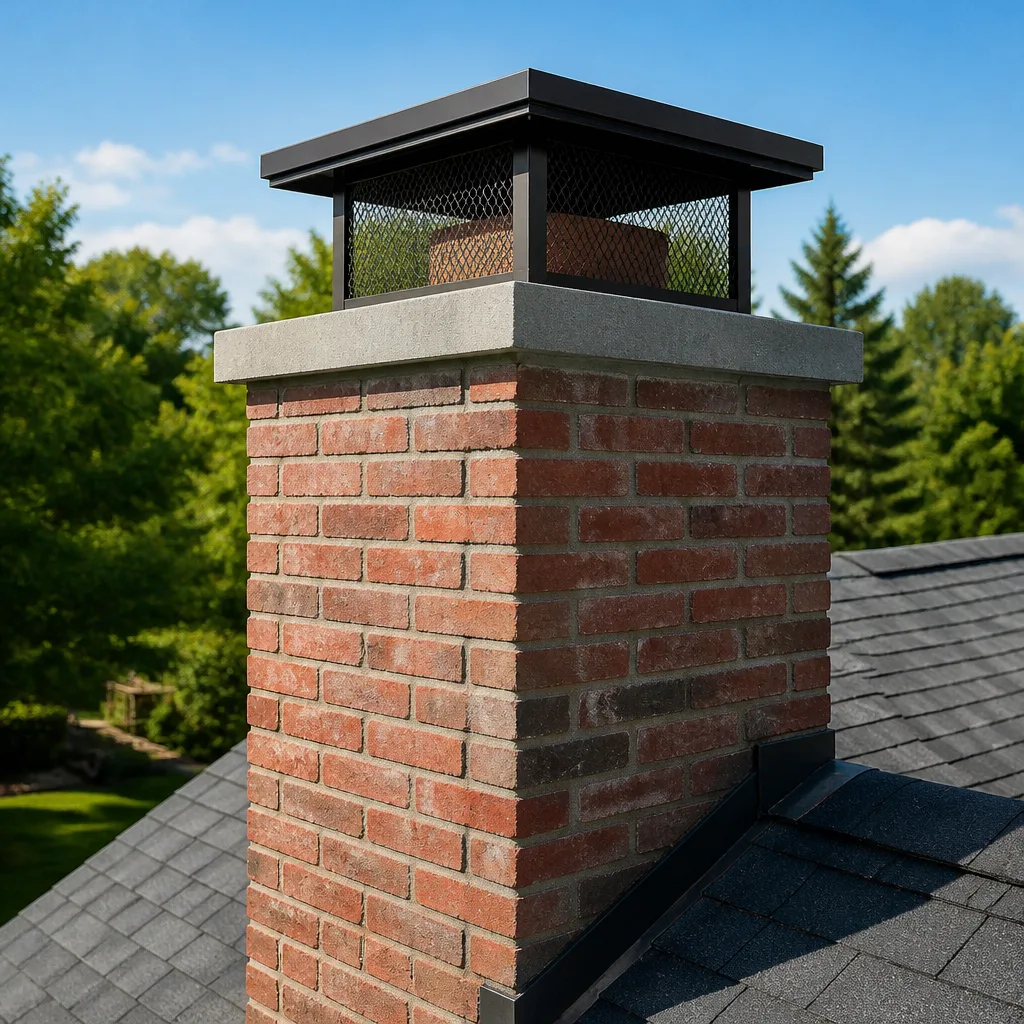 Caps & crowns
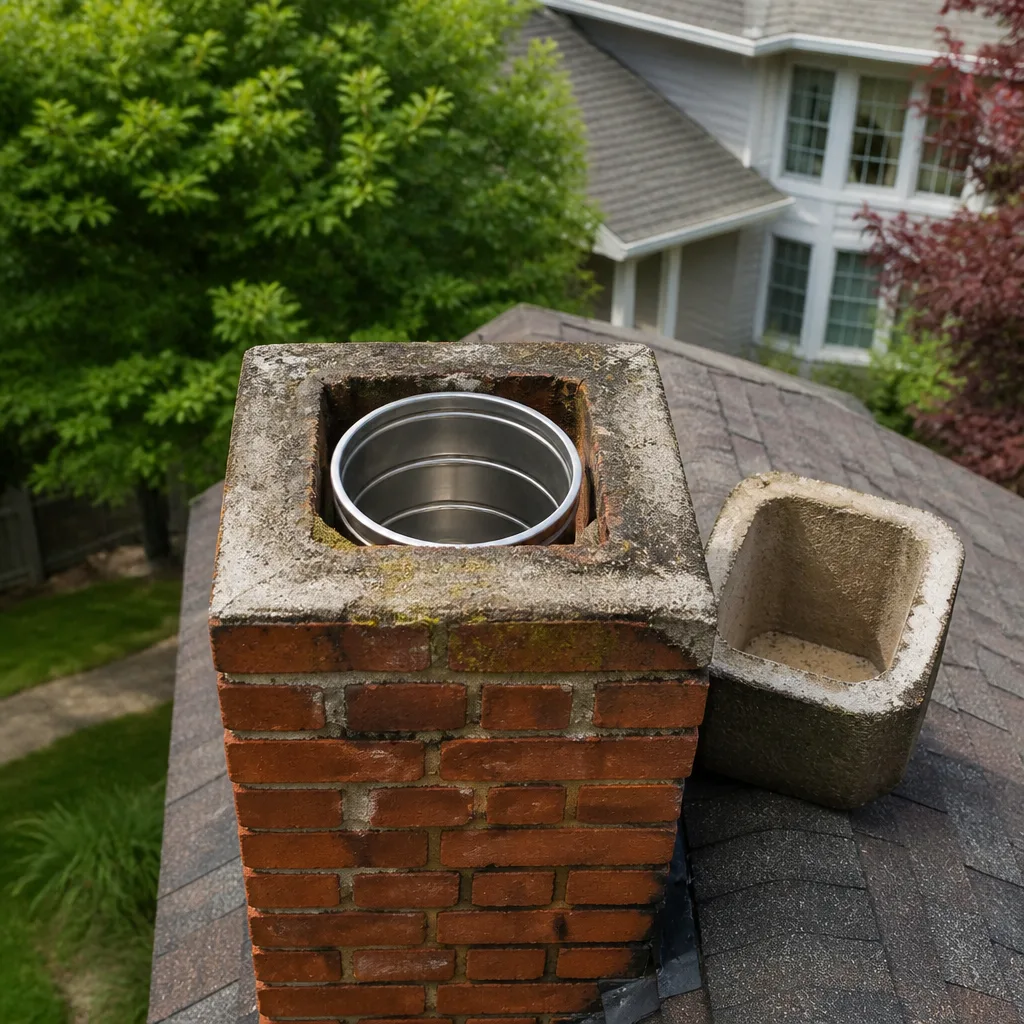 Flue relining
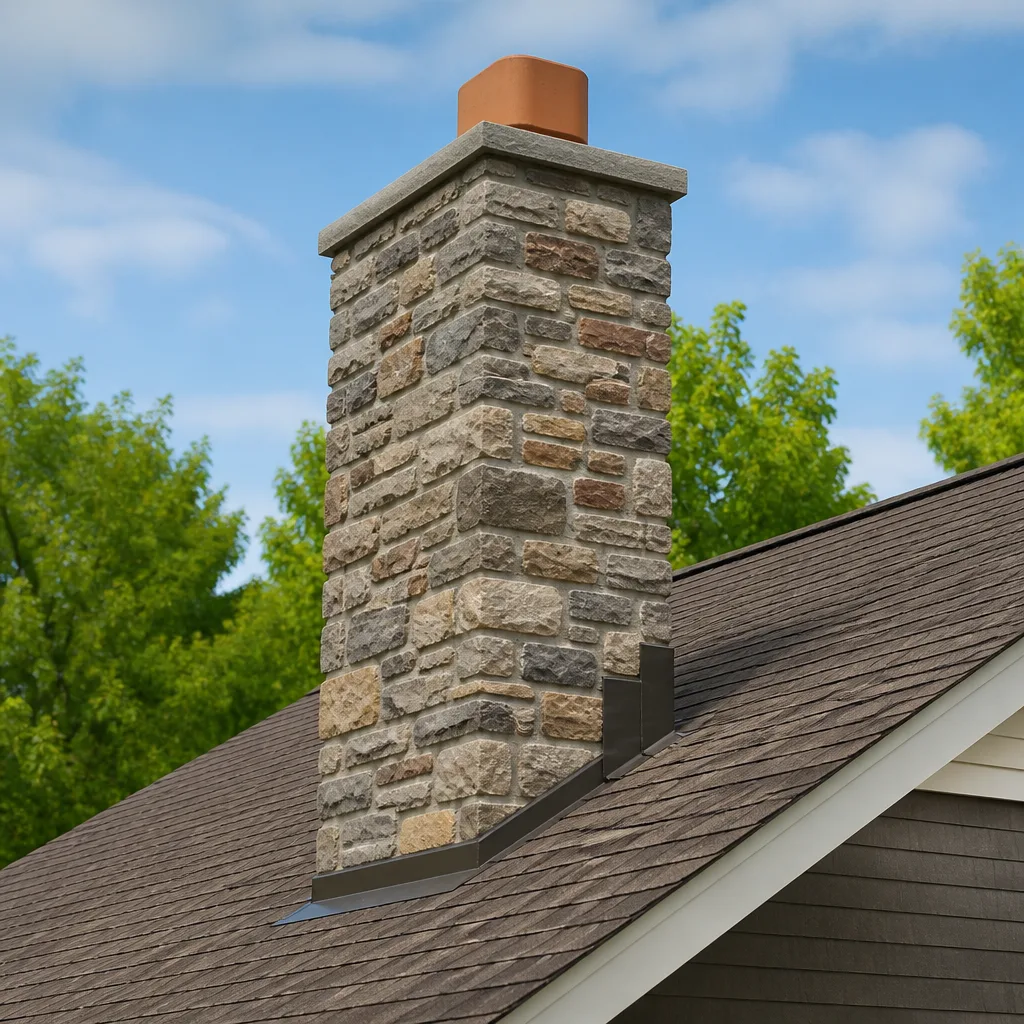 Masonry repair
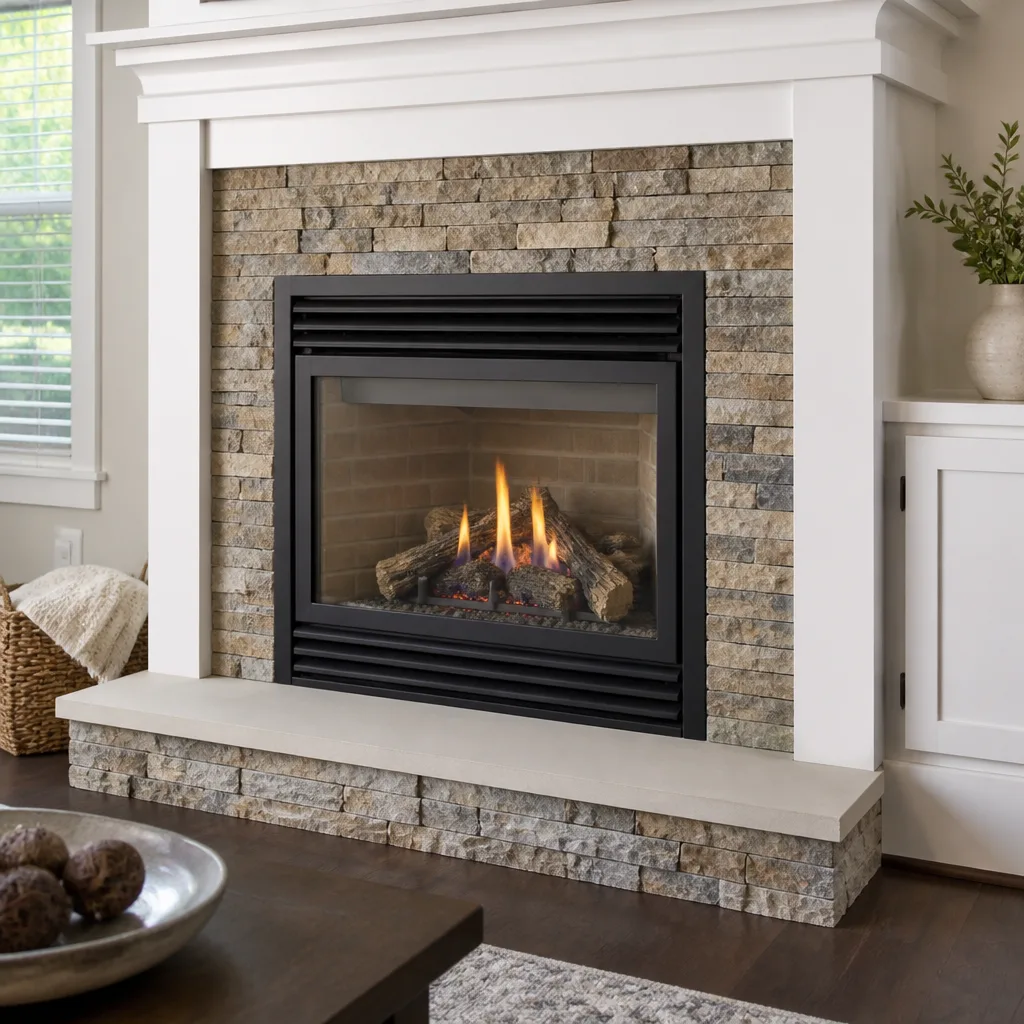 Gas fireplace service
Level 1 sweep and inspection to the NFPA 211 annual standard - flue, crown, cap, and flashing checked and photographed
Chimney sweep logs do not sweep chimneys. They loosen some creosote - which then falls where a brush and vacuum still have to collect it.
Chimney Sweep Troubleshooting in Far Rockaway: Common Problems and How to Fix Them
The smoke that backed up into your living room last Tuesday wasn’t a fluke. It was your chimney telling you something specific, and that something usually decides whether the fix is a straightforward cleaning or a repair that touches the flue itself. Most homeowners assume every chimney problem means a sweep, so they either wait too long or call for the wrong service. In Far Rockaway, the mix of older masonry chimneys and years of deferred maintenance means the same symptom can point to three very different causes. This guide teaches you to read your chimney before you call anyone. You’ll learn to tell a draft problem from a blockage from a structural failure, what you can safely check yourself, and when a pro needs to step in.
Quick Answer
Most chimney problems in Far Rockaway come down to three root causes: creosote and debris buildup that restricts airflow, a draft or pressure problem that pushes smoke back into the room, and structural wear in the flue liner or crown. A homeowner who can name the symptom accurately gets a faster diagnosis and a more accurate estimate. If smoke backs up, you smell a strong creosote odor, or you see cracked or flaking tile inside the firebox, book an inspection before your next fire.
Styles & brands we work with
- Sweep & inspection
- Caps & crowns
- Flue relining
- Masonry repair
- Gas fireplace service
Table of Contents
- The Three Root Causes Behind Almost Every Chimney Problem
- How to Tell a Draft Problem From a Blockage From a Structural Problem
- Why Far Rockaway Chimneys Wear Faster Than Inland Ones
- What You Can Check From the Firebox Before You Call
- When a DIY Cleaning Rod Kit Helps and When It Makes Things Worse
- The Symptom-to-Fix Decision Tree
- Timing Your Sweep and Inspection Around Far Rockaway Seasons
- Common Mistakes to Avoid
The Three Root Causes Behind Almost Every Chimney Problem
When a chimney misbehaves, the cause almost always falls into one of three buckets: airflow, obstruction, or structure. Sorting your symptom into the right bucket is the single most useful thing you can do before you pick up the phone. It tells the technician what to bring and it tells you what kind of job you’re likely facing.
Airflow problems are about pressure and draft. The chimney needs a steady column of warm air rising through the flue to pull smoke up and out. When the house is tight, when a bath fan or dryer is running, or when the flue is the wrong size for the firebox opening, that column gets disrupted and smoke spills into the room. These problems often show up on windy days or when the fire is just starting.
Obstruction problems are physical. Creosote has built up to the point where the flue is narrowed. Leaves, twigs, or a bird nest have dropped in. A damaged damper is stuck partway. The fire struggles because the smoke has nowhere to go, and you may see soot falling back or smell a heavy, sour draft even when there’s no fire.
Structural problems are about the materials themselves. Clay flue tiles crack. Mortar joints between tiles erode. The crown on top of the chimney cracks and lets water in. A liner that has lost its integrity lets heat and gases escape into the surrounding masonry, which is a serious safety concern and not something to defer.
Each bucket has a different fix and a different price band. A sweep handles obstruction. A repair handles structure. Airflow sometimes needs a cap change, sometimes a liner adjustment, and occasionally just a conversation about how you start your fires. Sorting your symptom correctly is how you avoid paying for the wrong service in Far Rockaway.
How to Tell a Draft Problem From a Blockage From a Structural Problem
This is the distinction most homeowners get wrong, and it’s the one that matters most. A draft problem and a blockage problem can both produce smoke in the room, but they call for completely different work. Here’s how to separate them.
Draft problems
A draft problem is present when the fire burns but smoke rolls out the top of the firebox, especially at startup or on windy days. The fire may burn lazily and the glass may soot up. Crucially, the chimney is not necessarily dirty. You might have a perfectly clean flue and still get smoke because the pressure balance in the house is wrong or the flue is undersized for the opening. Signs that point to draft:
- Smoke spills only when the fire is first lit, then settles
- The problem is worse on windy days or when another exhaust fan runs
- The chimney was recently swept and the problem persists
- The firebox opening is large relative to the flue size
Blockage problems
A blockage is physical material in the flue or at the top. The fire may not want to catch at all, or it burns with smoke pushing back continuously. You may smell a strong creosote odor in the room even without a fire, or hear debris shift. Signs that point to blockage:
- Smoke pushes back steadily, not just at startup
- A sour, heavy smell lingers even when the fireplace is cold
- You can see buildup, debris, or a nest when you look up the flue with a light
- The problem started suddenly after a storm or a season of heavy burning
Structural problems
Structure is about the condition of the flue liner, the mortar, and the crown. These problems don’t always show up as smoke in the room, which is what makes them dangerous. You may get a normal draft and a clean fire, and still have a cracked flue tile letting gases into the wall cavity. Signs that point to structure:
- Cracked, flaking, or spalling clay tiles visible from the firebox
- White chalky staining (efflorescence) on the exterior masonry
- A rusted or stiff damper that no longer seals
- Visible cracks in the crown at the top of the chimney
If you can honestly place your symptom in one of these three groups, you’ve already done most of the diagnostic work. A proper Chimney Sweep Far Rockaway visit starts with that same sorting, and it’s faster when you can describe what you’re seeing.
Why Far Rockaway Chimneys Wear Faster Than Inland Ones
Far Rockaway sits at the edge of the Rockaway peninsula, and the air here carries more moisture and salt than you’ll find twenty miles inland. That matters for masonry. Mortar is porous, and it absorbs moisture from the air and from rain, then releases it slowly. When the moisture carries dissolved salts, the salts crystallize inside the mortar and push outward as they expand. That process, called spalling, is why so many Far Rockaway chimneys show crumbling mortar joints and flaking brick faces at an age when an inland chimney still looks sound.
The flue liner suffers the same way. Clay tiles absorb moisture, and repeated wet-and-dry cycles open hairline cracks that widen over time. Once a tile cracks, gases and heat can escape into the masonry around it. That’s the point where a cosmetic problem becomes a safety problem.
The crown, the sloped concrete cap at the top of the chimney, takes the most direct hit. It’s exposed to rain, freeze-thaw cycles, and wind-driven moisture. A hairline crack in the crown looks minor but lets water into the flue structure below, and that water does the rest. In far Rockaway homes near the water, we see crowns break down faster than the brick beneath them.
What this means practically: if you own a masonry chimney in Far Rockaway, don’t judge its condition by age alone. Judge it by what you can see. A chimney that’s only a couple of decades old can already have spalling mortar and a cracked crown if it’s been exposed to the weather and never maintained. That’s why the inspection matters more here than in drier places.
What You Can Check From the Firebox Before You Call
You can do a useful pre-call inspection without climbing anything or opening any panels. Everything below is visible from the firebox with a flashlight, and each check maps to a specific kind of problem. Take five minutes before you call and note what you see.
Check 1: The flue tiles
Shine a light up the flue from the firebox. You’re looking for cracked, chipped, or flaking tile surfaces. A little surface soot is normal. Broken or missing pieces of tile are not. If you can see gaps between tiles or a tile that has shifted out of line, that’s a structural problem and needs a professional look.
Check 2: The damper
Open and close the damper several times. It should move smoothly and seal reasonably well when closed. A damper that’s rusted, stuck partway, or won’t close fully is a common cause of both heat loss and smoke problems. Rust on the damper is also a clue that moisture is getting into the chimney.
Check 3: Efflorescence on the masonry
Look at the brick and mortar around the firebox and, if you can see it, on the exterior of the chimney. White, chalky staining is efflorescence, and it means moisture is moving through the masonry and depositing salts on the surface. It’s not dangerous by itself, but it’s a sign that water is getting in somewhere, often through a cracked crown.
Check 4: The smoke shelf and smoke chamber
Just above the damper is the smoke shelf, a ledge that helps redirect downdrafts. If it’s coated in heavy creosote or has debris sitting on it, that’s a sign the chimney hasn’t been cleaned in a while and may be contributing to draft problems. Don’t try to reach in and clean it yourself; note it and mention it when you call.
Check 5: The firebox walls
Look for cracks in the firebrick or missing mortar between bricks. Small hairline cracks in the firebox are common and often repairable. Large cracks or loose bricks are a sign the firebox needs attention before you burn again.
If any of these checks turn up something, write it down. A technician who knows what you saw can bring the right tools and give you a more accurate picture of what the job involves. That’s the difference between a diagnostic-first visit and a guess.
When a DIY Cleaning Rod Kit Helps and When It Makes Things Worse
We get asked about DIY chimney cleaning rods a lot, and the honest answer is that they help in one narrow situation and hurt in several others. Knowing which is which saves you money and, in some cases, your chimney.
When a DIY rod kit is reasonable
A rod kit with a brush is reasonable when you have a straightforward masonry chimney, a firebox you can reach, a flue in good condition, and light soot rather than heavy creosote. If you’ve burned clean, dry wood and the chimney was swept recently, a light annual brushing is within the range of a careful homeowner. You’ll still want a professional inspection periodically, because a brush can’t see cracks.
When it makes things worse
A DIY kit becomes a bad idea in several specific cases:
- Heavy, glazed creosote. A brush won’t remove it. It can polish the surface and make it harder to remove later. Glazed creosote is a serious fire hazard and needs proper chemical or mechanical removal by a technician.
- A damaged flue liner. Running a stiff brush down a flue with cracked or loose tiles can knock pieces free and cause a blockage. If you don’t know the liner’s condition, don’t brush it.
- A prefabricated metal chimney. These have specific liner systems that a generic brush can damage. If you’re not sure what you have, have it identified first.
- A blocked flue. If a nest or debris is stuck, pushing a brush down from the top can pack it tighter. The blockage needs to be removed properly, not shoved.
- Any chimney with structural concerns. If you saw spalling, efflorescence, or cracked tiles in your firebox checks, don’t put a brush in it until a professional takes a look.
Here’s the practical rule: a DIY brush is for light maintenance on a healthy chimney. It’s not a diagnostic tool and it’s not a repair. If you’re cleaning because something already feels wrong, that’s a sign to have it looked at, not a sign to reach for the rods. Call (866) 937-8492 if you’re unsure which situation you’re in. We answer 24/7.
The Symptom-to-Fix Decision Tree
This is the section to bookmark. Read your symptom, find the likely cause, and see whether the fix is a sweep, a repair, or a replacement. We’ve built this from what we actually see in Far Rockaway homes, sorted by how often each symptom points to each cause.
Symptom: Smoke rolls into the room when the fire starts
- Likely cause: Draft problem. The flue is cold or the pressure balance is off.
- Fix: Often a sweep plus a conversation about how you start fires. Sometimes a cap change or a flue adjustment. Rarely structural.
Symptom: Smoke pushes back continuously, even with a hot fire
- Likely cause: Blockage. Creosote, debris, or a damaged damper.
- Fix: Sweep job. If the blockage is a collapsed liner tile, it becomes a repair.
Symptom: Strong creosote smell in the room with no fire burning
- Likely cause: Blockage or heavy creosote buildup, often combined with negative pressure in the house.
- Fix: Sweep and inspection. If the smell returns quickly, it may point to a liner issue.
Symptom: Cracked or spalling tiles visible in the flue
- Likely cause: Structural. The clay liner has deteriorated.
- Fix: Repair, not a sweep. Depending on severity, this is a relining job or a liner resurfacing like HeatShield, which restores a deteriorated flue liner without a full reline. A camera inspection tells you which.
Symptom: White staining on the exterior masonry
- Likely cause: Water intrusion, often through a cracked crown.
- Fix: Chimney repair, focusing on the crown and any mortar joints that have opened up. Left alone, water intrusion leads to a liner job.
Symptom: Rusted or stuck damper
- Likely cause: Moisture and lack of use. Not usually structural on its own.
- Fix: Fireplace repair. The damper assembly can often be repaired or replaced without touching the flue.
Symptom: A persistent draft even after a sweep
- Likely cause: Flue sizing or pressure balance. Possibly an oversized firebox opening.
- Fix: Diagnosis first. A cap change, a flue adapter, or a liner adjustment may be the answer. Compare with a proper chimney sweep visit to rule out obstruction before assuming the worst.
Notice how many symptoms land on “sweep” and how many land on “repair.” The two aren’t interchangeable. A sweep is maintenance; a repair is fixing something that’s broken. Getting that distinction right is what saves you from paying for work you don’t need, or skipping work you do.
Timing Your Sweep and Inspection Around Far Rockaway Seasons
Chimney work in Far Rockaway has a natural rhythm. The busy season starts when the first cool evenings arrive and people start thinking about lighting a fire. The smart time to book is before that, when the calendar has room and you’re not competing with everyone else who waited.
Fall is the classic window. You want your sweep and inspection done before the first serious burn of the season, so you go into winter knowing the flue is clear and the liner is sound. An inspection in early fall gives you time to schedule any repair before the cold settles in. If you wait until the first cold snap, you may find the repair needs to wait until the weather allows, and that’s a much less comfortable position.
Winter is for burning and for spotting problems you didn’t know about. If smoke starts misbehaving mid-season, don’t wait until spring. A mid-season call is worth making because a small problem caught early is a cheaper problem. If you’re burning regularly through winter, a mid-season check on the firebox and a watch for new odors is reasonable.
Spring is for repair. Once burning season ends, the weather allows masonry work, crown repair, and relining to move forward. This is the ideal window for the structural fixes that you’d rather not do in the middle of heating season. A chimney repair scheduled in spring has room to be done right rather than rushed.
Summer is for the full picture. With no fire in the box, it’s the easiest time for a thorough inspection, a camera look at the flue, and any cap or crown work. It’s also when you can take your time comparing estimates. For most Far Rockaway homeowners, the best pattern is a fall sweep and inspection, spring repair if anything turns up, and a quick firebox check before every season. That pattern keeps the expensive surprises to a minimum.
Common Mistakes to Avoid
- Assuming every problem is a dirty chimney. A sweep only fixes obstruction. If your symptom is a draft or structural issue, sweeping it won’t help and may delay the real fix. Sort your symptom first.
- Skipping the inspection because the sweep “looked fine.” A brush cleans; it doesn’t evaluate. The liner, crown, and mortar condition need an inspection, and that’s a distinct step. In Far Rockaway’s damp air, wear happens faster than you’d expect, so the inspection matters more, not less.
- Putting off a cracked crown. A cracked crown lets water into the flue structure, and water is what turns a small repair into a liner job. It’s one of the most common causes of premature chimney failure here, and it’s also one of the cheapest to address early.
- Using a DIY brush on a damaged or prefab flue. A brush can knock loose tiles free or damage a metal liner. If you don’t know the flue’s condition, don’t brush it. Have it identified first.
- Ignoring the smell. A persistent creosote odor with no fire burning is a real signal, not just an annoyance. It usually points to buildup or a pressure problem, and both are worth diagnosing.
- Burning wet or unseasoned wood. Wet wood creates more creosote and more moisture in the flue, which accelerates the wear that Far Rockaway chimneys already see from the weather. Seasoned wood burns cleaner and keeps the flue in better shape.
- Waiting for the first cold night to call. The fall calendar fills up. Booking your sweep and inspection before the season starts means any repair can be scheduled and completed before you need the fireplace.
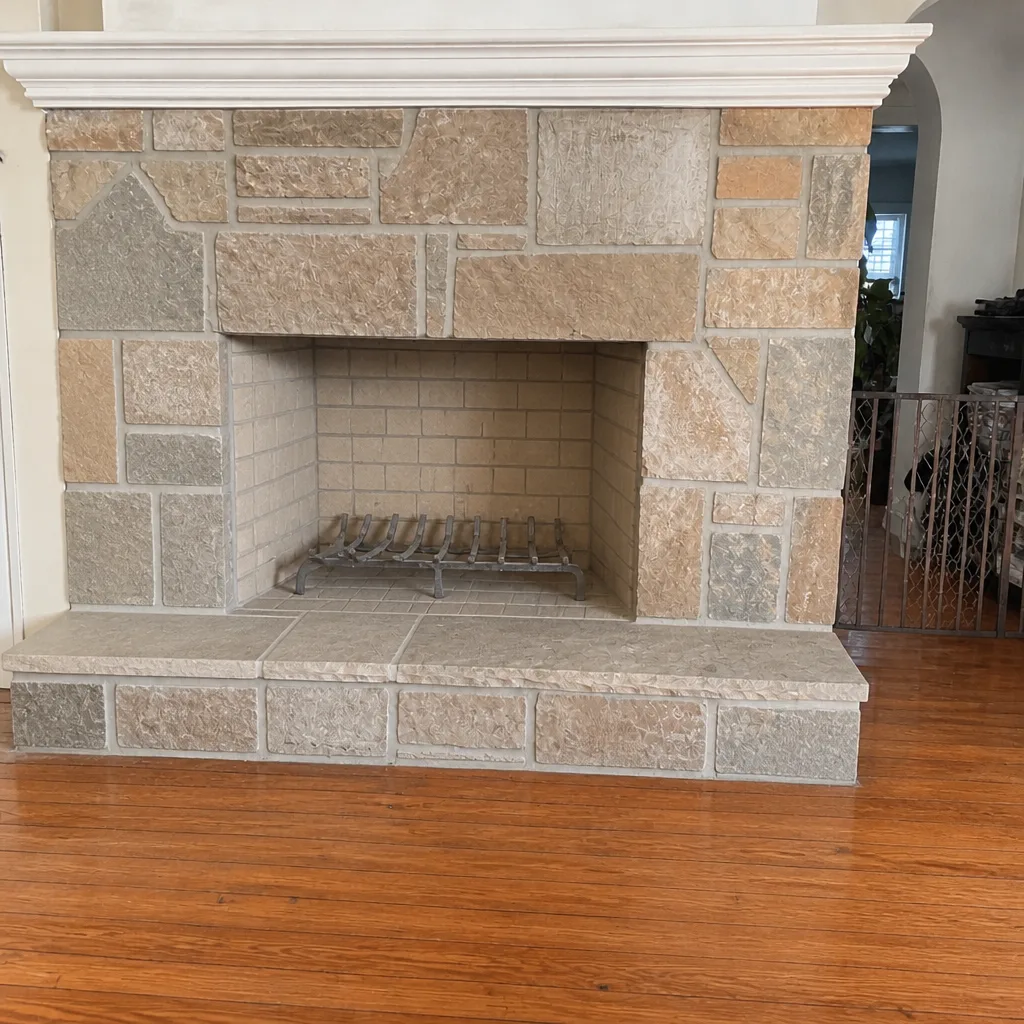
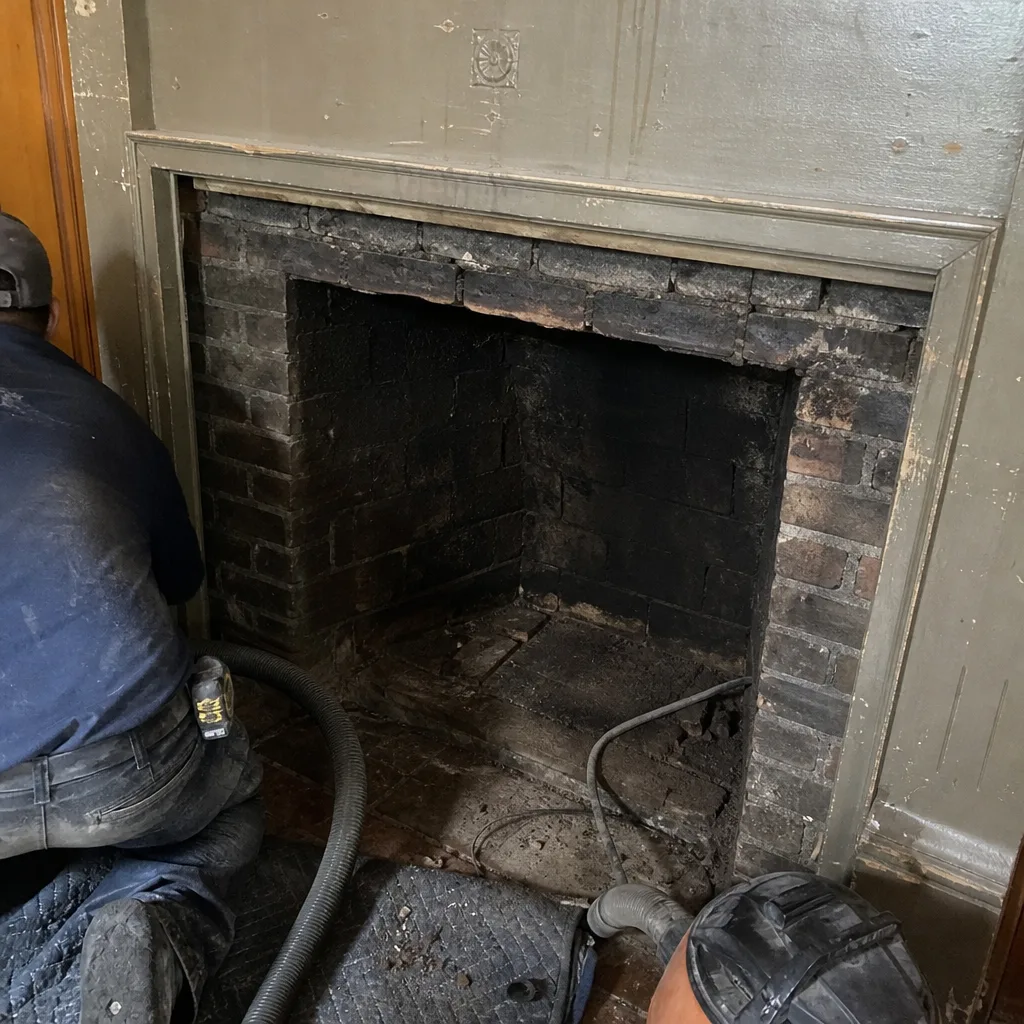
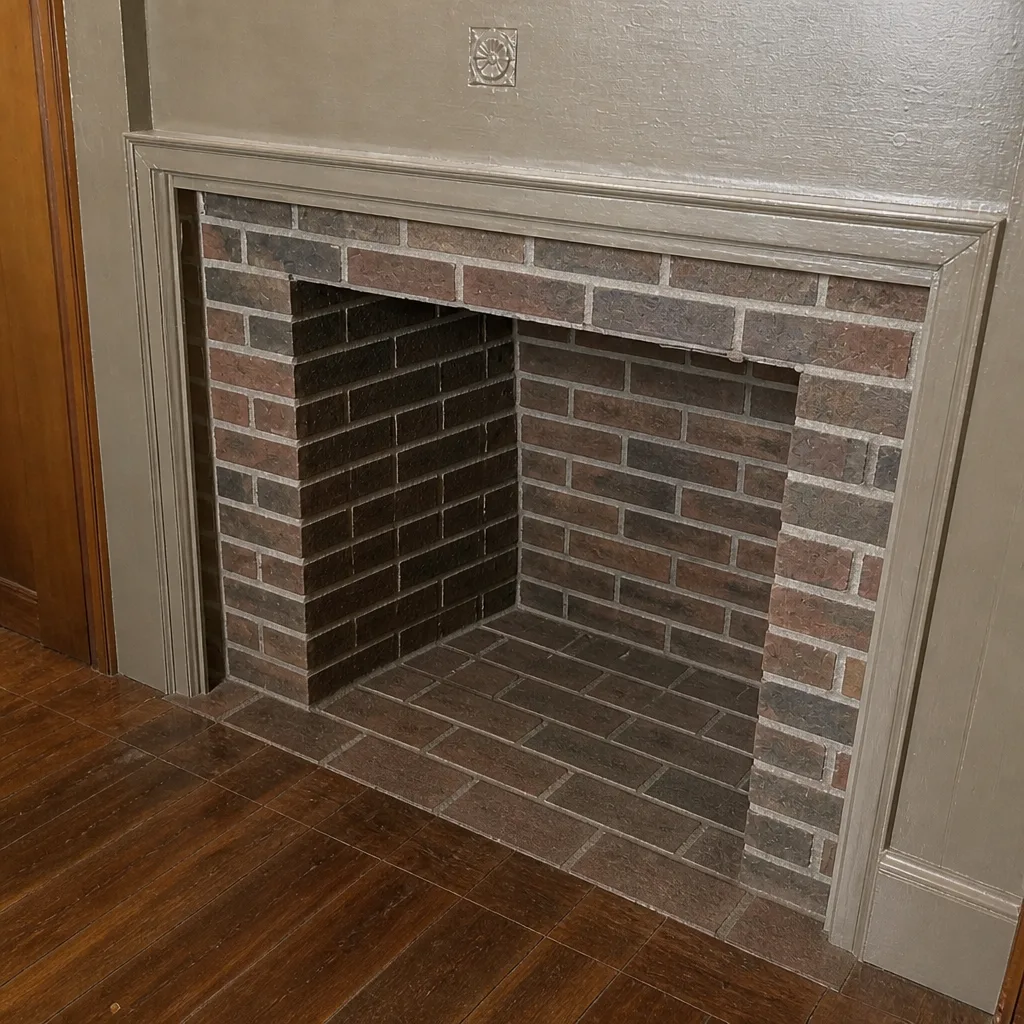
See the difference
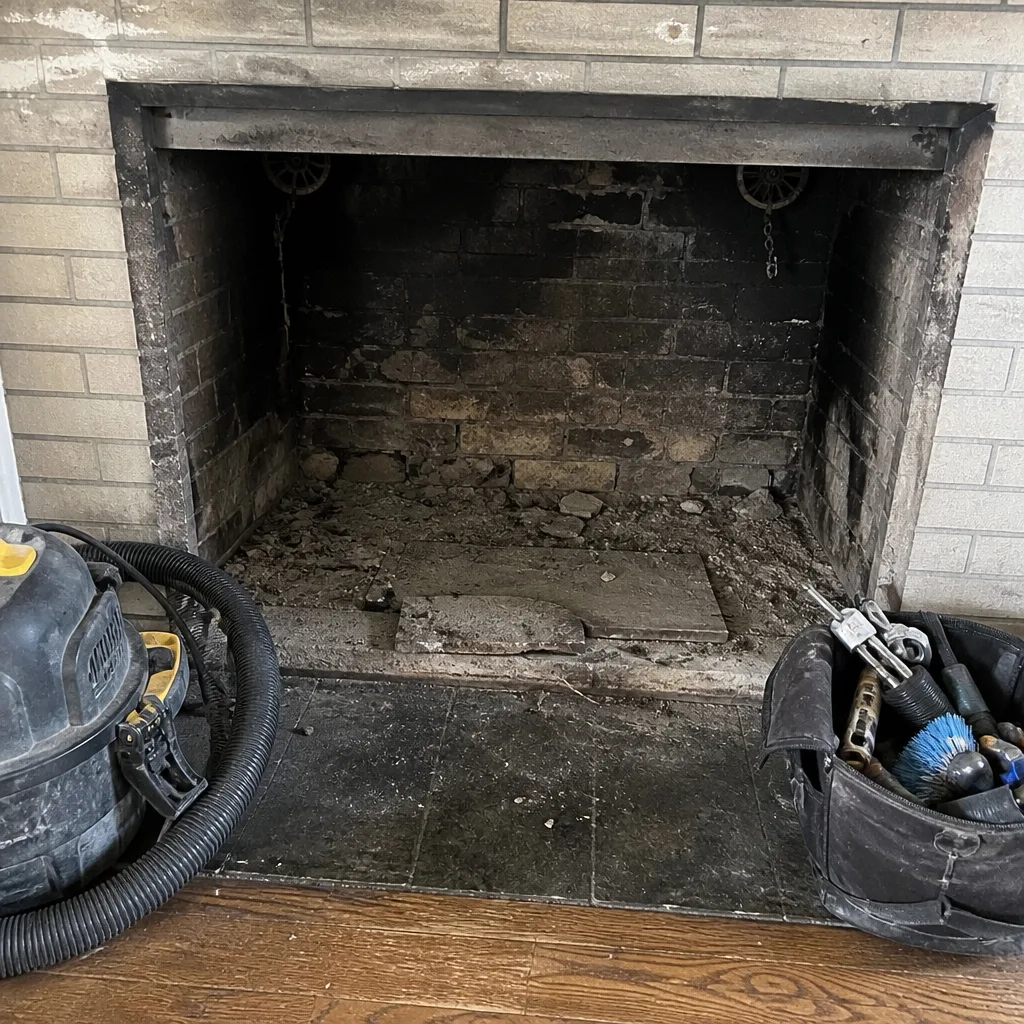 Before
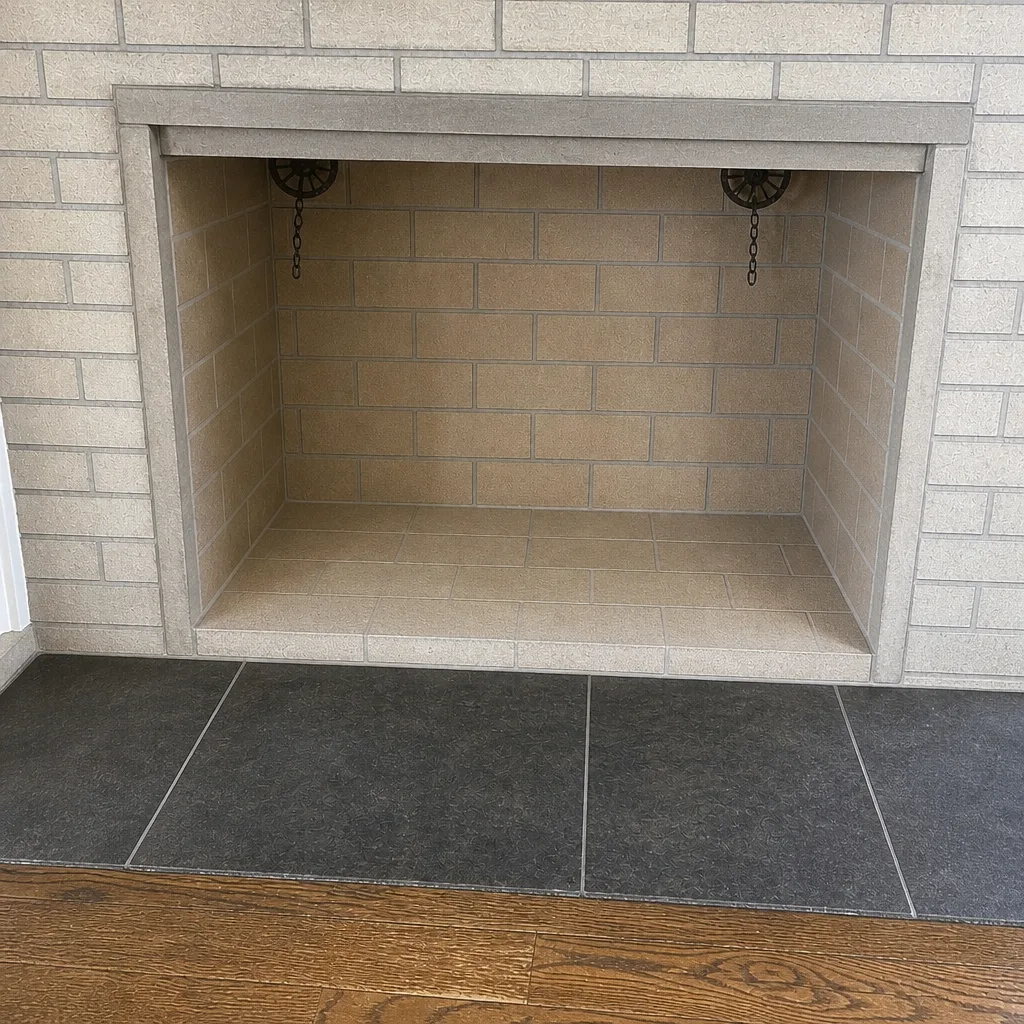 After
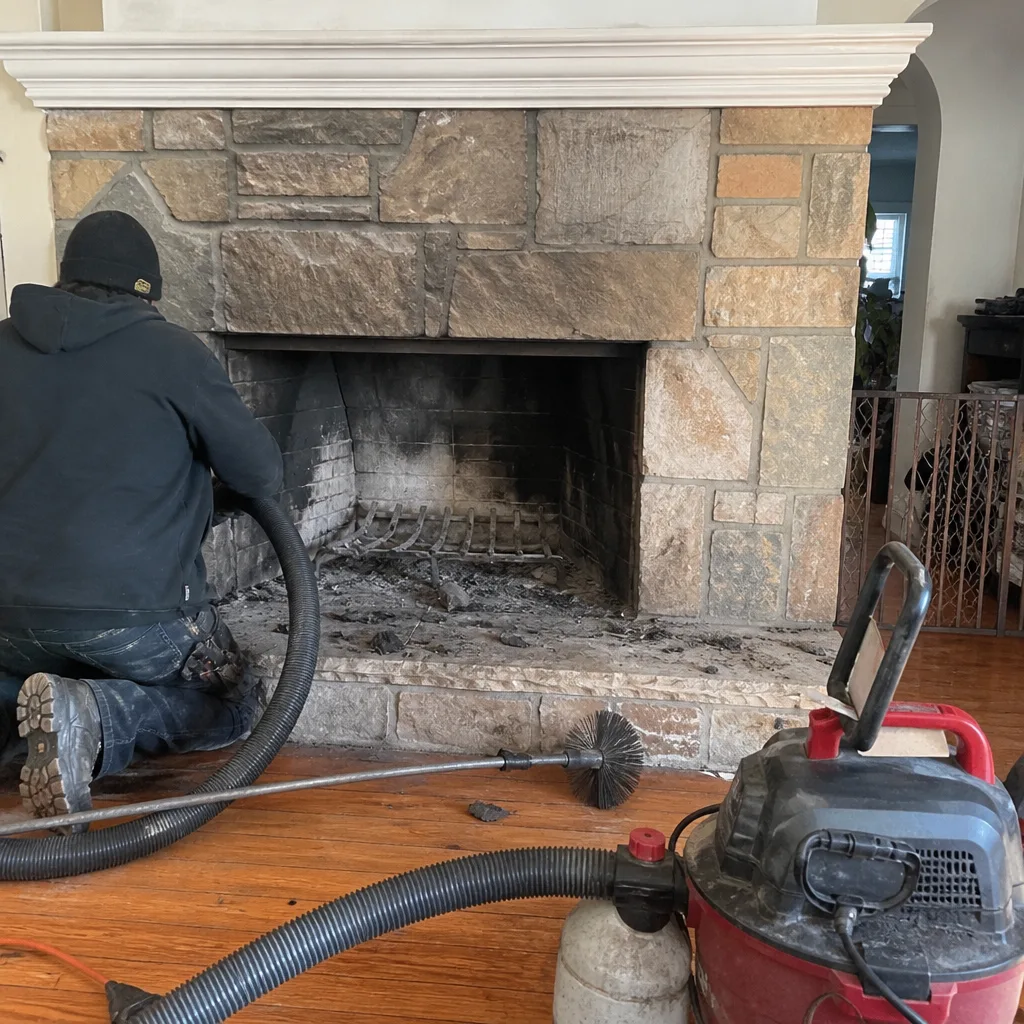 Before
 After
 Before
 After
When to Call a Professional
Some things are fine to check yourself and some clearly aren’t. Call a professional when you see cracked or spalling tiles in the flue, when smoke pushes back continuously and a sweep doesn’t fix it, when there’s a persistent creosote smell with no fire, or when the crown or exterior masonry shows cracks and white staining. Call when you smell gas or a heavy, sweet odor that doesn’t smell like normal creosote. You should also call if you’re not sure what you’re looking at, because a wrong guess on a liner issue is a safety problem, not a cosmetic one. High-tension and structural work on a chimney deserves trained hands. We’ll be honest about what can wait. Chimney Sweep Far Rockaway offers free estimates in Far Rockaway – call (866) 937-8492. We answer 24/7. Fast dispatch from 7am to 7pm, Sunday through Friday.
Frequently Asked Questions
The standard guideline is once a year for a chimney you use regularly, and more often if you burn heavily or burn wood that isn’t fully seasoned. In Far Rockaway, the damp air accelerates wear, so an annual sweep plus an inspection is a sensible baseline. If you notice smoke or odor between sweeps, don’t wait for the calendar. Call (866) 937-8492 for an exact quote – estimates are free.
Pricing is set per job by a written estimate after we see the chimney, because a simple sweep and a sweep plus a repair are different jobs. The written estimate is the number that matters, and the estimate itself is free. We agree the flat price before we book. Call (866) 937-8492 for an exact quote – estimates are free.
A draft problem is about airflow and pressure, and it often shows up as smoke rolling out at startup or on windy days even when the flue is clean. A blockage is physical material in the flue, like creosote, debris, or a nest, and it usually produces continuous smoke push-back and a strong odor. The two call for different fixes, which is why sorting your symptom first saves time. Call (866) 937-8492 if you can’t tell which one you have.
Not always, and that’s why we inspect before we recommend anything. A deteriorated clay flue can sometimes be restored with HeatShield, a ceramic resurfacing system that rebuilds the liner surface without a full reline. When the damage is more extensive, a full relining with a system like DuraFlex may be the right answer. Nothing gets recommended without camera evidence you can see for yourself. Call (866) 937-8492 and we’ll walk you through what an inspection would check.
Skipping a sweep and inspection lets creosote build and lets small structural problems turn into bigger ones. A cracked crown lets water in, water damages the liner, and a liner replacement is a much bigger job than crown repair. The risk isn’t only cost; a chimney fire and carbon monoxide are real hazards that come from neglected flues. If you’ve skipped a few seasons, book an inspection before your next fire. Call (866) 937-8492.
We work on fireplaces as well as chimneys, so a stuck damper, a cracked firebox, or a damaged firebox assembly is in scope. That matters because a lot of “chimney” problems are really fireplace-side problems, and a full-service provider can address both without sending you to a second contractor. Call (866) 937-8492 for an exact quote – estimates are free.
The Bottom Line
Most chimney trouble in Far Rockaway traces back to airflow, obstruction, or structure, and naming your symptom correctly is what tells you which one you’re facing. Draft problems, blockages, and structural wear each have a different fix and a different price band, and the firebox checks in this guide let you make that call before you pick up the phone. Don’t guess at a liner issue; get it inspected. Don’t put off a cracked crown; it’s one of the cheapest problems to fix early. Know exactly what you have before the season starts, then book the right work and get back to enjoying the fire.
If you want a professional look at your chimney and fireplace, Chimney Sweep Far Rockaway offers free estimates. Call (866) 937-8492. We answer 24/7. Fast dispatch from 7am to 7pm, Sunday through Friday. We work with a focused roster of professional-grade materials, including HeatShield for liner resurfacing, Gelco ventilation products, and Olympia Chimney and Famco caps, so you have a clear picture of your chimney’s condition before any work begins. Our technicians have up to 8 years of experience.
Written by the team at Chimney Sweep Far Rockaway.