
Last updated November 25, 2026
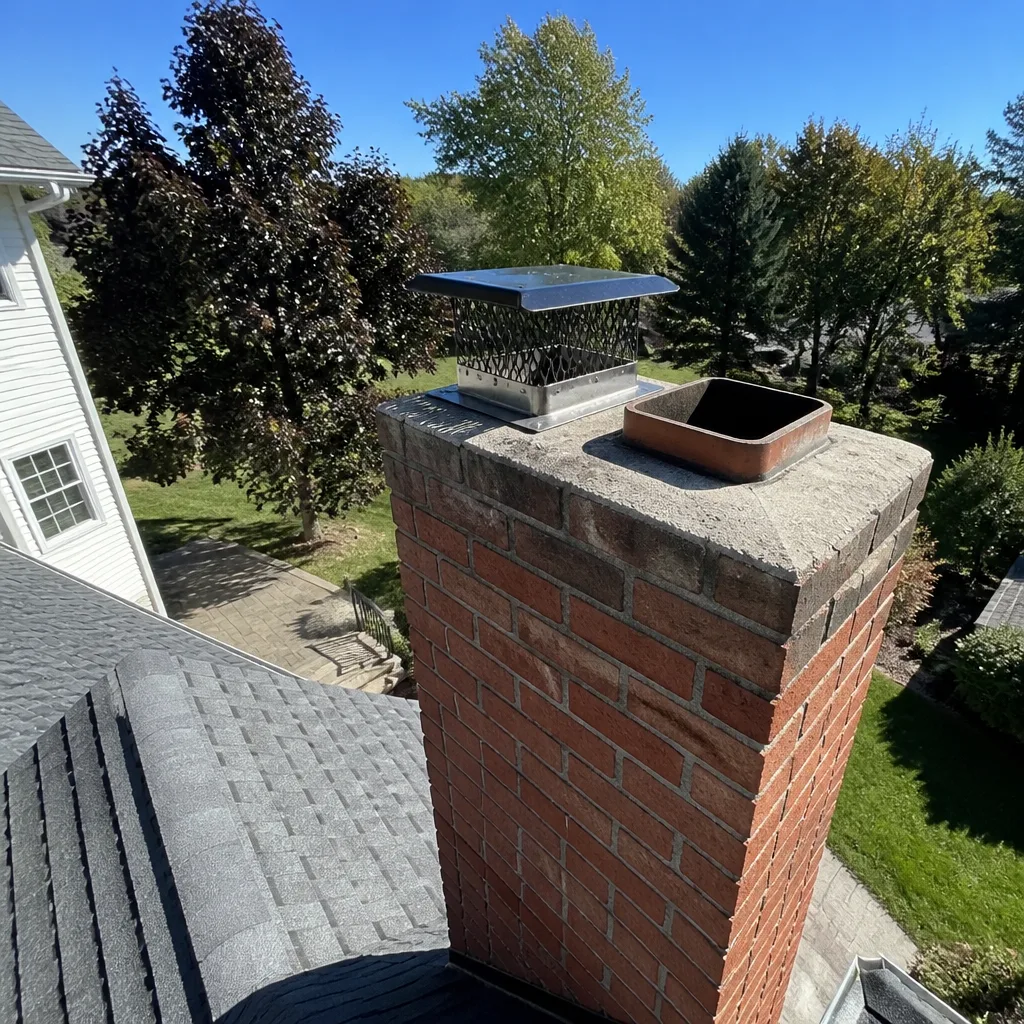 Sweep & inspection
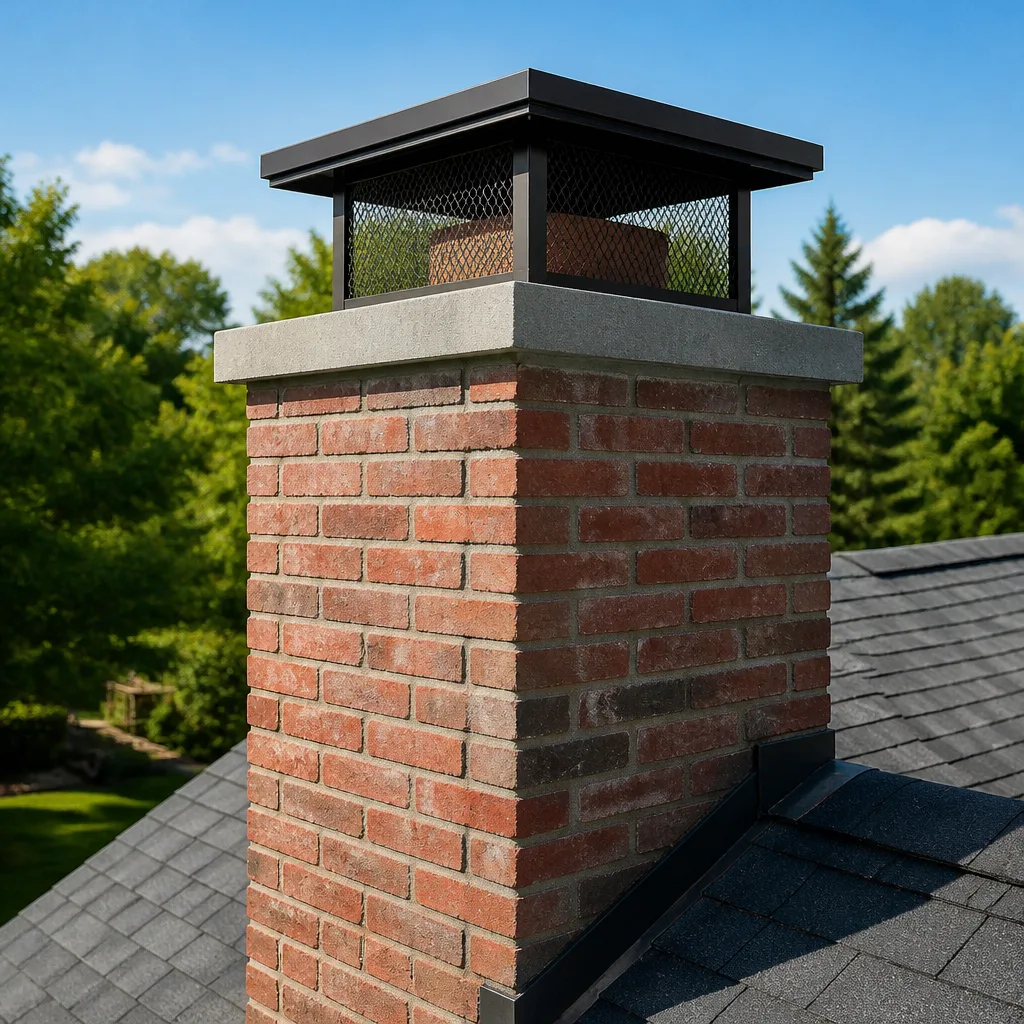 Caps & crowns
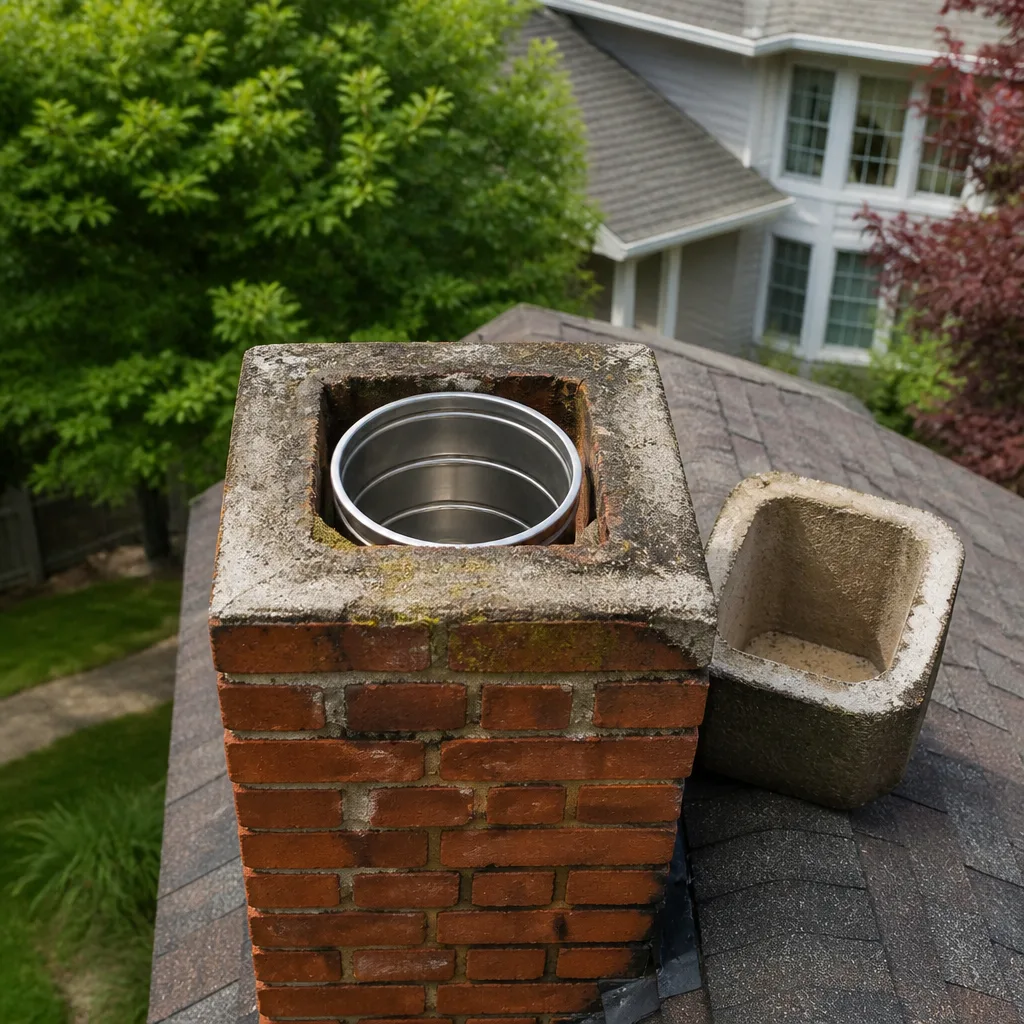 Flue relining
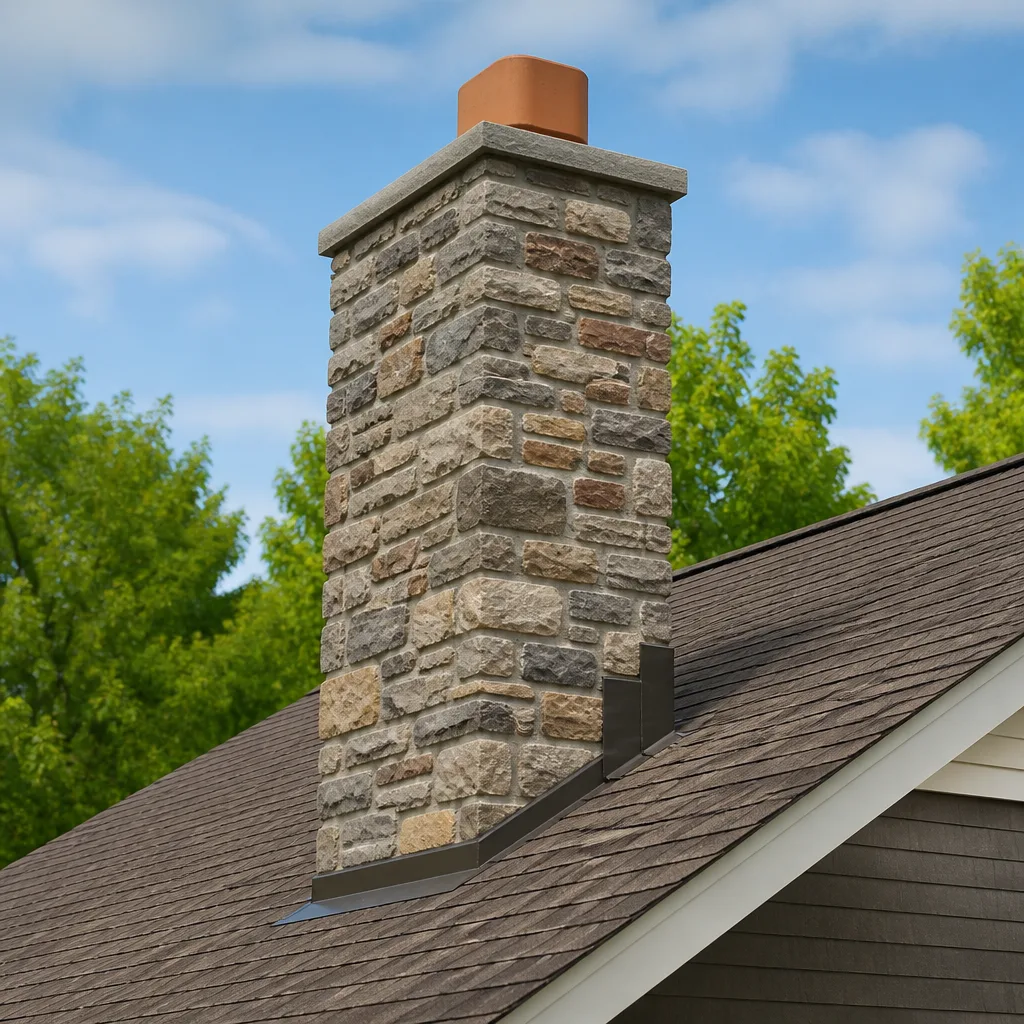 Masonry repair
 Gas fireplace service
Level 1 sweep and inspection to the NFPA 211 annual standard - flue, crown, cap, and flashing checked and photographed
Chimney sweep logs do not sweep chimneys. They loosen some creosote - which then falls where a brush and vacuum still have to collect it.
DIY vs Professional Chimney Cleaning: The Far Rockaway Homeowner’s Decision Guide
You can buy a chimney brush kit for about sixty dollars, run it up the flue from the roof or the firebox, and knock down the visible soot. That part is real. What that brush cannot do is show you the hairline crack running through a flue tile three feet up the stack, the glazed tar bonded to the liner wall, or the mortar joint that’s been quietly failing behind the brick. And in Far Rockaway, where wind-driven rain and rapid freeze-thaw cycles work on masonry all winter, those hidden problems are the ones that decide whether your chimney is clean or dangerous. This guide walks through exactly what you can handle yourself, what genuinely needs a pro, and what the honest cost comparison looks like. By the end you’ll know how to make the call for your own home.
Quick Answer
For most Far Rockaway homeowners who burn regularly, professional chimney cleaning is the safer choice because a proper sweep includes a camera inspection of the flue, and that inspection is the part DIY can’t replicate. You can reasonably remove firebox debris, test the damper, and look at the cap yourself between appointments. But glazed third-stage creosote, cracked flue tiles, and failed mortar joints need the trained eye, the camera, and the documentation a professional provides. In a New York City residential property, that documentation matters if anything ever goes wrong.
Styles & brands we work with
- Sweep & inspection
- Caps & crowns
- Flue relining
- Masonry repair
- Gas fireplace service
Table of Contents
- What You Can Legitimately Do Yourself Between Professional Sweeps
- What DIY Cleaning Cannot See: The Diagnosis Problem
- Creosote Stages and Why Glazed Tar Needs a Professional
- The Tools a Real Inspection Requires (Not Sold at Hardware Stores)
- Why Far Rockaway Conditions Make Diagnosis Harder
- Liability and Insurance: What Self-Performed Work Costs You Later
- The Honest Cost Comparison: DIY Kit vs Professional Sweep With Documentation
- What the Documentation Is Actually Worth
What You Can Legitimately Do Yourself Between Professional Sweeps
There’s a real category of chimney maintenance a careful homeowner can do without a brush, a ladder, or any risk. It’s the up-close work at the firebox and the visual work at the roofline. Done regularly, it keeps small problems from becoming expensive ones and gives you a better sense of when to call for a sweep.
The tasks that make sense for a homeowner:
- Clear the firebox between fires. Ash, leftover wood, and debris pile up and restrict airflow. A metal scoop and a bucket handle this safely. Wait until the firebox is fully cold before you touch anything inside.
- Test the damper by hand. Open and close it a few times before the season. It should move smoothly and seal flat when closed. A damper that sticks, won’t close fully, or rattles needs professional attention.
- Look at the cap from the ground with binoculars. You’re checking for a missing cap, a bent or rusted top, or obvious debris. If you see birds, squirrels, or leaves packed into the flue, that’s a call, not a project.
- Check the firebox walls for loose brick or crumbling mortar. Hairline cracks in firebrick are common and worth noting for your next appointment. Chunks of mortar falling out are not a between-sweeps problem.
- Keep a log. A simple note of when you last had the chimney swept, what was found, and what was recommended gives you a record. It helps you and any future professional.
That’s the safe, useful list. Notice what’s not on it: climbing the roof to sweep, reaching into the flue with any tool, or opening up the top of the cap to “check things out.” Those cross into territory where a fall or a mistake is far more likely. The safe DIY work is what happens at eye level and arm’s length.
What most Far Rockaway homeowners discover is that the debris and damper work is a fifteen-minute chore, and the real question is what’s going on inside the flue. That’s where the decision gets specific.
What DIY Cleaning Cannot See: The Diagnosis Problem
A brush cleans. It does not diagnose. That single sentence is the heart of the DIY versus professional question, and it’s why a $60 brush kit is not a substitute for a $200 sweep. The brush tells you the flue looks cleaner from the top. The camera tells you whether the flue is intact from top to bottom.
Here’s what a professional inspection sees that a homeowner with a brush simply cannot:
- Cracked or spalled flue tiles. A hairline crack in the inner liner is invisible from the firebox and from the roof. That crack is a direct path for carbon monoxide and heat into framing.
- Offset joints and gaps between tiles. Older masonry chimneys in Far Rockaway often have tile sections that don’t line up, leaving gaps where creosote collects and where gases escape.
- Failed mortar joints behind the visible face. The mortar holds the tiles and the brick courses together. When it fails, the whole flue structure is compromised.
- Draft problems and combustion issues. A draft gauge and a combustion analyzer tell you whether your fireplace is actually exhausting correctly. You can’t feel this with your hand.
- Creosote glazing on the liner. The camera sees the shiny, tar-like layer that reads as “clean” from above because it looks smooth.
This is why we treat inspection as its own service, not a checkbox before an upsell. Know exactly what you have before the season starts. If the flue is intact, you get a clean chimney and a written record. If it’s not, you get photographs of the actual problem and a plan. Either way, you’re not guessing.
When a flue does need work, the fix depends on what the camera finds. Light deterioration can often be handled with HeatShield, the ceramic resurfacing system that restores a damaged liner from the inside without full relining. More serious failures call for a stainless flexible liner, and we install DuraFlex systems for those jobs. Both are professional-grade materials, and both require knowing exactly what you’re looking at before you choose.
Creosote Stages and Why Glazed Tar Needs a Professional
Creosote is the residue left behind when wood smoke cools inside the flue. It builds up in three recognizable stages, and each one behaves differently. The first stage is soot and flaky dust, easily brushed. The second stage is a crusty, hardened layer that a proper brush and some patience will remove. The third stage is glazed, tarry, and bonded to the liner wall like a shell over the tile.
That third stage is the one that matters most for the DIY decision, and it needs a plain explanation:
- Stage one (soot): Soft, powdery, thin. A brush removes it easily. This is the creosote most people picture when they think about chimney cleaning.
- Stage two (crust): Hardened and flaky, thicker than soot. It comes off with brushing and the right technique, but a homeowner on a ladder is working harder than they should.
- Stage three (glaze): Shiny, dense, and chemically bonded to the liner. Pushing a standard brush into this layer can crack flue tiles or drive the glaze deeper. It does not come off with consumer brushing. It requires a chemical treatment applied by a trained sweep, followed by a proper re-brush after the chemical has had time to break the bond down.
Stage three creosote is the fuel load that turns a small flue fire into a serious one. It’s also the stage a homeowner most often mistakes for “clean” because it looks smooth and glossy rather than fuzzy. A brush isn’t going to loosen it, and pushing harder on the rod is how tiles crack. This is one of the areas where the honest answer is: don’t. Glazed creosote is a professional removal job, full stop.
The way to reduce how much creosote you generate is upstream, in how you burn. Seasoned wood, a hot fire, and good draft produce less residue than a smoldering fire on green wood. That’s a habit change a homeowner can make. What’s already inside the flue is a removal job.
The Tools a Real Inspection Requires (Not Sold at Hardware Stores)
A proper chimney inspection uses equipment that simply isn’t available at a home improvement store, and the tools define the difference between a sweep and a diagnostic. Here’s what a real evaluation involves:
- A CCTV flue camera. A camera on a flexible rod goes the full length of the flue and records what it sees. It sees cracks, gaps, offsets, and glaze that no eyeball, ladder, or flashlight can reach. The recording is the evidence you get to look at.
- A draft gauge. This measures whether your chimney is pulling air up and out the way it should. Poor draft means smoke and combustion gases may be spilling back into your living space instead of going outside.
- A combustion analyzer. This reads the actual gases coming off the fire to confirm the fireplace is burning efficiently and safely.
- Professional brushes and rods sized to the flue. The right diameter for your flue, rigid enough to do the job without damaging tiles.
- A work light and a mirror for the firebox and smoke chamber. The smoke chamber above the damper is where a lot of creosote hides, and it’s not reachable with a consumer kit.
We use a Gelco cap and top-sealing damper setup on the right applications because the fit matters as much as the camera. Olympia Chimney components are part of our professional supply, which is another way of saying the parts we install are made for the job, not adapted to it. And when a cap has failed or the crown is cracked and letting water in, we install Famco and Gelco products because they hold up to weather and fit properly.
None of that is meant to be a sales pitch. It’s meant to explain why a professional sweep costs what it costs. The brush stroke is only part of the hour. The camera, the gauges, the trained read of what the camera shows, and the parts that follow are the rest. If you want the full walkthrough of what a sweep actually involves, the Chimney Sweep Far Rockaway page covers it step by step.
Why Far Rockaway Conditions Make Diagnosis Harder
Chimneys fail at different rates in different climates, and Far Rockaway’s weather puts specific pressures on masonry. Winters here swing between freezing and thawing repeatedly, which means water that gets into brick and mortar expands, contracts, and slowly widens every joint it touches. That freeze-thaw cycle is the single biggest reason masonry chimneys in the area show hairline cracks and spalled brick earlier than you’d expect.
Add in wind-driven rain coming off the water during storms, and you get moisture soaking into a chimney that may not have a properly sealed cap or crown. Those are the same components that keep the inside of the flue dry. When the crown cracks, water finds a path down the exterior into the chimney structure. When the cap is missing or damaged, rain gets straight into the flue. Both accelerate the exact deterioration a camera is looking for.
The practical effect on your decision: a Far Rockaway chimney can look clean at the top and be actively deteriorating inside. A flue tile with a fresh crack from last winter’s freeze is the kind of thing only an inspection catches. The same weather that creates cracks also hardens creosote into glaze faster on chimneys that don’t draft well. So if you’re weighing DIY against a professional sweep, the local climate tilts the math toward a proper inspection at least once a season.
Routine care also means looking at the chimney cap & crown before winter sets in. A cracked crown is a slow leak, and the damage it does over a season is far more expensive than the repair. If the masonry itself has started to go, that’s a chimney repair question, and it should be looked at before you light the first fire of the year.
Liability and Insurance: What Self-Performed Work Costs You Later
Here’s the part most DIY guides skip. If you sweep your own chimney, clean it up, and then have a fire or a carbon monoxide incident, the question your insurer will ask is simple: was the chimney maintained and inspected by a qualified professional, and can you prove it? A homeowners policy is built to cover unexpected events. It is much less friendly to events that look like deferred or improper maintenance.
In a New York City residential property, the stakes are higher than in a rural setting because of density. A flue fire or a CO event doesn’t stay inside your house. It travels through shared structures and affects neighbors, which changes the nature of the claim and the exposure. That’s not a scare tactic. It’s how insurance and liability actually work.
A professional sweep gives you something a brush kit never will: a written, dated record of the chimney’s condition at a point in time. It says what was found, what was photographed, and what was recommended. If you ever have to make a claim, that record is the difference between “we maintained this properly” and “we don’t have documentation.”
This is also where a diagnostic-first approach protects you. We don’t recommend liner or masonry work without camera evidence you can see for yourself, and we say plainly when work can safely wait. That’s not a favor to you; it’s how a professional file should read. The local pro we work with is licensed and insured as their state requires, and the record of the visit belongs to you.
The Honest Cost Comparison: DIY Kit vs Professional Sweep With Documentation
The honest comparison isn’t “brush kit versus brush” because those aren’t the same service. It’s the cost of a DIY kit with zero diagnostic value versus a professional sweep that includes camera inspection, a photo report, and a written record. Here’s how the real costs break down:
| Item | Typical DIY | Professional |
|---|---|---|
| Brush kit, rods, drop cloth | $60-$150 | Included in service |
| Sweep / cleaning | Your time, no record | Typical range for the job |
| Camera inspection | Not possible | Included in the inspection |
| Photo report of flue condition | None | Written and photographed |
| Glaze / stage-three removal | Not safe to attempt | Chemical treatment by a trained sweep |
| Documentation for insurance | None | Dated record |
| Follow-up and repair referral | None | Same provider |
Notice what the DIY column actually buys. You get a cleaner-looking flue and no information about its condition. The sweep column buys the cleaning, the diagnosis, the record, and a path to repair if you need one. Those are different products, and comparing them on price alone is like comparing a flashlight to a building inspection.
The more useful comparison is same-day: the total cost of a professional chimney sweep with a camera inspection versus the cost of discovering a cracked tile after the fact. The catch is that the aftermath cost is variable and unpredictable; that’s why the documentation matters more than the brush kit does. For an exact price for your chimney, call (866) 937-8492 for a free estimate.
What the Documentation Is Actually Worth
The photo report is the most underrated part of a professional sweep, and it’s worth more than the cleaning itself. When we sweep and inspect, you get pictures of what the camera sees inside your flue: the tile joints, the lining, the smoke chamber, and any glazing or cracks. You don’t get a verbal “looks fine.” You get a visible record you can keep.
Here’s why that record earns its keep:
- You can compare seasons. A tile that was intact this year and shows a crack next year tells you exactly when the change happened. That’s impossible with DIY because you never had the first baseline.
- You can verify recommendations. If a technician tells you a liner needs replacing, the photos either show the reason or they don’t. A diagnostic-first provider puts the evidence in your hands. That’s the answer to the biggest hesitation: being told you need thousands of dollars of work you can’t confirm yourself.
- You have a defense if there’s ever a claim. A dated report of professional maintenance is the record a homeowner wants if a fire or CO issue ever arises.
- You get an honest “not yet.” Sometimes the photos show a chimney that can safely wait a season. We tell you when work can wait, and that’s part of the file too.
The report is also the bridge to any follow-up. If the camera finds a problem, we’re the same provider for the repair, whether that’s a HeatShield resurfacing or a DuraFlex reline. You don’t have to start over with a second contractor who wasn’t there to see it.
Common Mistakes to Avoid
- Assuming a brush stroke means a clean flue. The brush removes what it reaches. It doesn’t reach a cracked tile, an offset joint, or glazed creosote. Assuming “clean” from the top is how people burn in a chimney that’s already compromised.
- Climbing the roof without proper equipment. Ladder falls are one of the most common serious injuries for homeowners. Roof work is a professional job, and if you’re looking at the cap with binoculars from the ground, you’re doing it safely.
- Pushing a brush into glazed creosote. Stage-three glaze doesn’t yield to a consumer brush. Pushing harder cracks tiles and drives the bond deeper. Chemical treatment by a trained sweep is the answer.
- Confusing creosote dust with glaze. Flaky soot looks dirty, glazed tar looks clean. They behave completely differently in a fire, and the camera is what tells you which one you’re looking at.
- Skipping a cap inspection before winter. A missing or damaged cap lets water straight into the flue and accelerates everything else on this list. A cap that’s cracked or blown loose needs to be addressed before the season, not after.
- Treating the inspection as a formality. The inspection is the service that catches the hidden failure. Treating it as something that happens “on the way to the cleaning” is how problems hide until they’re expensive.
- Keeping no record. If you can’t say when your chimney was last inspected or what was found, you’ve lost the thread. A simple log, or a professional report, gives you something to compare against next season.
See the difference
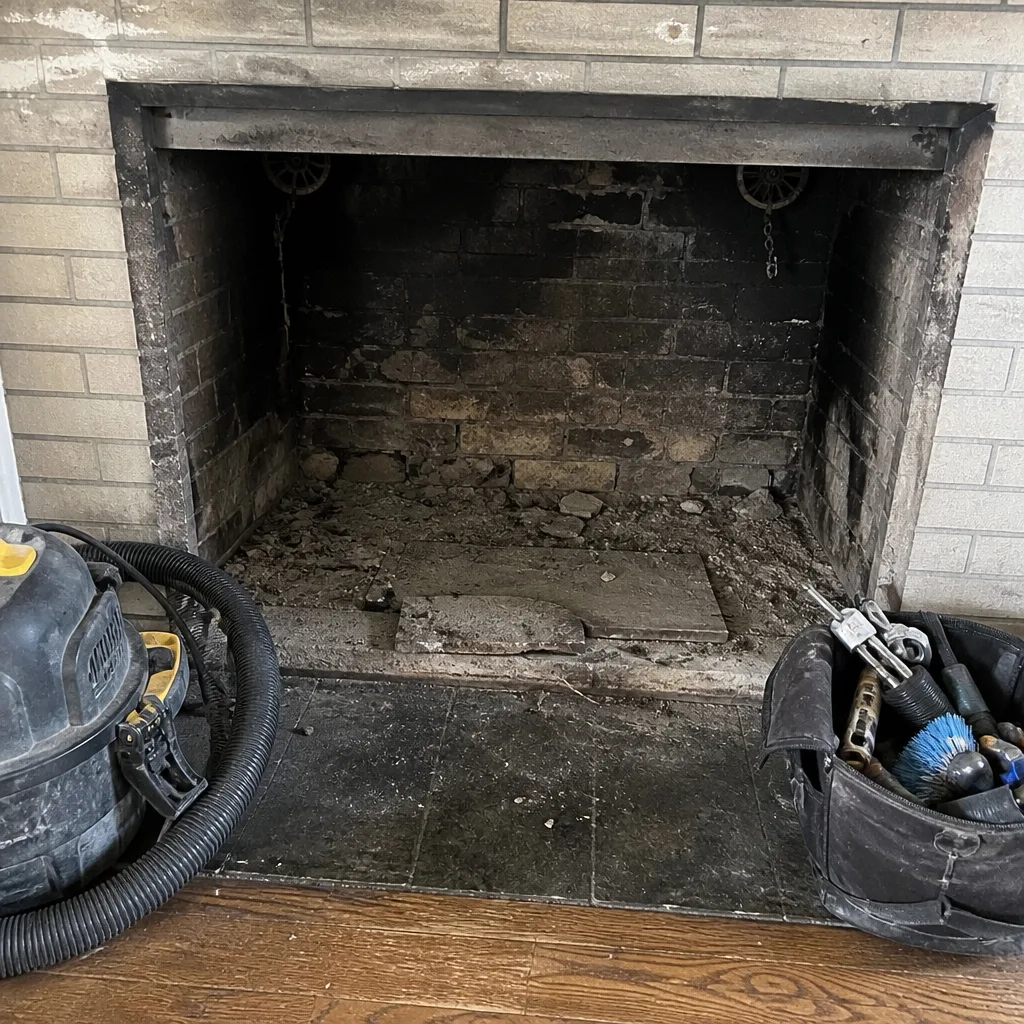 Before
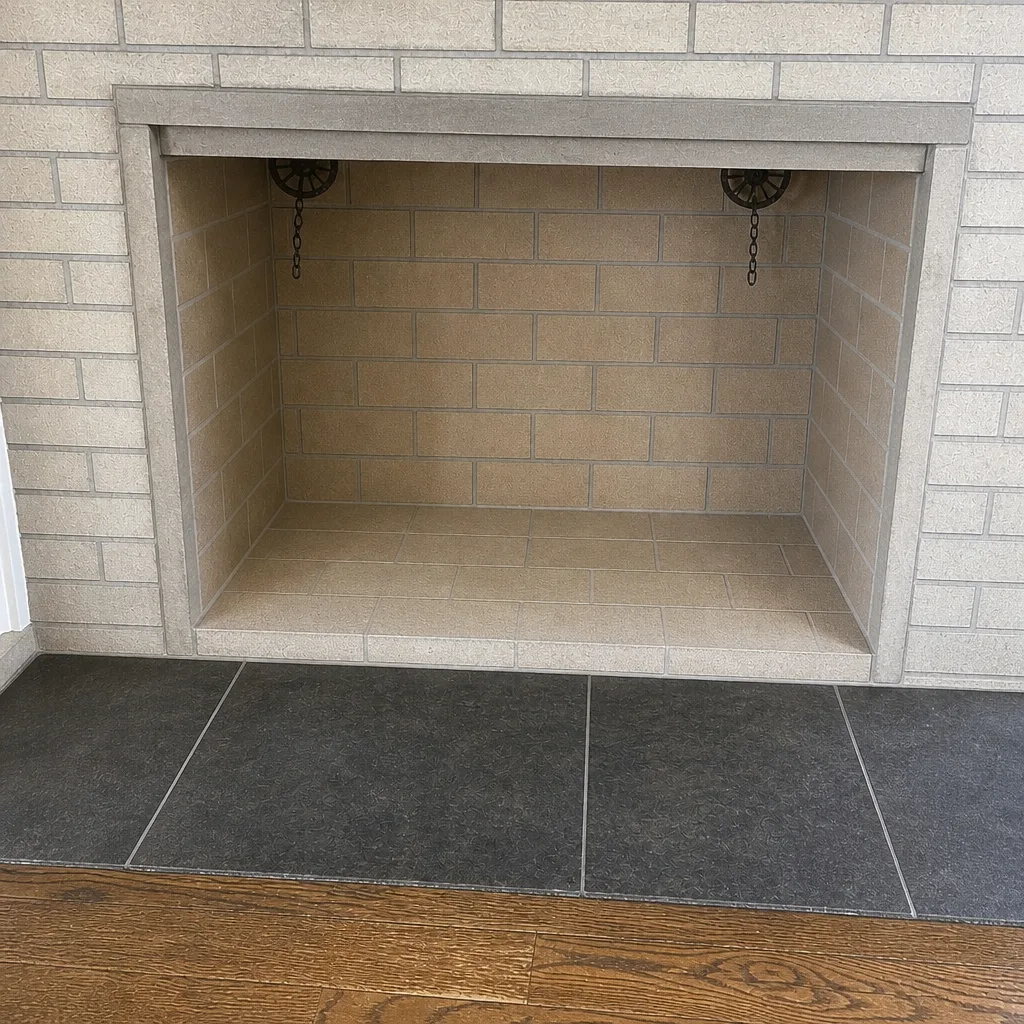 After
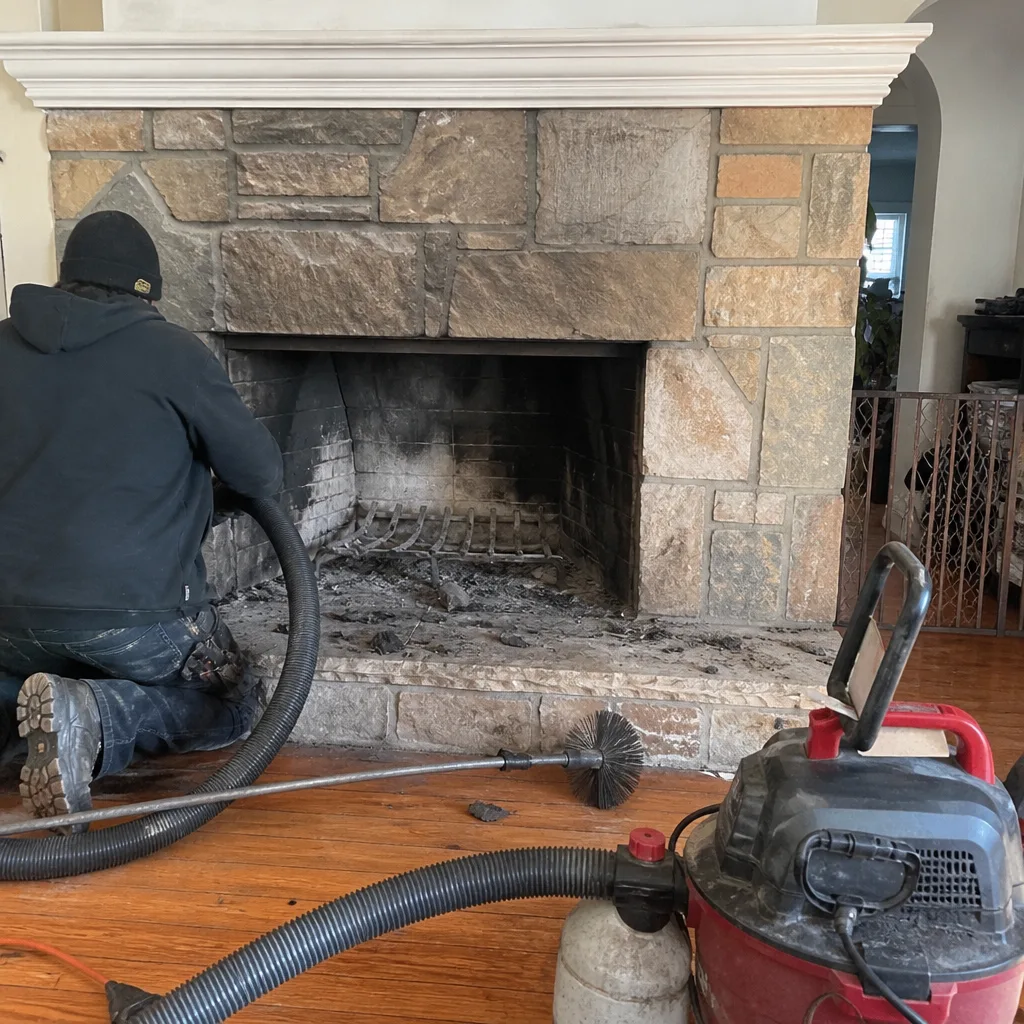 Before
 After
 Before
 After
When to Call a Professional
Call a professional for a full sweep and inspection at least once a season if you burn regularly, and immediately if you see or smell any of the following: smoke backing into the room when the fire is going, a strong creosote or tar smell even when the fireplace is cold, water stains on the firebox walls, loose or falling pieces of mortar inside the firebox, or a cap that’s missing or visibly damaged from the ground. Also call if your chimney hasn’t been looked at in more than a year, if you just moved into a Far Rockaway home and don’t know its history, or if you’re considering any liner or masonry work based on something a previous contractor told you. Chimney Sweep Far Rockaway offers free estimates in Far Rockaway, and a plain-language inspection you can look at yourself. Call (866) 937-8492. We answer 24/7. Fast dispatch from 7am to 7pm, Sunday through Friday.
Frequently Asked Questions
You can safely remove firebox debris, check the damper, and inspect the cap from the ground, but you should not attempt a full flue sweep or roof work yourself. The brush removes soot; it doesn’t tell you whether the flue lining is intact. Given how local freeze-thaw cycles stress masonry, the diagnosis is the part that matters most, and that needs a camera and a trained eye. Call (866) 937-8492 if you’re unsure whether your chimney is due for a sweep.
A typical professional sweep is priced per job based on the chimney and what’s found, and the written estimate sets the final price. The number is the estimate; the work itself can vary if the inspection turns up something that needs attention. Call (866) 937-8492 for an exact quote. Estimates are free.
The camera inspection is the part that finds hidden problems, which is why it’s the core of the service. A sweep without an inspection tells you the flue looks clean from the top, not that it’s structurally sound. Cracks, offset joints, and glazed creosote show up on the camera and nowhere else. Call (866) 937-8492 to book a sweep that includes the inspection and a photo report.
Once a season is the practical answer for homeowners who burn regularly, and an annual inspection is worth it even in lighter-use years. Local weather accelerates masonry wear, and the freeze-thaw cycle means a flue that was fine last year can show new cracks this year. If you’ve just moved into a home, book the first inspection right away. Call (866) 937-8492 to schedule.
The residue inside the flue keeps building and hardens into glaze, which is the fuel that turns a small flue fire into a serious one. Cracks that would have been caught by a camera go unnoticed, and water gets into the chimney through a failing crown or cap. None of this announces itself; it just gets more expensive. Call (866) 937-8492 before the season starts.
It can, because insurers look at whether the chimney was maintained and inspected by a qualified professional, and self-performed work leaves no record. A dated professional report is what shows documented maintenance. If you’re weighing DIY to save the cost of a sweep, compare it against having no evidence if something goes wrong. Call (866) 937-8492 to book an inspection with a written report.
The Bottom Line
DIY chimney cleaning handles exactly one piece of the job: the visible soot. What it can’t do is show you the cracked flue tile, the offset joint, or the glazed creosote that decide whether your chimney is safe. In Far Rockaway, where freeze-thaw cycles and storm-driven rain work on masonry year after year, the diagnosis is where the real value sits. Remove firebox debris, test the damper, and check the cap from the ground. Book a professional sweep with a camera inspection and a photo report for everything else, and get a written record you can look at yourself. The brush kit is $60; the documentation is the part that protects your home.
Ready to know exactly what’s inside your flue before the season? Call (866) 937-8492 for a free estimate. We answer 24/7. Fast dispatch from 7am to 7pm, Sunday through Friday.
Written by the team at Chimney Sweep Far Rockaway.