
Last updated November 25, 2026
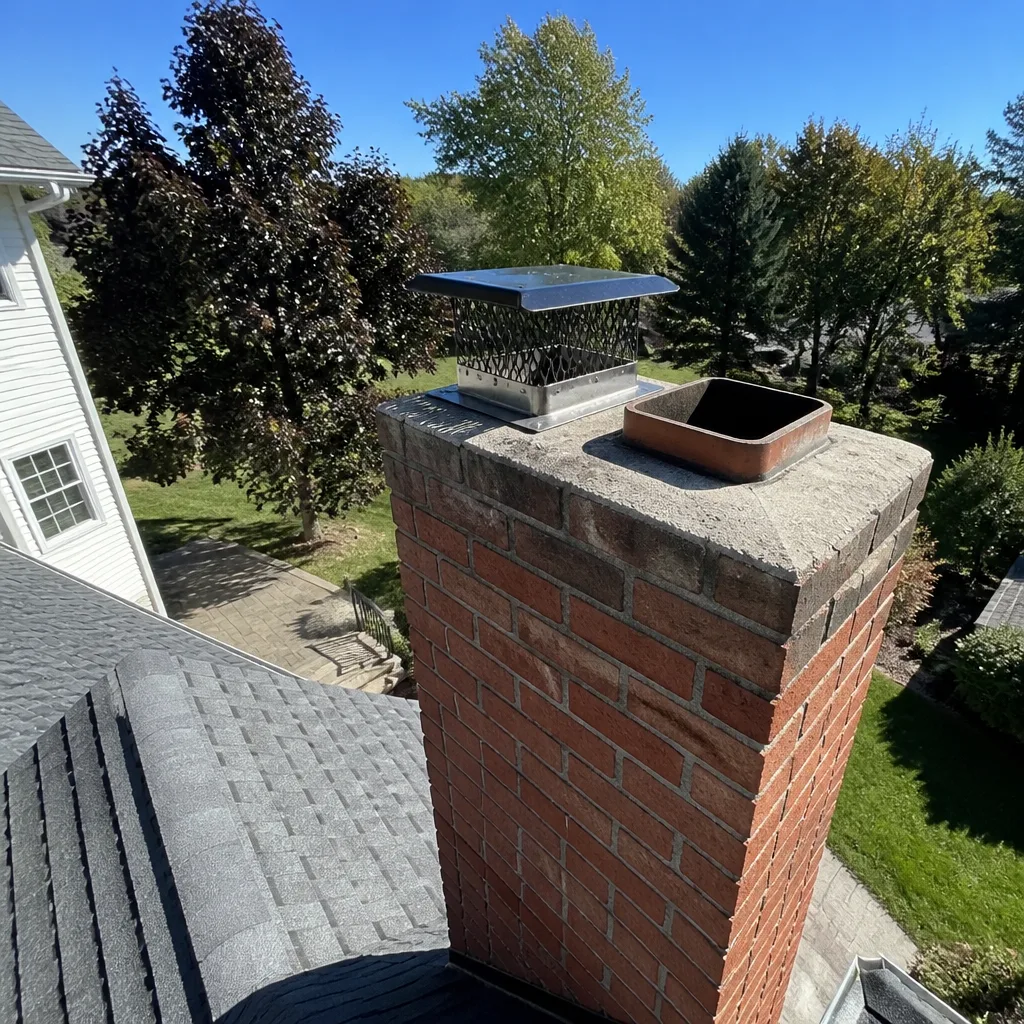 Sweep & inspection
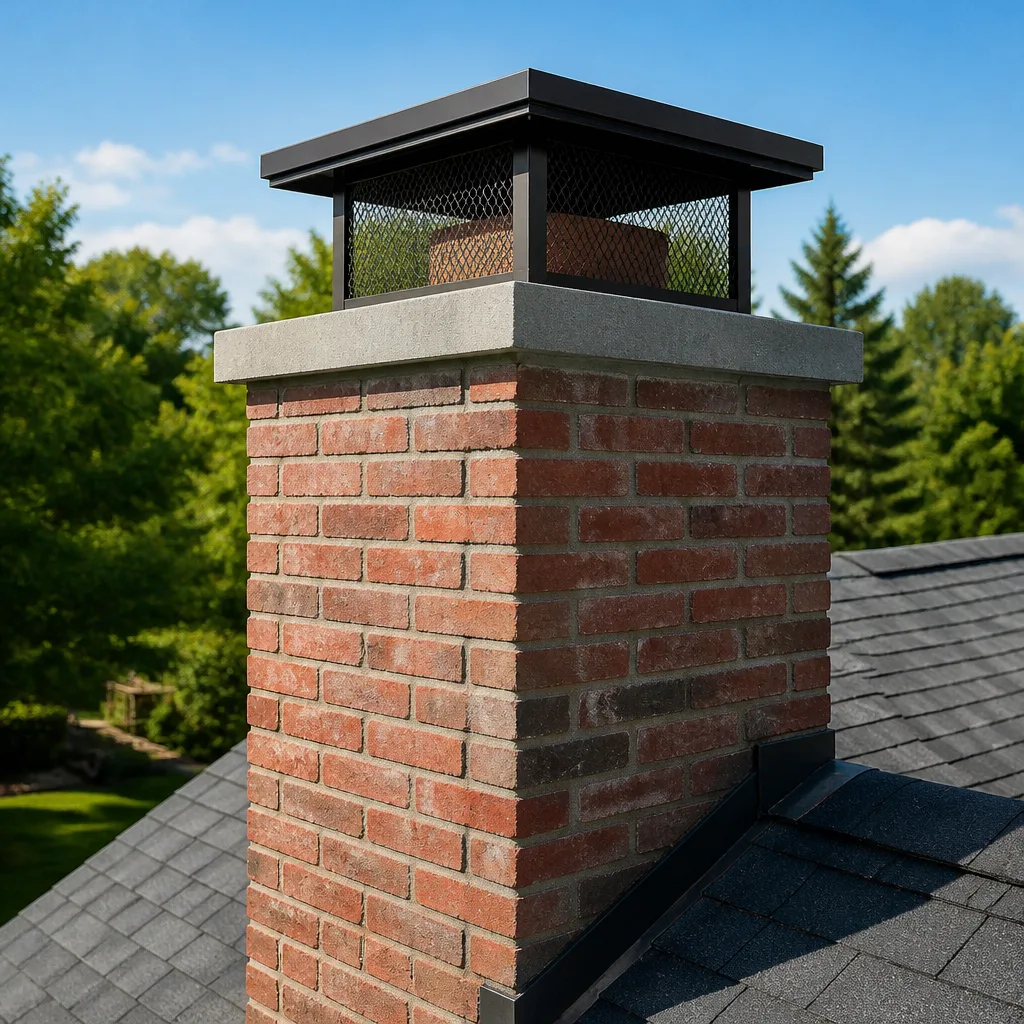 Caps & crowns
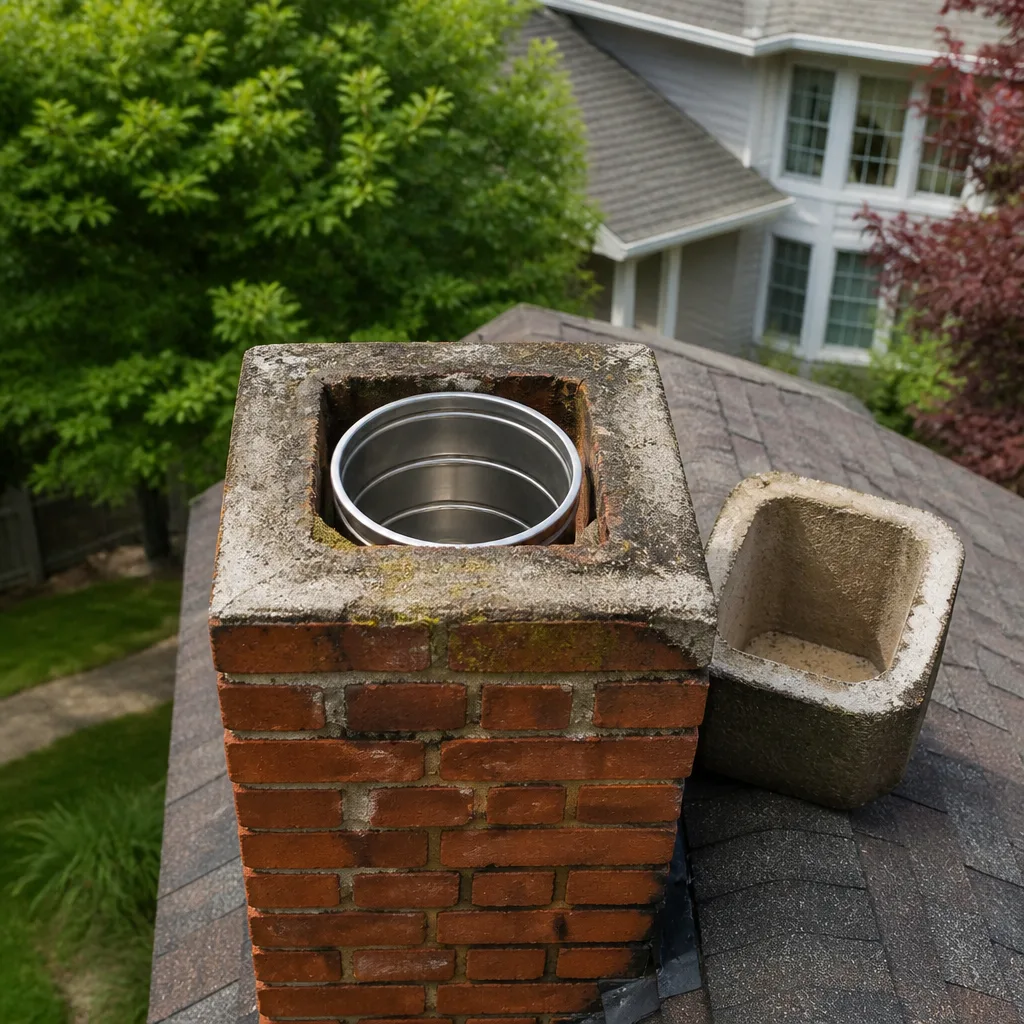 Flue relining
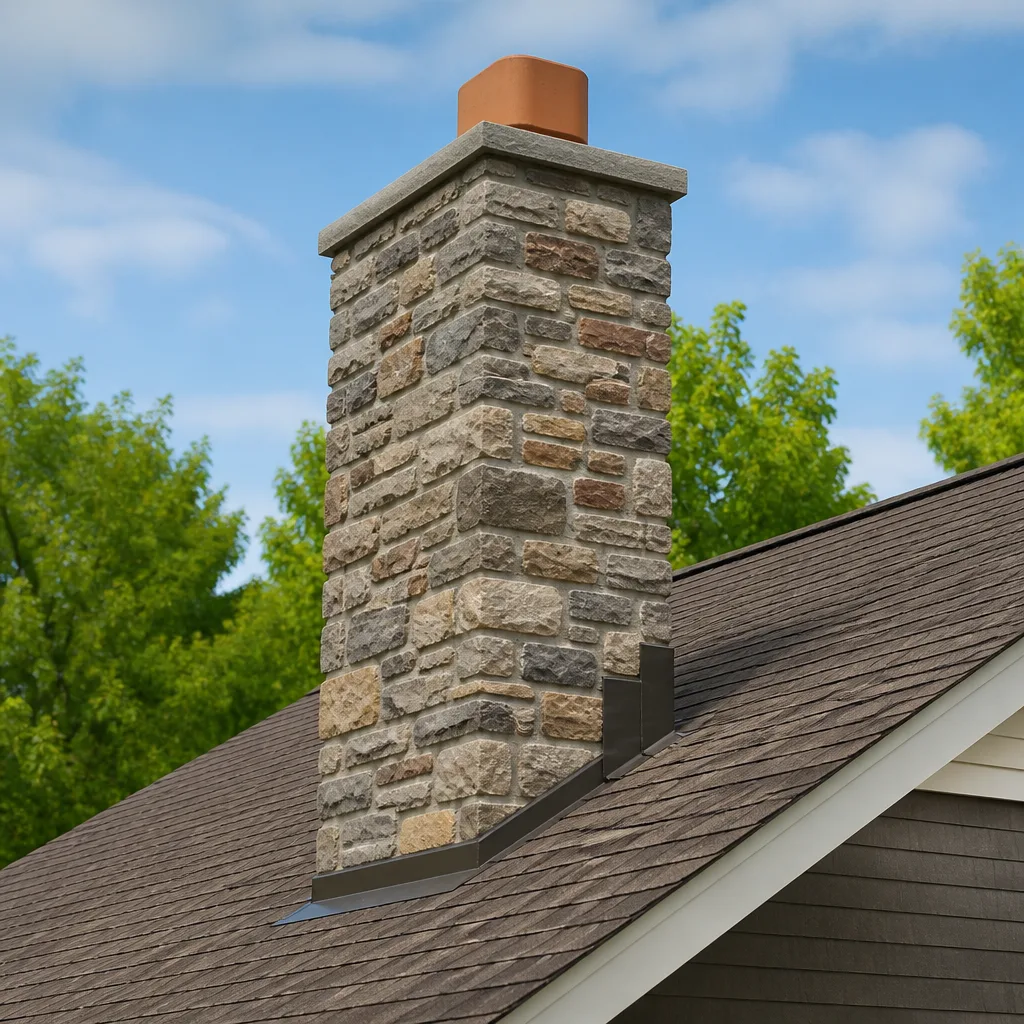 Masonry repair
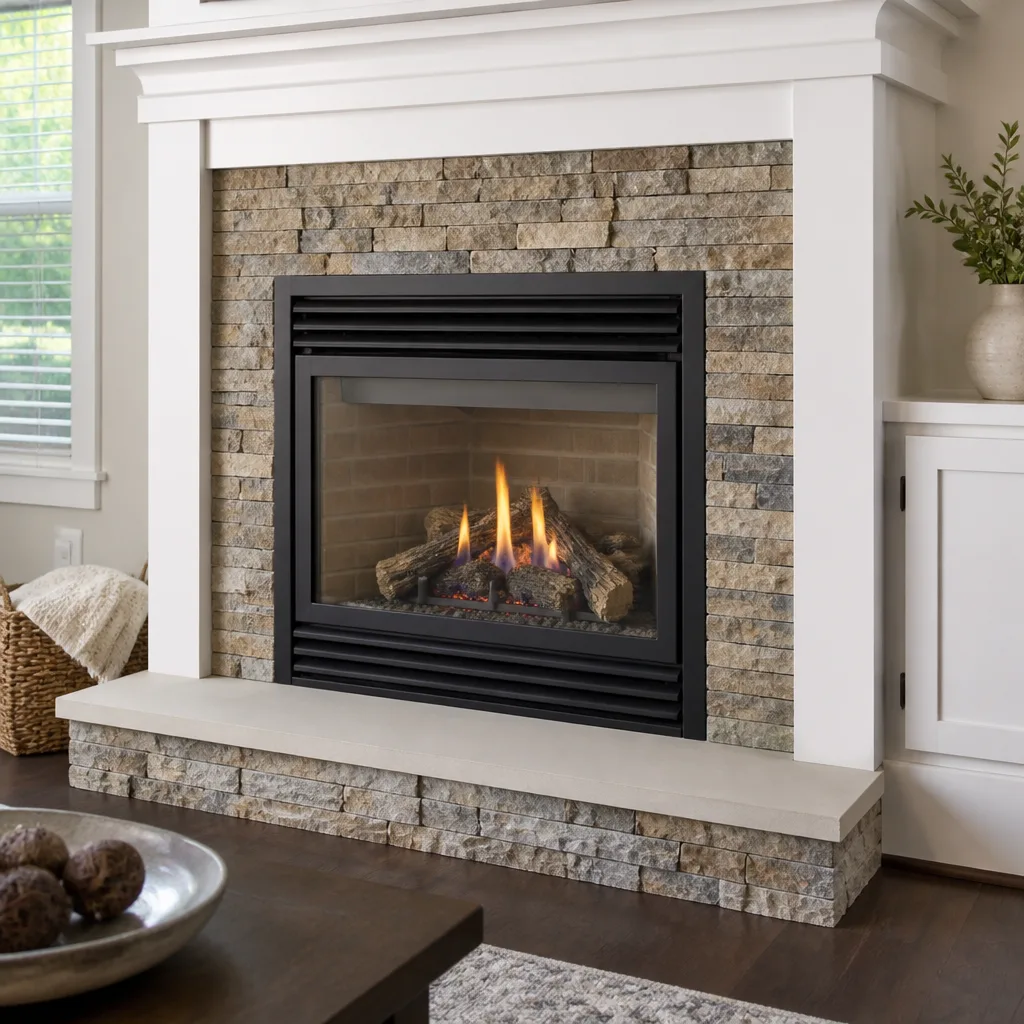 Gas fireplace service
Level 1 sweep and inspection to the NFPA 211 annual standard - flue, crown, cap, and flashing checked and photographed
Chimney sweep logs do not sweep chimneys. They loosen some creosote - which then falls where a brush and vacuum still have to collect it.
Seasonal Chimney Cleaning Care for Far Rockaway: Year-Round Homeowner’s Guide
Most homeowners here assume winter is what tears a chimney up. In our experience, spring does more damage. Freeze-thaw cycling ends right around the time humidity climbs, and that one-two punch opens mortar joints faster than any cold snap in January. A chimney that looks fine in March can be quietly taking on water by May. This guide maps the maintenance tasks that actually matter to each season in Far Rockaway, explains why the local weather treats masonry differently than it does inland, and gives you a clear sequence so nothing gets skipped. You’ll finish knowing what to check, when to book a sweep, and when work can safely wait.
Quick Answer
Chimney care in Far Rockaway runs on a four-season cycle: sweep in spring after the heating season ends, cap and seal against summer humidity, book a Level 1 inspection in fall before the first fire, and check draft and smoke performance mid-winter. The single most common mistake is waiting until fall to sweep. By then, acidic creosote has sat in a damp flue for months, and small mortar cracks have had a full season to widen.
Styles & brands we work with
- Sweep & inspection
- Caps & crowns
- Flue relining
- Masonry repair
- Gas fireplace service
Table of Contents
- Why Far Rockaway Chimneys Age Differently Than Inland Ones
- Spring: The Sweep and Mortar Check You Shouldn’t Postpone
- Summer: Capping and Sealing a Dormant Flue
- Fall: The Pre-Season Inspection Sequence
- Winter: Mid-Season Performance Checks
- How Salt Air Compounds Seasonal Wear
- The Far Rockaway Chimney Calendar at a Glance
- Common Mistakes to Avoid
- When to Call a Professional
- Frequently Asked Questions
Why Far Rockaway Chimneys Age Differently Than Inland Ones
A chimney in Far Rockaway lives in a harder environment than the same chimney in a town west of the city. The peninsula gets the full swing of coastal humidity, and that moisture doesn’t just sit on the surface of brick and mortar. It moves into the masonry, then expands and contracts as temperatures cross the freezing line. Masonry is strong in compression and weak in this kind of cycling. Mortar joints are the first thing to give, because mortar is softer than brick by design and absorbs more water.
Salt air adds a second layer of wear that inland homeowners simply don’t deal with. Airborne salt deposits settle on caps, crowns, dampers, and metal liners. On masonry, those deposits hold moisture against the surface longer than plain rain does. On metal, they speed up corrosion at the exact points where water pools: the crown edge, the cap seams, the top of a stainless liner. We see this pattern on Far Rockaway roofs consistently enough that we treat it as a baseline, not an exception.
The practical consequence is that the inspection timeline here should be tighter than generic national advice suggests. A chimney that would get a yearly look in a dry climate benefits from a spring check and a fall check in Far Rockaway. Not because the chimney is failing, but because the environment pushes wear faster and earlier detection is cheaper than reconstruction.
One more local factor: many homes in Far Rockaway were built with masonry chimneys that have since been relined for modern appliances, or with prefabricated metal fireplaces in later additions. These two systems age on completely different schedules. Masonry needs mortar and crown attention. Prefabricated metal systems need their caps, flashing, and liner joints checked as the metal ages. Knowing which one you have is the starting point for every seasonal decision that follows.
Spring: The Sweep and Mortar Check You Shouldn’t Postpone
Spring is the right time to book a chimney sweep in Far Rockaway. The heating season is over, creosote is at its full winter volume, and you have months to address what the sweep finds before you need the fireplace again. Waiting until September means any problem sits through the most humid stretch of the year. That’s exactly when a small mortar crack turns into a real one and when creosote absorbs moisture and hardens into a glaze that’s much harder to remove.
Here’s the spring sequence we recommend:
- Sweep the flue. Remove the season’s creosote load while it’s still in its softer, brushable form. Glazed creosote from a damp summer is a different, more involved job.
- Inspect the mortar joints. Freeze-thaw damage shows up as hairline cracks, crumbling mortar, and loose brick at the top of the stack first. A technician checks the crown, the top courses, and the joints visible from the roof.
- Check the crown and cap. A cracked crown lets water straight into the masonry below it. Caps that came loose over the winter need reseating.
- Note the liner condition. If the flue liner has deteriorated, spring is when you want to know, not in October.
The mortar inspection is the part homeowners skip, and it’s the part that matters most in Far Rockaway. Freeze-thaw cycling ends in early spring, right when humidity starts to rise. That combination cracks mortar faster than the cold alone. A joint that’s already cracked in April will take on water all summer. By fall, a $200 repointing job can become a rebuild.
This is also the season to schedule a chimney repair consultation if the sweep turns up anything structural. Small masonry fixes done in spring have the whole dry season to cure. Repairs done in fall get rushed, and rushed masonry in a humid climate is masonry that fails again.
Summer: Capping and Sealing a Dormant Flue
A chimney you don’t use in summer is a chimney that’s most vulnerable to moisture. The flue is open to the sky unless it has a proper cap, and Far Rockaway’s summer humidity finds every gap. Water in a dormant flue does two things: it softens the creosote already on the walls, letting it soak into the masonry, and it feeds the freeze-thaw cycle that starts again in autumn. The result is hardened, glazed creosote that’s harder to sweep and more of a fire risk.
Summer is the time to install or replace a chimney cap & crown. A properly fitted cap keeps rain, birds, and debris out while letting exhaust escape. The crown, which is the concrete or mortar surface at the top of the masonry stack, needs to slope away from the flue so water runs off rather than pooling. We routinely find crowns that have gone flat or cracked, and that’s the number one water entry point we see on Far Rockaway chimneys.
For prefabricated metal systems, summer is when we install Gelco and Famco caps and ventilation components. These are purpose-built for metal chimney systems and hold up well against damp air better than generic caps. We use Famco products on ventilation because the fit matters more than the material: a cap that doesn’t sit flush on the flue is a cap that lets moisture in.
If your fireplace has a damper, summer is also the time to check that it seats fully. A damper that hangs slightly open in humid air is letting the whole summer’s moisture into the firebox. A quick check now saves you a firebox rebuild later.
One more summer task: close the fireplace flue when the fire isn’t in use. In a house with air conditioning, an open flue draws cool air up and out all season. The fix is a properly functioning damper and, in some setups, a top-sealing damper that closes at the chimney top. We’ll tell you which option fits your fireplace when we inspect it.
Fall: The Pre-Season Inspection Sequence
The fall inspection should happen before the first fire, not after. The reason is simple: the inspection is how you find out whether the fireplace is safe to use at all. A Level 1 inspection is a visual check of the readily accessible parts of the chimney and venting system, and it’s the right level for a chimney that’s in regular use with no known problems. Booking it in September or early October means you have time to fix anything that turns up before the weather turns.
Here’s the sequence we run through on a fall inspection:
- Exterior check. Crown condition, cap fit, flashing at the roofline, and the visible masonry for cracks or spalling.
- Firebox and damper. Look for cracked firebrick, a damper that doesn’t seat, and any sign of water staining.
- Flue interior. Creosote level, liner condition, and any obstruction.
- Appliance connections. If a wood stove or insert is connected, check the connector pipe and its joints.
- Draft test. A smoke or draft check to confirm the flue is pulling properly before you light a fire.
The draft test is worth calling out. A flue that drafts poorly in fall will draft worse in the cold. We’ve seen Far Rockaway homeowners put up with smoke rollout for a whole season because they didn’t test draft before the first fire. A ten-minute check catches it.
The Level 1 inspection is also where we decide whether a higher level is needed. If the visual check turns up something the inspection can’t resolve, a Level 2 inspection (which includes a video scan of the flue) is the next step. That’s not an upsell, it’s how the standard works.
Fall is also the season to confirm the cap is still in place after summer storms. Caps get knocked loose. A loose cap in October means water running into the flue all fall.
Winter: Mid-Season Performance Checks
Mid-winter is when the chimney gets its real workout. Long cold spells mean more fires, more creosote, and more strain on every component. You don’t need a formal inspection in January, but there are things you should watch for. Most of them show up as small signals before they become a problem.
Watch for these during the heating season:
- Smoke rolling into the room. A small amount at startup can be normal in some fireplaces. Persistent smoke is a draft problem and needs attention.
- Draft that’s weaker than it used to be. A flue that used to pull well and now struggles usually has a creosote buildup or a partial obstruction.
- Staining at the top of the firebox or on the ceiling above. This is water entry, and it doesn’t wait for spring.
- A creosote smell even when there’s no fire. That smell is a sign of buildup and, in some cases, of a damaged liner.
- Carbon monoxide alarms going off. This is not a watch-and-see item. Stop using the fireplace and get it checked.
Carbon monoxide is the reason we take winter draft issues seriously. A blocked or deteriorated flue can let combustion gases back into the living space instead of up and out. That’s a genuine safety risk, not a scare tactic. If you have a CO alarm near the fireplace and it has ever gone off, the fireplace shouldn’t be used until the chimney is inspected.
Winter is not the time for major repairs. It’s the time to identify issues and book the work for spring. If you’re seeing any of the signals above, call and we’ll get the chimney looked at. We answer 24/7. Fast dispatch from 7am to 7pm, Sunday through Friday. A call outside dispatch hours is booked into the next opening.
One more winter note: if your fireplace has glass doors, keep them closed when the fire is burning slowly. Open doors with a smoldering fire let creosote-laden smoke into the room. Closed doors with the right amount of air keep the fire clean and the smoke going up.
How Salt Air Compounds Seasonal Wear
Salt air is the factor that makes Far Rockaway chimney care different from anywhere inland, and it’s the one homeowners understand least. Airborne salt doesn’t just sit on the surface of brick and mortar. It pulls moisture out of the air and holds it against the surface longer than plain rain would. That means the masonry stays damp longer after every rain, and the damp-dry cycle repeats more times per season.
On metal, the effect is even clearer. Stainless steel liners, cap hardware, and damper assemblies all corrode faster when salt deposits settle on them. The corrosion shows up first at seams and joints, where water sits. A DuraFlex stainless liner that would last decades in a dry climate benefits from being inspected for corrosion at the joints specifically, not just at the visible sections.
This is why we favor professional-grade materials for Far Rockaway work. We use DuraFlex liners for relining jobs because the stainless alloy holds up better against humidity and salt deposits than the thinner materials in cheaper kits. We use HeatShield ceramic resurfacing for liner restoration because it bonds to the existing flue and creates a smooth, sealed surface that doesn’t trap moisture the way a rough, failed liner does. HeatShield is the recognized system for restoring a deteriorated liner without full relining, and in a humid climate, a smooth flue is a flue that doesn’t hold creosote or water.
The salt-air effect is also why we recommend an inspection in spring as well as fall for Far Rockaway homes. It’s not that the chimney is fragile. It’s that the environment is aggressive enough that a twice-a-year look catches wear earlier.
We also install Copperfield products where they fit a job, because the brand’s professional distribution means we’re getting components built to a standard, not mass-market hardware. Small details like cap screens, storm collars, and connector pieces are where salt-driven corrosion starts, and they’re the cheapest parts to get right the first time.
The Far Rockaway Chimney Calendar at a Glance
Here’s the seasonal cycle condensed. Keep this handy and you’ll never wonder what needs attention when.
- Spring (March – May): Book the sweep. Have mortar joints inspected after freeze-thaw. Address any structural repair while the weather is dry.
- Summer (June – August): Cap and seal the flue for the dormant season. Check the damper. Replace caps that came loose.
- Fall (September – November): Book the Level 1 inspection before the first fire. Test draft. Confirm the cap is seated. Decide on any liner work.
- Winter (December – February): Watch draft, smoke, and CO alarms. Note issues for spring. Book non-urgent work for the spring window.
The order matters. Spring sweep, summer seal, fall inspect, winter watch. Each season’s task sets up the next. A sweep in spring gives you a clean flue for summer, so the summer dampness finds less to work on. A fall inspection confirms the summer sealing held. The winter watch tells you what to put on the spring list.
If you only do one thing all year, do the fall Level 1 inspection. If you only do two, add the spring sweep. The rest of the calendar is what separates a chimney that lasts from one that gets rebuilt.
Common Mistakes to Avoid
- Waiting until fall to sweep. By September, creosote has sat in a damp summer flue for months and hardened. Spring sweeping keeps the buildup soft and removable.
- Skipping the mortar inspection. Freeze-thaw cracks don’t announce themselves. They widen quietly through spring and summer and show up as a leak or a rebuild in fall.
- Leaving the flue uncapped in summer. An open flue in Far Rockaway’s humidity is a moisture pipe into your masonry. A proper cap costs less than the water damage it prevents.
- Treating the fall inspection as optional. The inspection is how you know whether the fireplace is safe to use. Booking it after the first fire is backwards.
- Ignoring a draft change. A flue that used to pull well and now struggles has a reason. Draft changes are the earliest sign of buildup or liner trouble.
- Assuming prefabricated metal chimneys need less care. Metal systems have their own failure points (cap fit, flashing, liner joints) and need their own seasonal checks. We stock Famco and Gelco components for exactly those systems.
- Back-burnering CO alarm events. If the alarm near the fireplace has gone off, the fireplace shouldn’t be lit until the chimney is inspected. That’s not caution for its own sake, it’s the one signal you never dismiss.
When to Call a Professional
Some chimney tasks are seasonal maintenance. Others are jobs for a trained technician, no exceptions. Call us when you see smoke rolling into the room, when the draft has weakened noticeably, when there’s water staining on the ceiling or at the top of the firebox, when a crack in the crown is visible from the ground, or when a CO alarm has gone off near the fireplace. Call us if your flue has no cap, if the cap is loose, or if the firebox firebrick is cracked. Call us if it’s been more than a year since the last sweep or inspection, or if you’ve just moved into a Far Rockaway home and don’t know the chimney’s history.
The high-tension springs and cables in a garage door are a different trade, but the same principle applies to chimneys: the parts that fail dangerously are the ones you can’t see, and they fail fast. A trained technician inspects the flue, the liner, the crown, and the connections with the right tools. A homeowner with a flashlight sees the firebox and nothing else. Chimney Sweep Far Rockaway offers free estimates in Far Rockaway. Call (866) 937-8492. We answer 24/7. Fast dispatch from 7am to 7pm, Sunday through Friday.
If you’re not sure whether you need a full sweep or just an inspection, ask. Our technicians have up to 8 years of experience, and they’ll tell you what the chimney actually needs before any work begins.
Frequently Asked Questions
Once a year for most homes that burn regularly, with a spring sweep being the better timing in Far Rockaway because it clears the winter’s creosote before the humid season. Homes that burn heavily or burn unseasoned wood may need it more often. A fall inspection confirms whether the flue is clear before the first fire.
Spring is worse because freeze-thaw cycling ends right as humidity climbs. That combination cracks mortar joints faster than cold alone, and a cracked joint then takes on water all summer. Winter gets the attention, but spring does the quiet damage.
Yes, and summer is when you need it most. A dormant flue without a cap is open to rain, birds, and Far Rockaway’s humid air. Water in a dormant flue softens creosote and feeds the freeze-thaw cycle when autumn arrives. A fitted cap is one of the cheapest preventive steps you can take.
A Level 1 is a visual check of the readily accessible parts of the chimney and venting. A Level 2 adds a video scan of the flue interior, which is what you need when the visual check turns up something it can’t resolve, or when the chimney has had a change like a new appliance connection. We start with Level 1 and move up only when the chimney calls for it.
The inspection tells you. A liner with surface deterioration but sound structure can sometimes be restored with HeatShield ceramic resurfacing, which bonds a smooth, sealed surface to the existing flue. A liner that’s cracked through or missing sections needs relining, and that’s where a DuraFlex stainless liner comes in. We don’t recommend either until you’ve seen the evidence from the inspection.
No. Stop using the fireplace and get the chimney inspected before lighting another fire. A CO alarm near the fireplace is the one signal you never treat as a false positive without checking. Call (866) 937-8492 and we’ll get it looked at.
The Bottom Line
Chimney care in Far Rockaway runs on a four-season rhythm: spring sweep and mortar check, summer cap and seal, fall Level 1 inspection before the first fire, and a winter watch for draft and CO signals. The spring work is the one most homeowners skip, and it’s the one the local climate punishes hardest. Get the sweep and mortar inspection done in spring, seal the flue in summer, and inspect in fall. Do that, and the chimney you have in October is the same chimney you’ll have next October. Skip it, and the fixes get bigger every year.
We offer all five chimney and fireplace services under one roof: sweeping, inspection, cap and crown, chimney repair, and fireplace repair. If you want a clear picture of what your chimney needs before the season starts, call (866) 937-8492 for a free estimate. We answer 24/7. Fast dispatch from 7am to 7pm, Sunday through Friday. A call outside dispatch hours is booked into the next opening.
Written by the team at Chimney Sweep Far Rockaway.
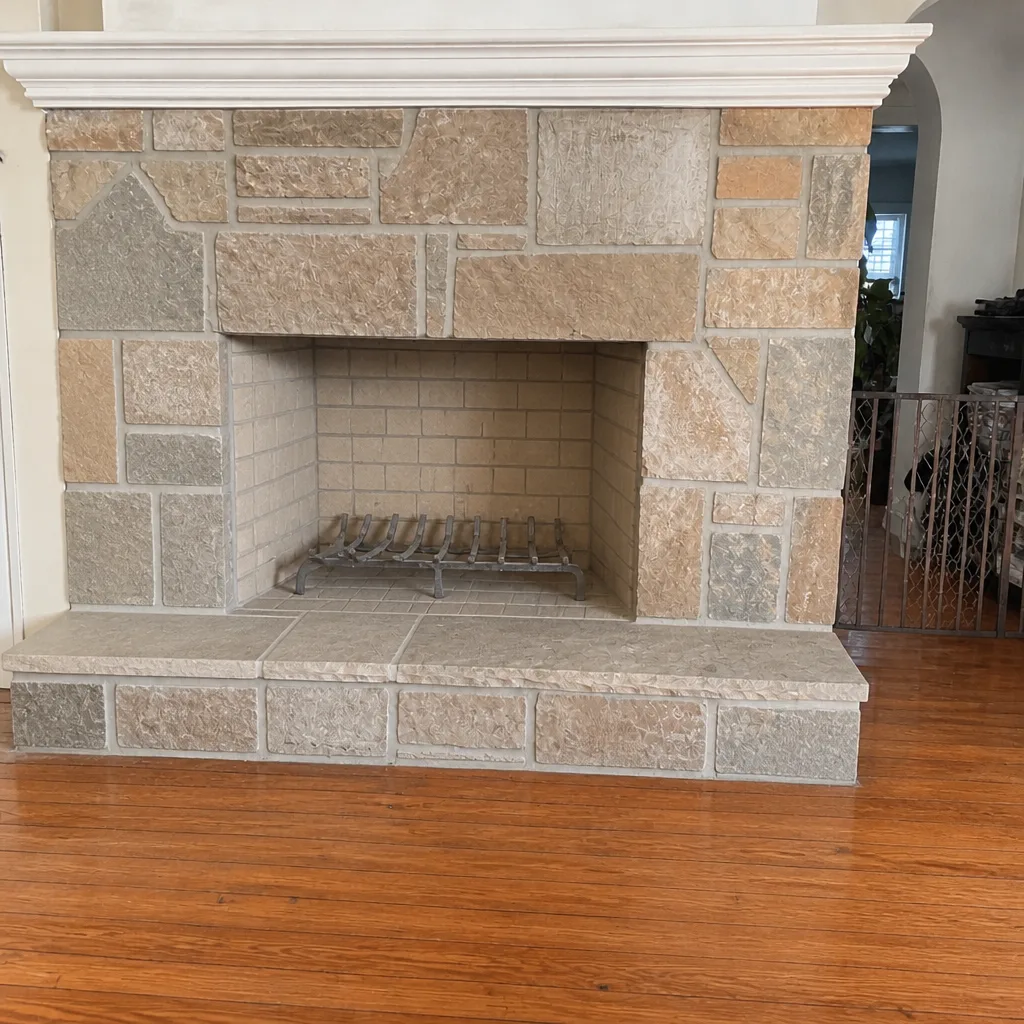
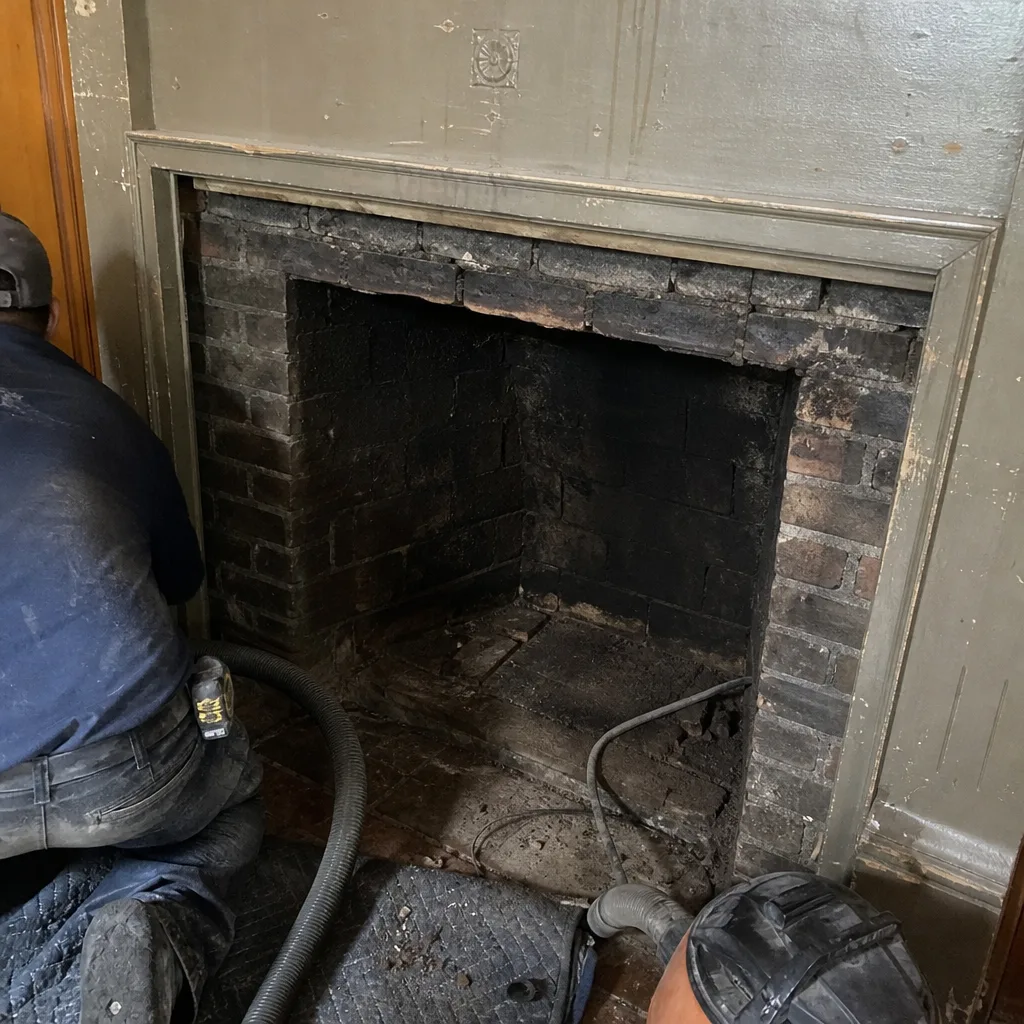
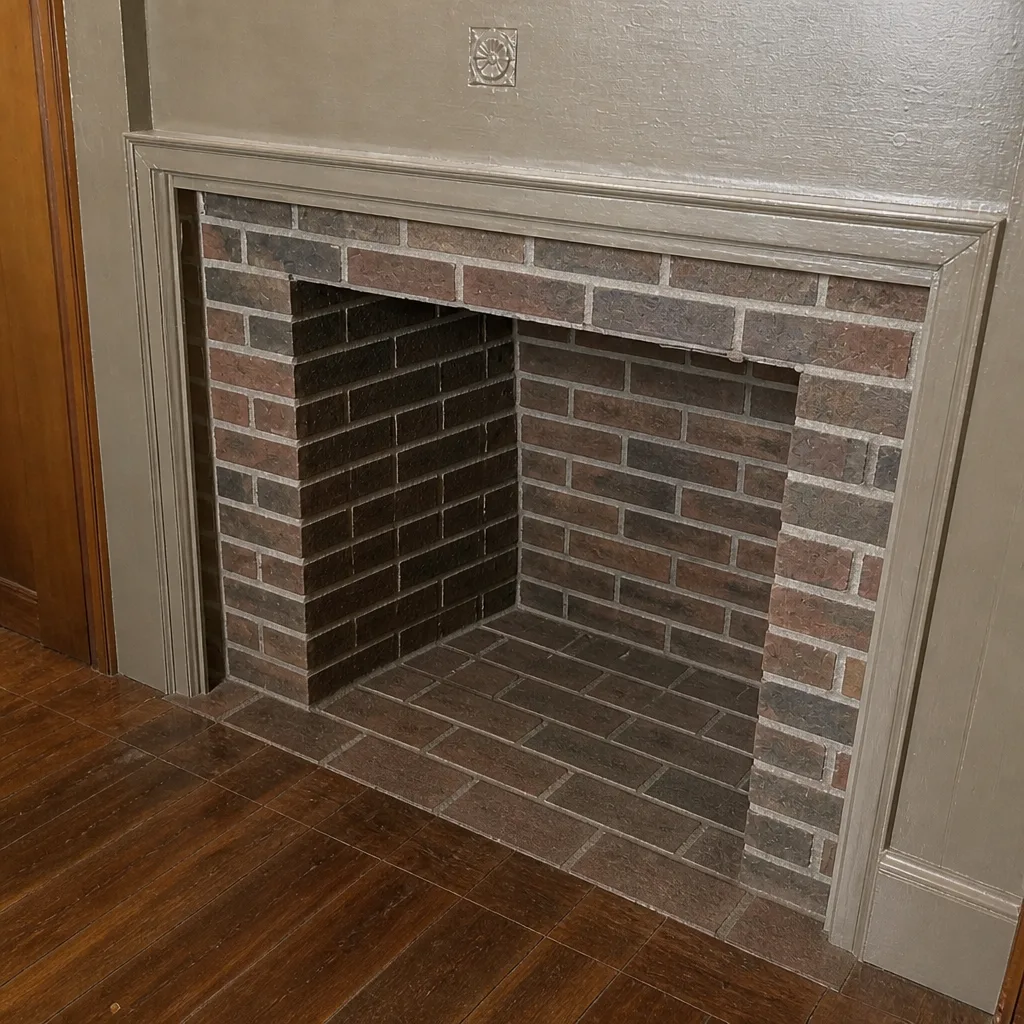
See the difference
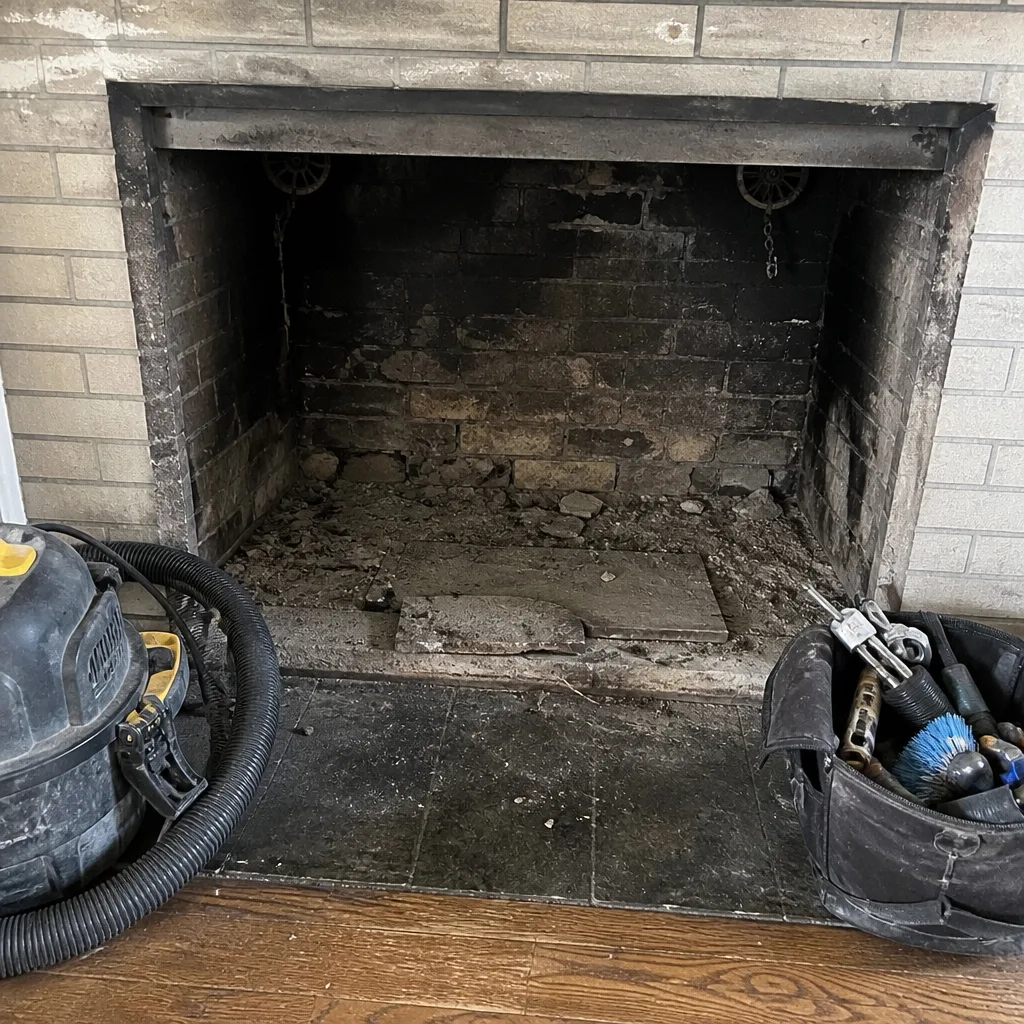 Before
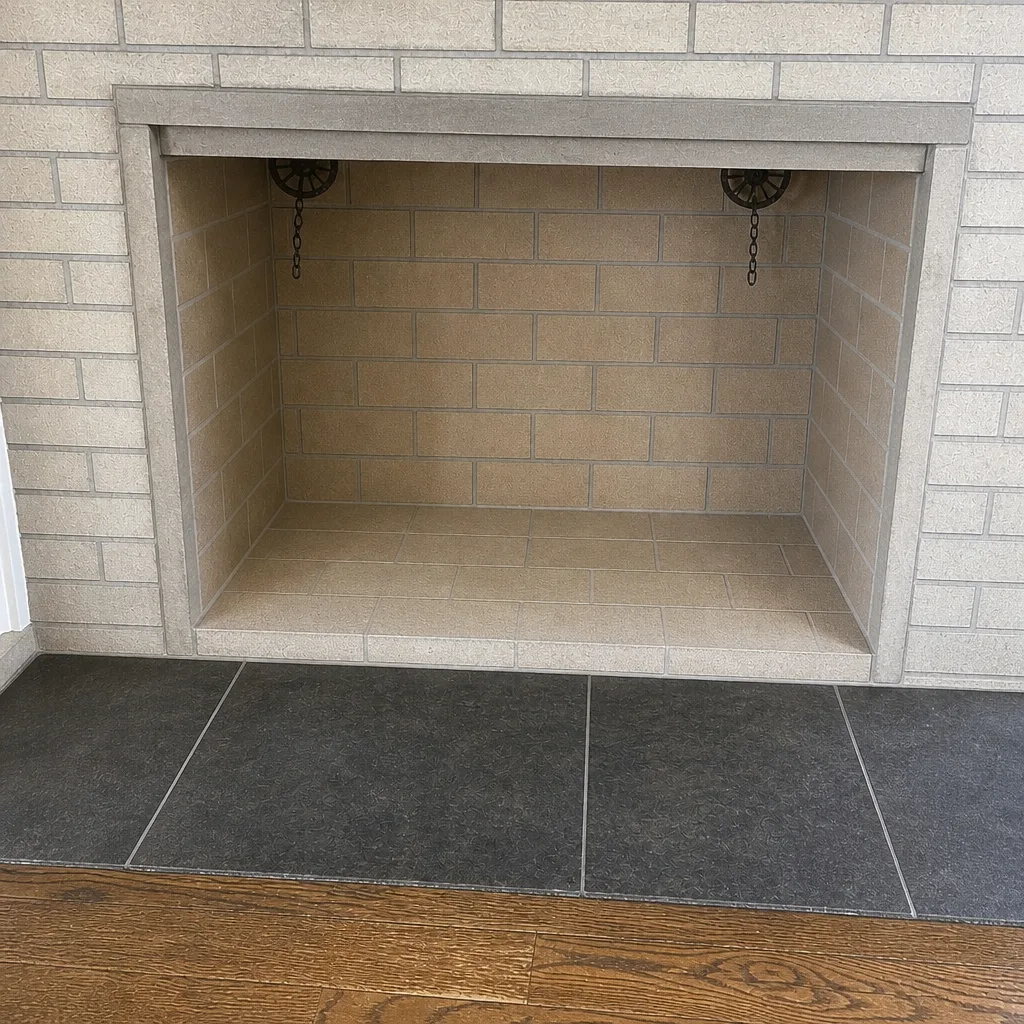 After
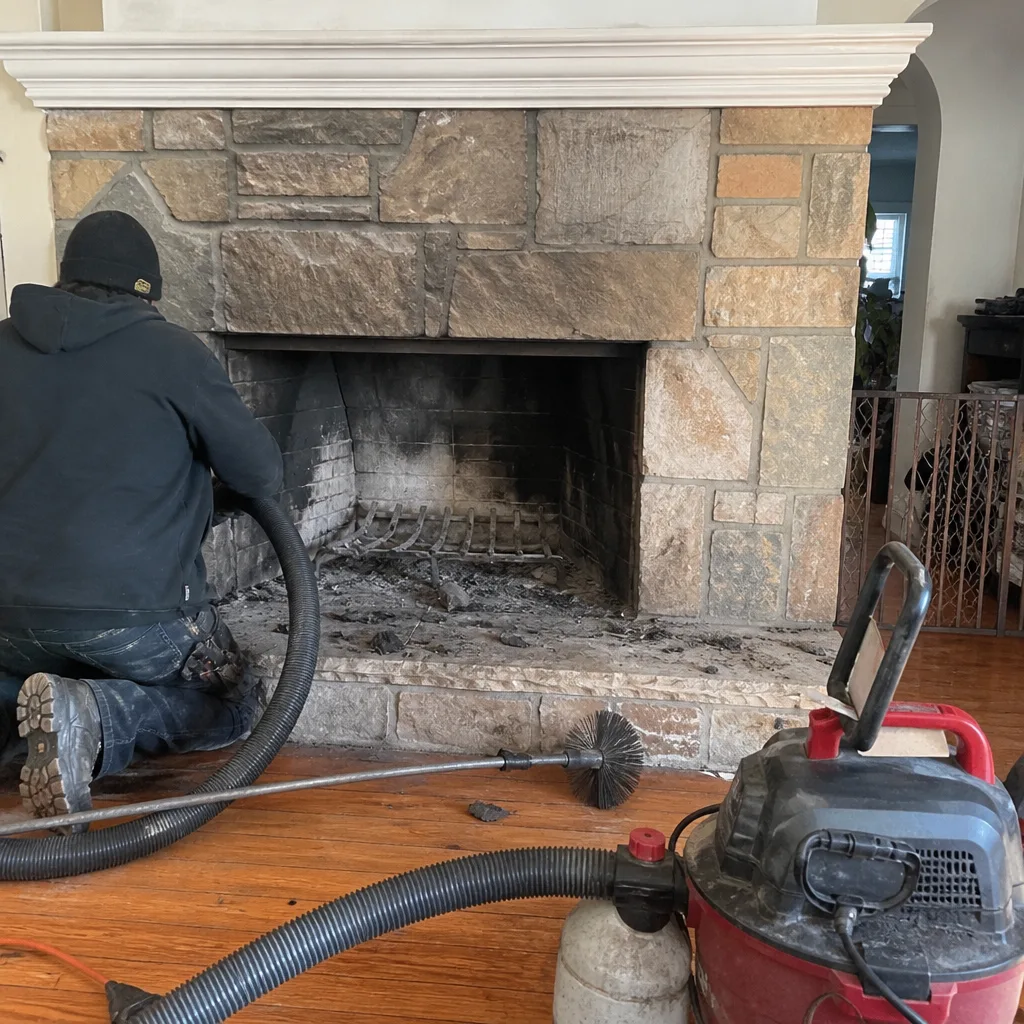 Before
 After
 Before
 After