
Last updated November 25, 2026
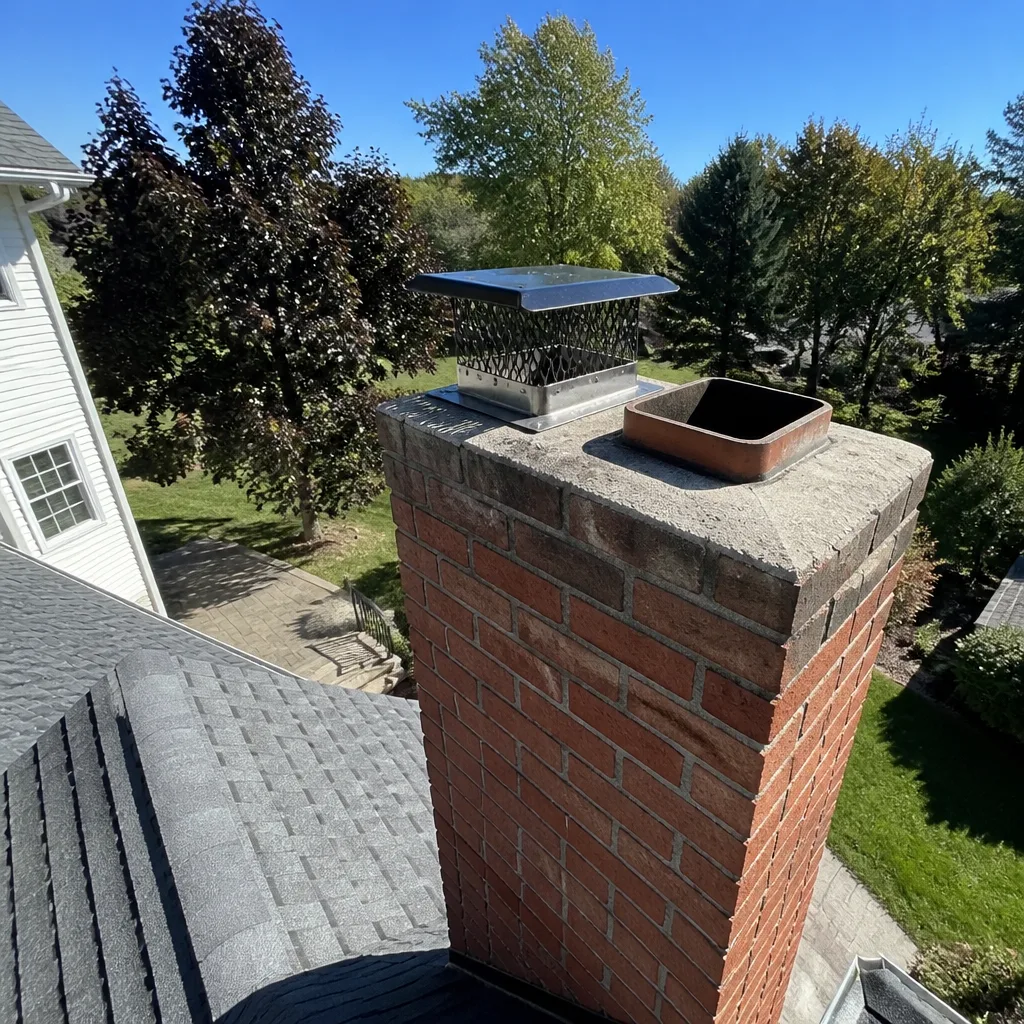 Sweep & inspection
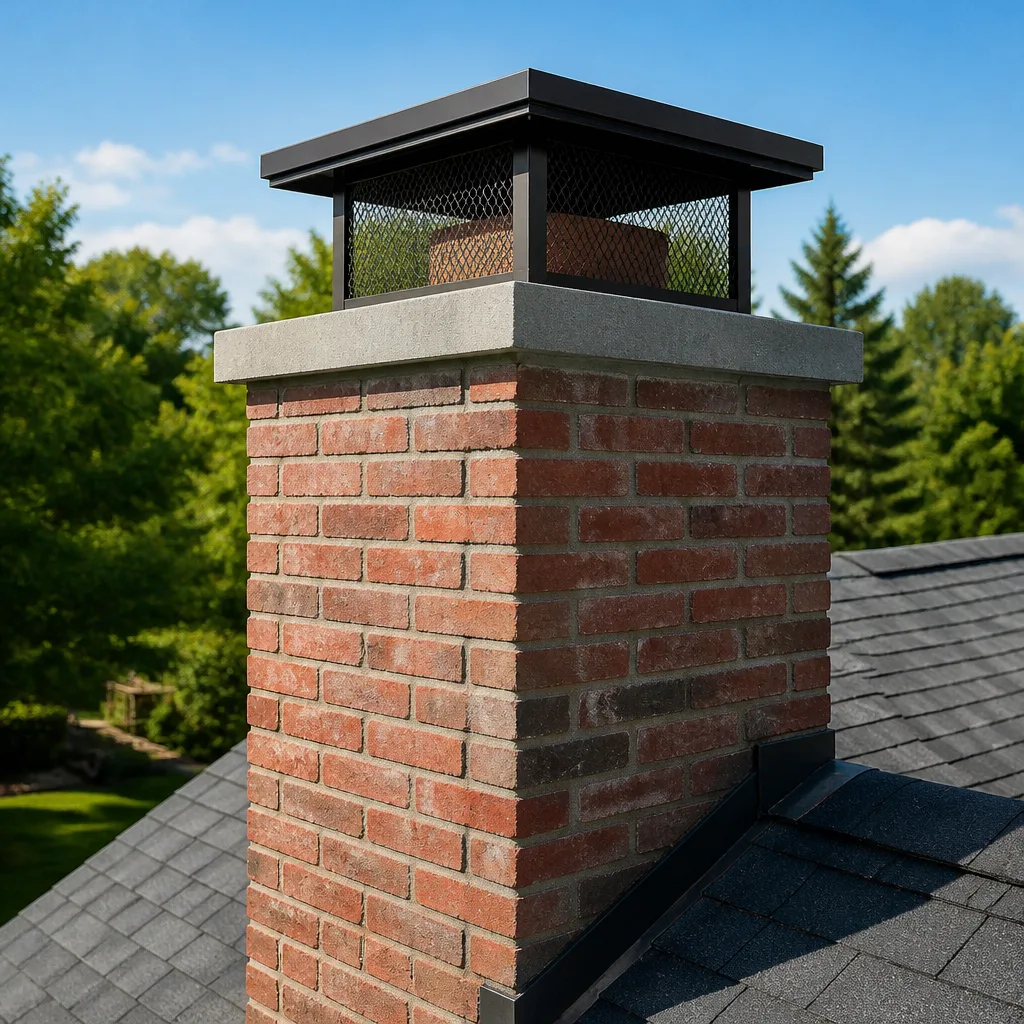 Caps & crowns
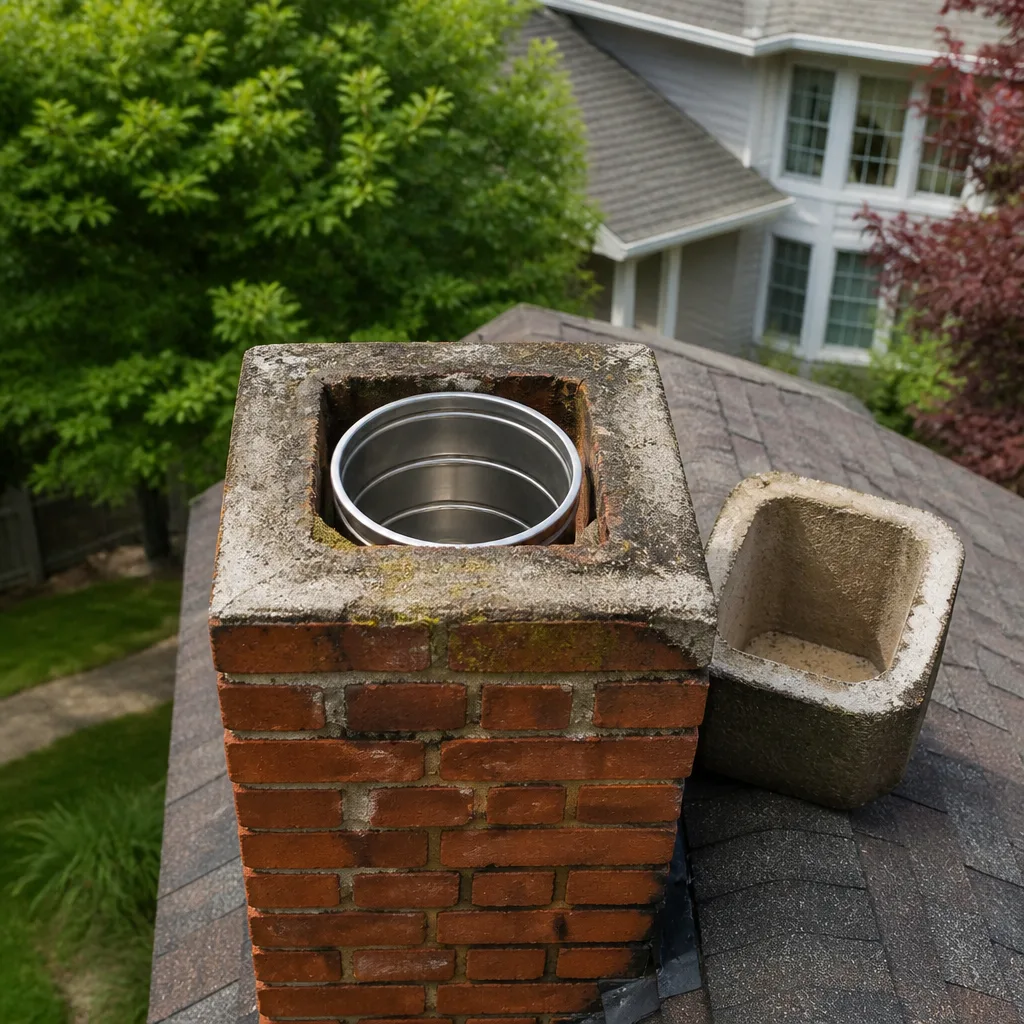 Flue relining
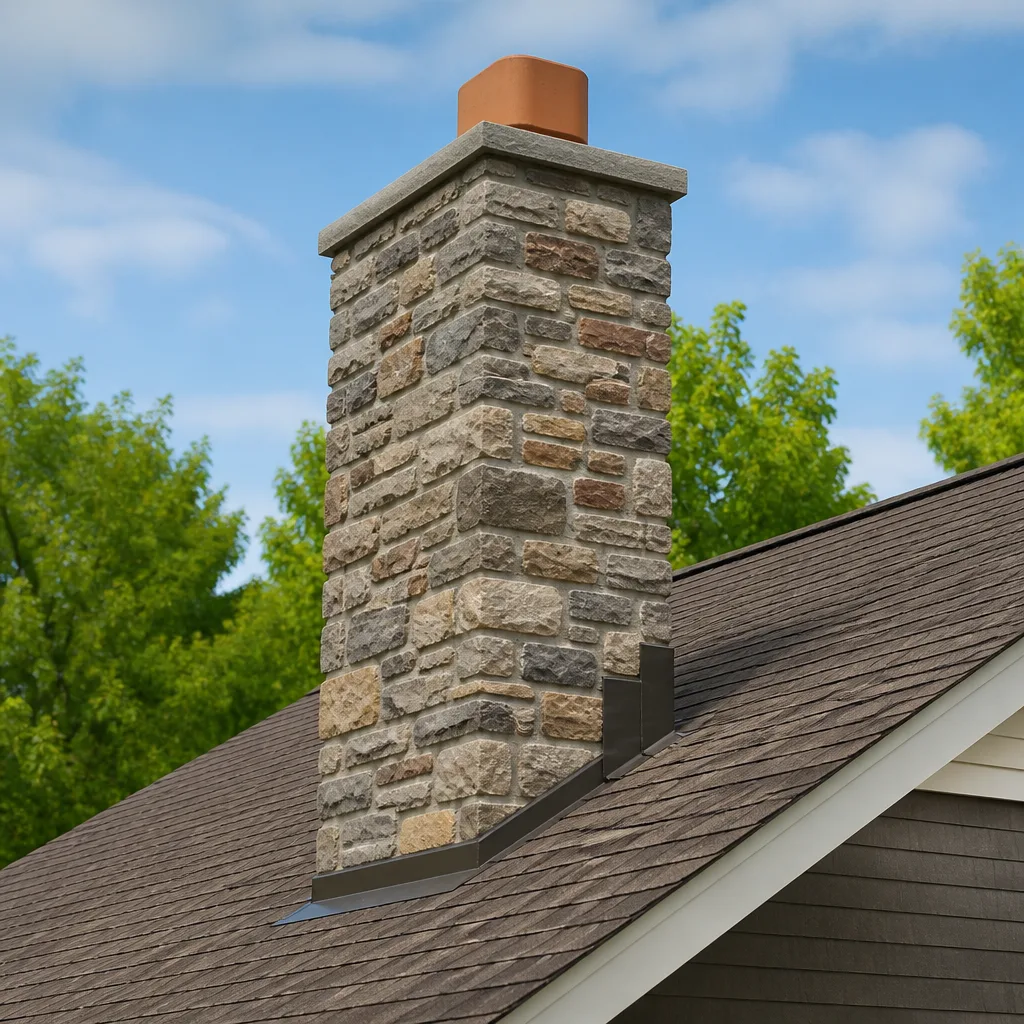 Masonry repair
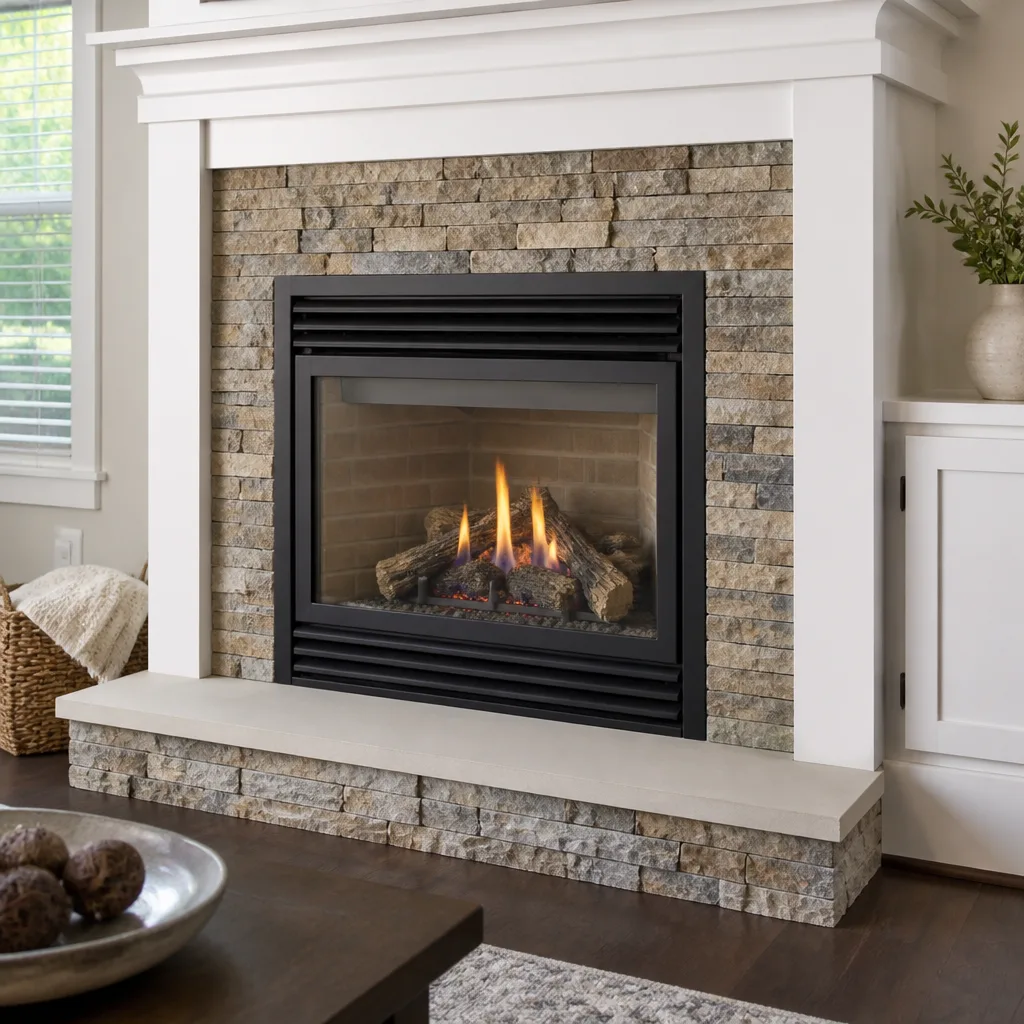 Gas fireplace service
Level 1 sweep and inspection to the NFPA 211 annual standard - flue, crown, cap, and flashing checked and photographed
Chimney sweep logs do not sweep chimneys. They loosen some creosote - which then falls where a brush and vacuum still have to collect it.
Chimney Cleaning Emergency Preparedness Guide for Far Rockaway Homes
Most homeowners assume a chimney fire announces itself with flames shooting from the roof. In reality, the fire that does the most damage often burns quietly inside the flue, fed by a thick bed of creosote, while the people in the living room notice nothing but a low rumble they mistake for the furnace. A chimney fire can reach temperatures above 2,000°F inside the flue, and the decision you make in the first few minutes – call 911 or try to contain it – depends entirely on whether your liner is already compromised. This guide walks through what a chimney fire looks and sounds like while it’s happening, what to do and in what order, why Far Rockaway’s geography makes an emergency plan different here than in mainland Queens, and how to prepare your chimney before the season so you never have to make that decision under pressure.
Quick Answer
If you think your chimney is on fire, close the damper, get everyone out of the house, and call 911. Then call FDNY Rockaway Beach. Do not try to fight a chimney fire with water or a suppressant before the fire department is on the way, and never use the fireplace again until a CSIA-certified sweep has inspected the flue, even if you see no obvious damage. For a suspected carbon monoxide problem tied to a blocked chimney, leave the building immediately and call 911 before anything else. Call (866) 937-8492 for post-fire inspection, blockages, or a pre-season safety check. We answer 24/7. Fast dispatch from 7am to 7pm, Sunday through Friday.
Styles & brands we work with
- Sweep & inspection
- Caps & crowns
- Flue relining
- Masonry repair
- Gas fireplace service
Table of Contents
- How to recognize a chimney fire while it’s happening
- What to do in the first three minutes of a chimney fire
- Why Far Rockaway’s geography changes your emergency plan
- Carbon monoxide emergencies and blocked chimneys
- Post-fire protocol: what must happen before you use the fireplace again
- Preparing your Far Rockaway chimney before burning season
- Creosote and the habits that build it
- Common mistakes to avoid
- When to call a professional
- Frequently asked questions
How to recognize a chimney fire while it’s happening
A chimney fire doesn’t always look like a fire. The most dangerous ones burn hot and slow inside a creosote glaze that has baked onto the flue walls over a season of burning, and the first hint is usually sound rather than sight. Homeowners describe a low roar, like a distant train or a wind tunnel, coming from the fireplace or the wall behind it. If you hear that noise while a fire is burning, treat it as a chimney fire until a professional tells you otherwise.
Here’s what to watch for, in order of how often we hear it reported:
- A roaring or rumbling sound from the firebox or flue – often the first sign, and easy to mistake for draft noise until you notice it doesn’t match the fire’s size.
- Sparks or flames visible from the top of the chimney cap when viewed from outside. This is the version people picture, but it’s not the most common.
- Heat radiating from the firebox surround – the masonry or metal face around the fireplace feels hot to the touch when it shouldn’t, or the wall above the firebox is noticeably warm.
- A sudden, dense puff of smoke into the room followed by a change in draft.
- Creosote flakes or ash falling into the firebox or landing on the roof, sometimes with a dark, oily sheen.
- A burning smell that doesn’t clear even after the fire dies down.
What makes this hard is that a small, smoldering chimney fire can burn itself out with no flames and no roar – just a hot flue and a cracked liner by morning. That’s why the post-fire rule below isn’t optional. Any event that makes you suspect a chimney fire, even one that seems to resolve on its own, needs an inspection before the fireplace is lit again. In Far Rockaway, where many chimneys serve homes that have been through decades of burning seasons, we’ve learned to take the quiet signs as seriously as the loud ones.
What to do in the first three minutes of a chimney fire
You have roughly three minutes to decide between calling 911 and attempting containment, and the right answer depends on whether your liner is already compromised. If you don’t know the condition of your liner, assume it is. That means: get out and call. A liner that has already cracked can let fire spread into the framing around the chimney, and no homeowner should be guessing about that mid-emergency.
Follow these steps in order:
- Close the damper. Starving the fire of oxygen slows it down and keeps smoke from pouring into the room. If the damper is already stuck open, leave it – don’t fight it while the fire is burning.
- Get everyone out of the house. Children, pets, and elderly family members first. Close the door behind you, but don’t lock it; the fire department will need to get in.
- Call 911, then call FDNY Rockaway Beach directly if your local house hasn’t been dispatched. Give the address, say “chimney fire,” and tell them whether you’ve seen flames or sparks from the roof.
- Do not spray water into the firebox. A sudden dump of water onto a hot flue can crack the liner or send steam and soot back into the room. Many suppressant products exist, but they are a last resort for a fire that’s already small and contained, and using one before the fire department is on the way is a mistake.
- From outside, check the roof and chimney cap for visible flames or sparks. If you see them, keep everyone well back and tell the dispatcher.
- Don’t re-enter until the fire department clears the building and confirms the fire is out – including the flue, which can hold heat long after the firebox looks cold.
One thing worth knowing before an emergency: if your home has a metal chimney cap, the cap and any bird screen can trap burning creosote flakes and drop them onto the roof or into the gutters. After the fire department leaves, check the roof for embers before you assume the danger has passed. And if the fire has damaged the cap or crown, that gets addressed at the same time as the flue inspection.
Why Far Rockaway’s geography changes your emergency plan
Far Rockaway sits at the end of the Rockaway peninsula, and there’s essentially one main route in and out. In normal weather that’s a minor inconvenience. In a storm, a flood, or a major fire that closes roads, it becomes the single most important factor in how you plan for a chimney emergency. Response from a mainland Queens firehouse is geographically longer than from the local Rockaway houses, and during a storm event, access routes can be restricted or blocked by flooding and debris. The practical takeaway is simple: don’t rely on a national hotline and a hope that someone gets through. Build a plan that works locally.
What a Far Rockaway emergency plan should include:
- Know your nearest firehouse. Keep the FDNY Rockaway Beach number written down somewhere visible, not just in your phone, in case the phone dies or you’re lending it to a family member.
- Identify two exit routes from the house and make sure everyone in the household knows them – including anyone who needs help getting out.
- Keep the area around the fireplace clear so a fire department crew can reach the firebox and so you’re not tripping on furniture while moving kids out the door.
- Have your chimney inspected before storm season – late summer or early fall, before the first cold snap and before the burning season gets underway. A liner that’s already cracked before a storm becomes a much bigger problem when the power goes out and the house fills with carbon monoxide from a blocked flue.
- Know the condition of your cap and crown. A cap or crown that’s loose or missing lets rain, birds, and storm debris into the flue. That’s a call for chimney cap & crown work, not a wait-and-see.
During a power outage, households on the peninsula often fall back on a fireplace or wood stove for heat. That’s a reasonable plan if the chimney is in good shape and the cap is intact. It’s dangerous if the flue is blocked or the liner has failed, because those are exactly the conditions that push carbon monoxide back into the living space.
Carbon monoxide emergencies and blocked chimneys
A blocked chimney can turn a working fireplace into a carbon monoxide source. Carbon monoxide is colorless and odorless, so there’s no way to smell it or see it coming; the only reliable signals are physical. If anyone in the home develops a headache, dizziness, nausea, or confusion while a fire is burning, or if a carbon monoxide alarm sounds, treat it as an emergency: get everyone out into fresh air, call 911, and don’t go back inside until the fire department says the building is safe. Don’t open windows and wait it out; get out.
What blocks a chimney in Far Rockaway:
- Bird and animal nests built inside the flue or on top of the cap screen. Birds love a warm flue, and a nest narrows the opening enough to reduce draft and back up smoke.
- Debris after storm surge and high wind events – leaves, twigs, shingles, and grit driven into the flue through a damaged or missing cap.
- Storm-deposited sand and grit around the exterior cap and crown, which can block the flue opening or hold moisture against the masonry. On the peninsula this is a real pattern in the days after a big Atlantic storm system.
- Creosote and soot buildup that narrows the flue over a season, which is why the sweep schedule matters.
- Nesting or debris inside the smoke chamber above the damper, less common but harder to see from the firebox.
The fix for most of these is a professional sweep and a camera inspection – not a flashlight and a broom from the hardware store. A camera lets the technician see the full run of the flue, including the sections you can’t reach from the firebox, and show you the pictures. That’s the whole point of a diagnostic-first approach: you know exactly what you have before the season starts, instead of finding out during a power outage.
Post-fire protocol: what must happen before you use the fireplace again
A chimney fire leaves damage you can’t see from the living room. Even a fire that burned hot and short can crack the flue liner, warp a damper, or drive enough heat into the masonry to loosen the crown. The rule is simple and it doesn’t bend: after any suspected chimney fire, the flue must be inspected by a CSIA-certified sweep before the fireplace is used again, regardless of visible damage. A liner that looks fine from the top can be failed halfway down.
What a proper post-fire inspection covers:
- Visual scan of the firebox and smoke chamber for cracks, spalling, or heat damage to the masonry.
- Camera inspection of the full flue to check the liner for cracks, gaps, and separation at the joints, especially on older clay-tile liners.
- Checking the damper for warping and the frame for heat damage.
- Looking at the chimney exterior – cap, crown, and flashing – for cracks or displacement from the heat or from debris that came off during the fire.
- Reviewing the liner type and condition to decide whether it needs restoration or full relining. If the liner is deteriorated, a ceramic resurfacing system like HeatShield can restore it as a UL-listed solution; if the original liner is beyond that, a flexible stainless liner is the standard route. We use DuraFlex for full relining because it’s a proven flexible stainless system, and we stock Olympia Chimney components for the same reason.
If the liner needs repair, that’s chimney repair work, and it’s not a job to put off. A failed liner is the single most common reason a chimney fire spreads into the framing of a home. The written estimate will tell you what’s needed and what the price is; nothing goes forward until you’ve seen the camera footage and understood the findings.
Preparing your Far Rockaway chimney before burning season
The best chimney emergency plan is the one you never have to use. Far Rockaway homes see a long burning season, and many have older masonry chimneys that have been through decades of hot-and-cold cycling. Add the peninsula’s storm exposure – wind-driven rain, salt-free but humid ocean air, and storm surges that dump grit on the roof – and the chimney takes a beating before the first fire of the year.
Here’s the pre-season routine we recommend:
- Book a sweep and inspection together in late summer or early fall, ideally before the first cold snap. A chimney sweep clears soot and creosote; the inspection tells you what shape everything is in.
- Have the flue scanned with a camera. Ask to see the footage. This is the difference between a guess and a diagnosis.
- Check the cap and crown. A missing cap lets birds and storm debris into the flue. A cracked crown lets water into the masonry, which freezes, expands, and cracks the chimney further.
- Test every smoke and carbon monoxide detector and replace the batteries. Note the age of each unit; detectors have a lifespan printed on the label and should be replaced when they reach it.
- Clear the roof and gutters of leaves and branches before the first storm system of the season.
- Agree on a household fire plan – two exits, a meeting spot, and the firehouse number written down.
If you burn regularly, the sweep itself should happen once a season, and the inspection at least annually. If you burn a lot of soft or unseasoned wood, plan for more frequent sweeps – the creosote builds faster. For a full pre-season review of your chimney and fireplace, the chimney sweep service is the starting point, and we’ll bring the camera.
Creosote and the habits that build it
Creosote is the fuel for almost every chimney fire. It’s the residue left behind when wood smoke cools inside the flue, and it comes in three forms: a soot-and-ash coating that’s easy to sweep, a crunchy flake layer, and a glossy, tar-like glaze that’s the most dangerous because it ignites at a lower temperature and burns hot. A flue lined with glazed creosote is a loaded gun waiting for a hot fire.
What makes creosote accumulate faster:
- Burning unseasoned or green wood. Wet wood produces more smoke, and more smoke means more creosote. Seasoned hardwood is the standard for a reason.
- Restricting the air supply. Closing the damper too far or burning with a smoldering, low-oxygen fire drives creosote buildup.
- Skipping sweeps. Each season adds a layer, and the layer thickens faster than a once-a-year schedule can keep up with.
- Burning trash or paper. Wadded-up paper and cardboard flare hot and produce fly ash that coats the flue.
- A cold or oversized flue. If the flue is too large for the fireplace, smoke cools before it can exit and lays down creosote on the way up.
The good news is that creosote is removable. A professional sweep with the right brushes and a shop vacuum gets the flue clean, and a camera inspection confirms it’s actually clean rather than just looks better from the top. chimney sweep service through Chimney Sweep Far Rockaway includes the sweep and the inspection together so you know where you stand before you light the next fire.
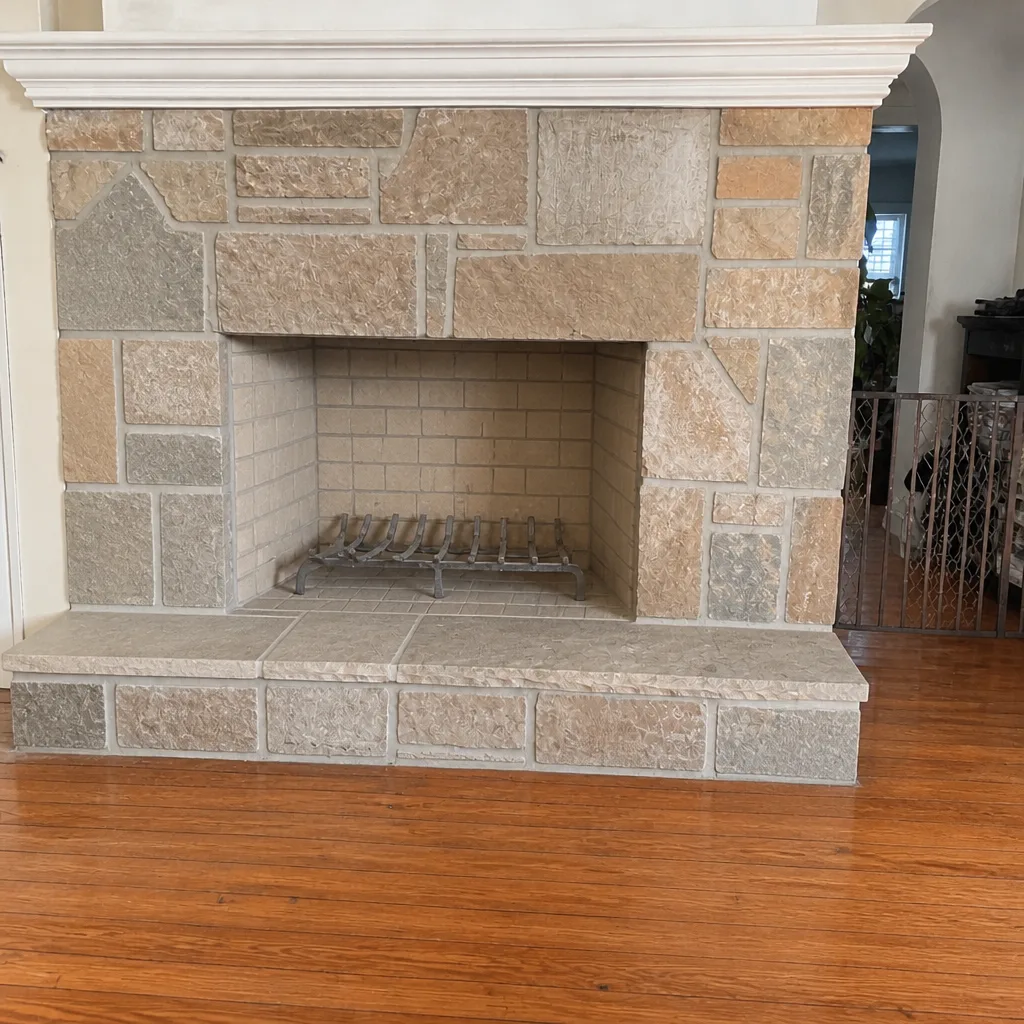
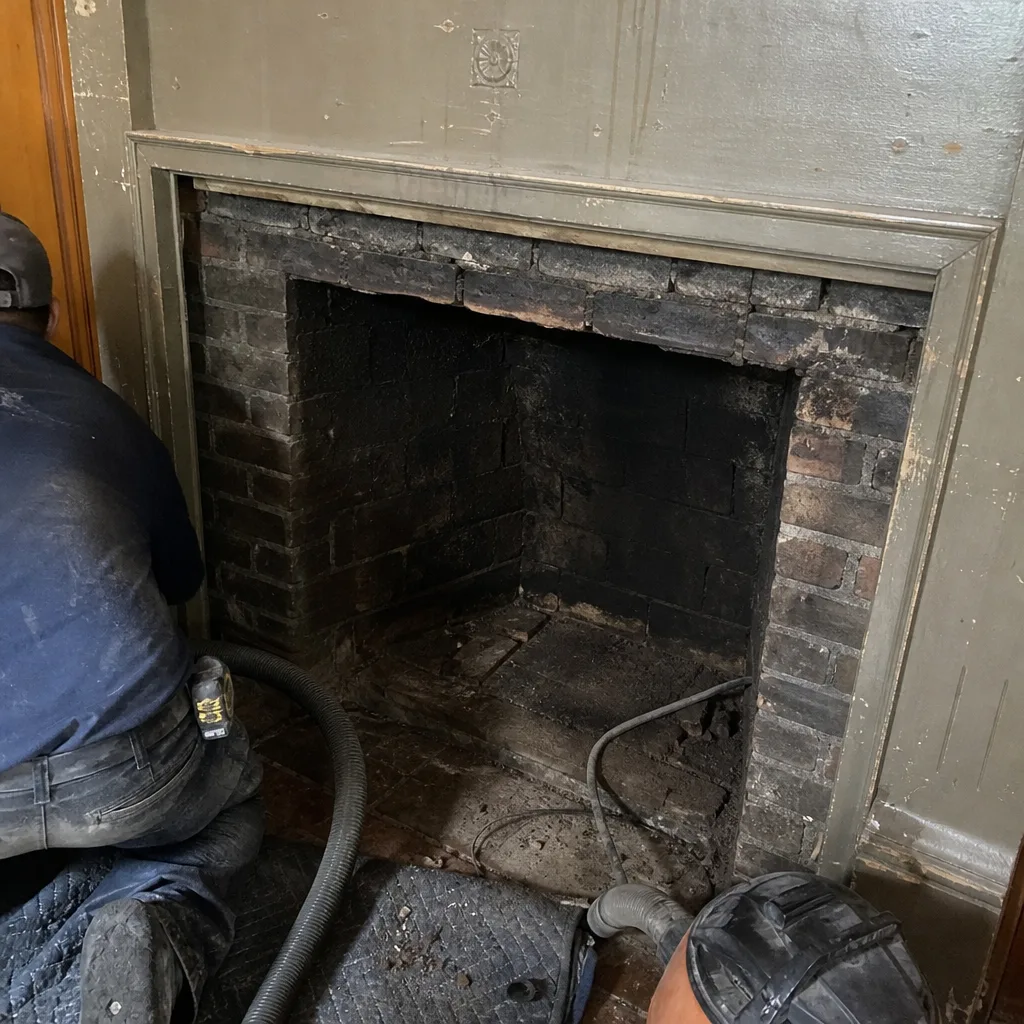
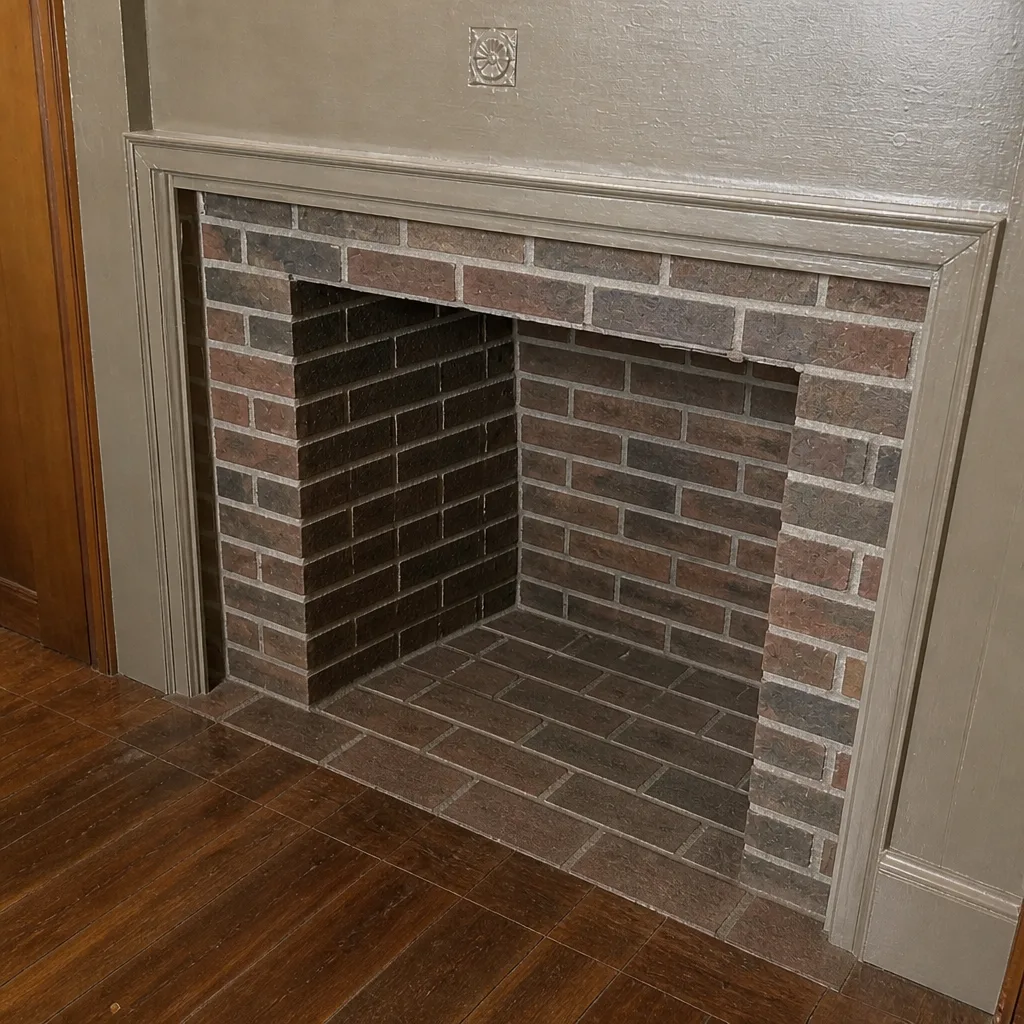
See the difference
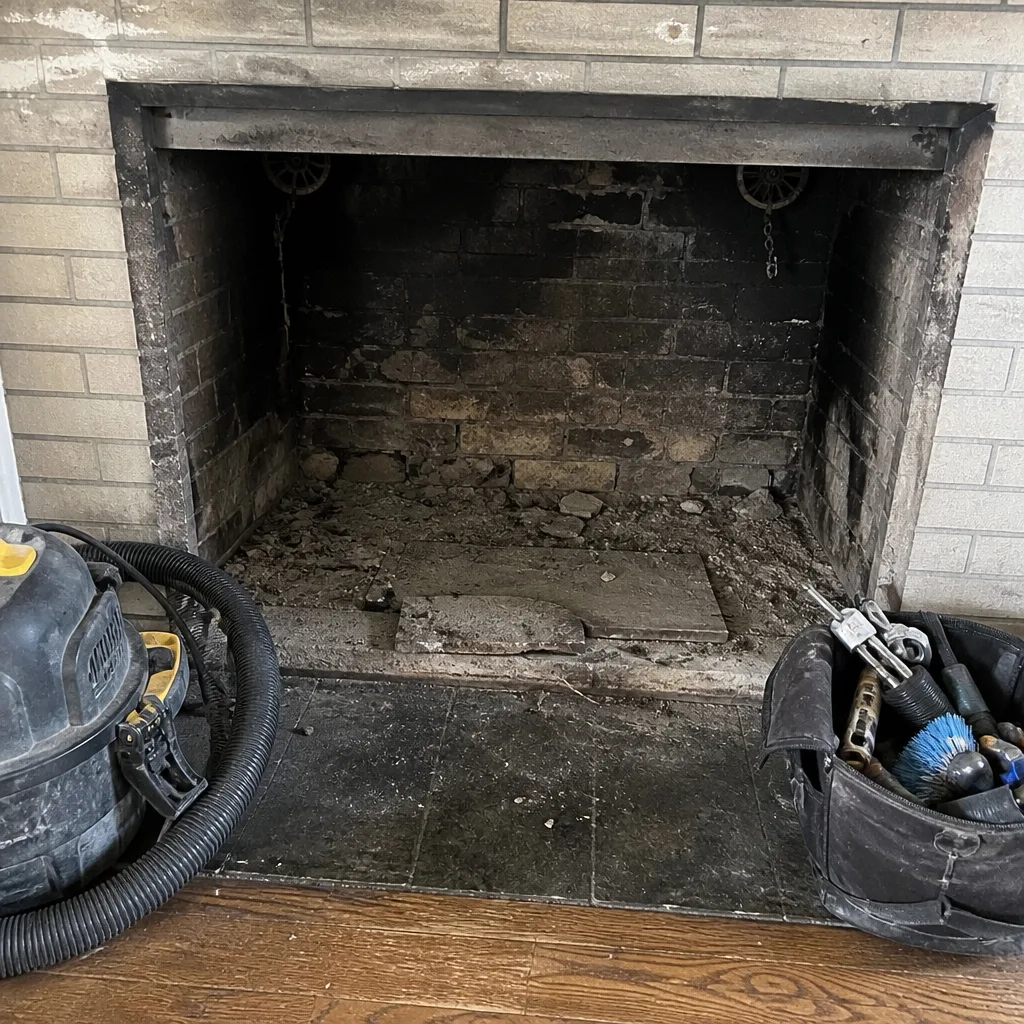 Before
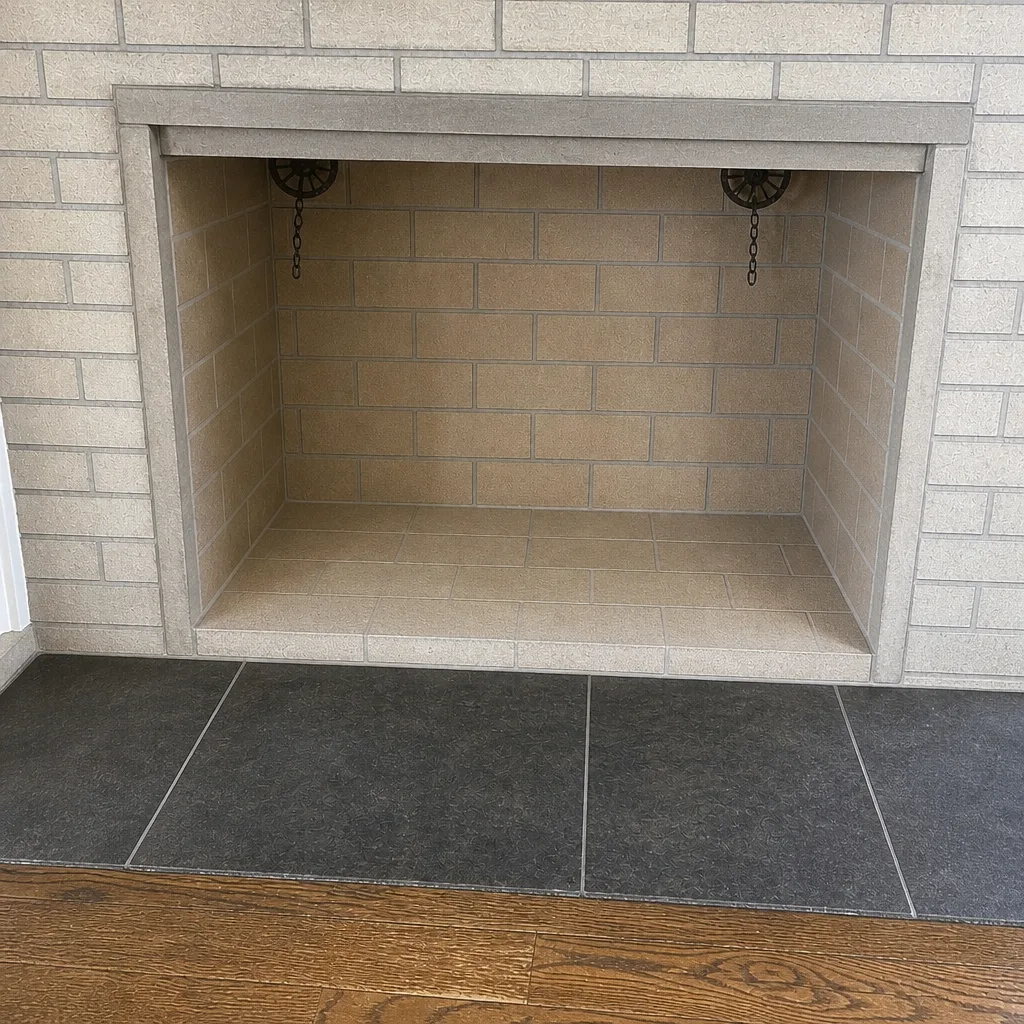 After
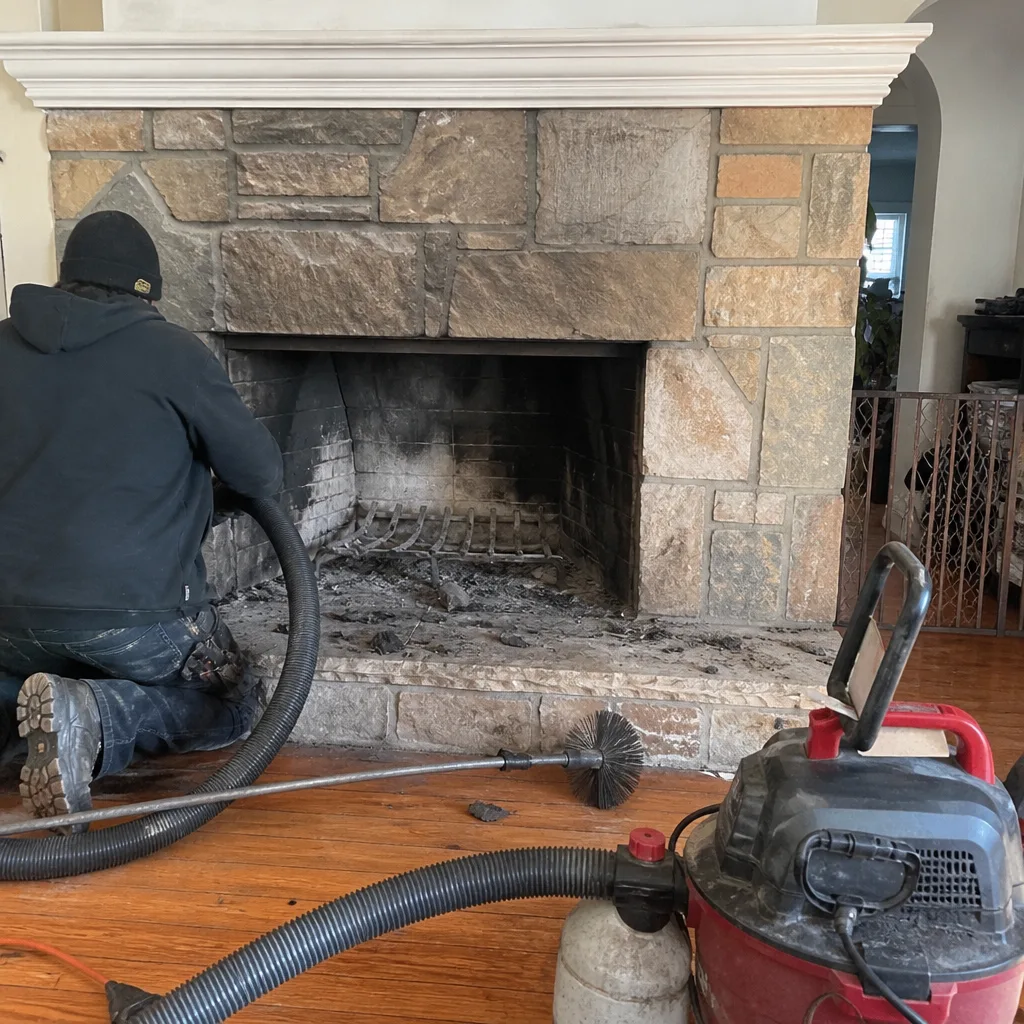 Before
 After
 Before
 After
Common Mistakes to Avoid
- Assuming a quiet chimney fire isn’t a real fire. The slow, smoldering version does more structural damage than the dramatic one. If you heard a roar or felt unusual heat around the firebox, treat it as a fire and get the flue inspected, full stop.
- Using the fireplace again after a fire without an inspection. The most dangerous chimney in Far Rockaway is the one that had a small fire last season and never got checked. A cracked liner doesn’t heal, and it doesn’t announce itself.
- Ignoring a missing or damaged chimney cap. On the peninsula, a damaged cap lets birds, rain, sand, and storm debris straight into the flue. That’s a carbon monoxide risk, not just a draft problem.
- Trying to fight a chimney fire with a garden hose. Water on a hot flue can crack the liner and send steam and soot into the room. Get out and call 911 first.
- Skipping the camera inspection on an older masonry chimney. A flashlight from the firebox can’t see the upper flue, which is exactly where the cracks hide. Ask for the camera footage.
- Burning unseasoned wood to save a season. Green wood smokes more and builds creosote faster. Dry hardwood costs less per season in sweeps and repairs than wet wood does in damage.
- Waiting for a power outage to find out the flue is blocked. A pre-season sweep solves this before the storm, not during it.
When to Call a Professional
Call a professional if you’ve had a chimney fire or suspect you had one, even a small one. Call if you smell smoke in the house when there’s no fire burning, if the firebox surround feels hot, or if the wall above the fireplace is warmer than it should be. Call if you see creosote flakes falling into the firebox, if the chimney cap is loose, missing, or packed with debris, or if you haven’t had the flue swept in a season and you’ve been burning regularly. Call if there’s carbon monoxide danger: a detector that sounds, or flu-like symptoms in the household while a fire is burning. Finally, call before the season starts if you want a camera inspection and a clear plan. Chimney Sweep Far Rockaway offers free estimates in Far Rockaway – call (866) 937-8492. Our technicians have up to 8 years of experience, and we’ll show you what we find before recommending any work.
Frequently Asked Questions
A chimney fire usually sounds like a low roar or rumbling from the firebox or the wall behind the fireplace, like a distant train or a wind tunnel. You may also hear popping or crackling that’s louder than the normal fire noise, and sometimes a hissing sound if moisture is in the flue. If you hear it while a fire is burning, close the damper, get everyone out, and call 911, then call FDNY Rockaway Beach. Then call (866) 937-8492 for the post-fire inspection – estimates are free.
Yes. The most common post-fire damage is a cracked flue liner, and it’s often invisible from the firebox. Heat from a chimney fire can reach temperatures above 2,000°F and crack a clay liner or warp a damper without any outward sign. Use the fireplace before an inspection and you’re burning into a damaged flue. Call (866) 937-8492 to book the inspection before the next fire – estimates are free.
The classic signs of a blocked chimney are smoke backing into the room when a fire is burning, a fire that’s sluggish to draw, soot falling from the firebox, and a burning smell in the house when no fire is lit. A carbon monoxide alarm sounding, or a headache or dizziness while the fire is burning, is a medical emergency – get out and call 911. For a blockage from nests or storm debris, call (866) 937-8492 for a sweep and a camera inspection – estimates are free.
Once a season if you burn regularly, with a full inspection at least annually. Homes that burn often, burn soft wood, or have an older masonry chimney may need the sweep more often. The right answer for your flue comes from a camera inspection, not a general rule of thumb. Call (866) 937-8492 to schedule a pre-season sweep and inspection – estimates are free.
The peninsula has essentially one main route in and out, so during a storm, flood, or major fire, roads can be restricted and a mainland response is geographically longer than from the local firehouse. That’s why a local plan – knowing your nearest firehouse, having two exits, and getting the chimney inspected before storm season – matters more here than in mainland Queens. For a pre-season inspection, call (866) 937-8492 – estimates are free.
Not usually an acute emergency, but don’t ignore it. A damaged or missing cap lets birds, rain, and storm sand into the flue, and on the peninsula that’s a recurring pattern after a big Atlantic storm system. It’s a real carbon monoxide risk if a nest or debris blocks the flue. Book a sweep and inspection before the next fire. Call (866) 937-8492 – estimates are free.
The Bottom Line
A chimney fire burns hot enough to crack a liner before you notice anything from the living room, and the three-minute decision that follows depends on whether that liner is already compromised. The safe default is: close the damper, get everyone out, call 911, then call FDNY Rockaway Beach. Don’t fight it with water, and don’t use the fireplace again until a CSIA-certified sweep has inspected the flue – no matter how small the fire seemed. In Far Rockaway, the peninsula’s one-road geography makes a local emergency plan more important than a national hotline. The best move is the one you make before the season: a sweep and a camera inspection, a cap and crown check, working CO detectors, and two exits everyone knows. Call (866) 937-8492 for a free estimate. We answer 24/7. Fast dispatch from 7am to 7pm, Sunday through Friday.
Written by the team at Chimney Sweep Far Rockaway.