
Last updated November 25, 2026
 Sweep & inspection
 Caps & crowns
 Flue relining
 Masonry repair
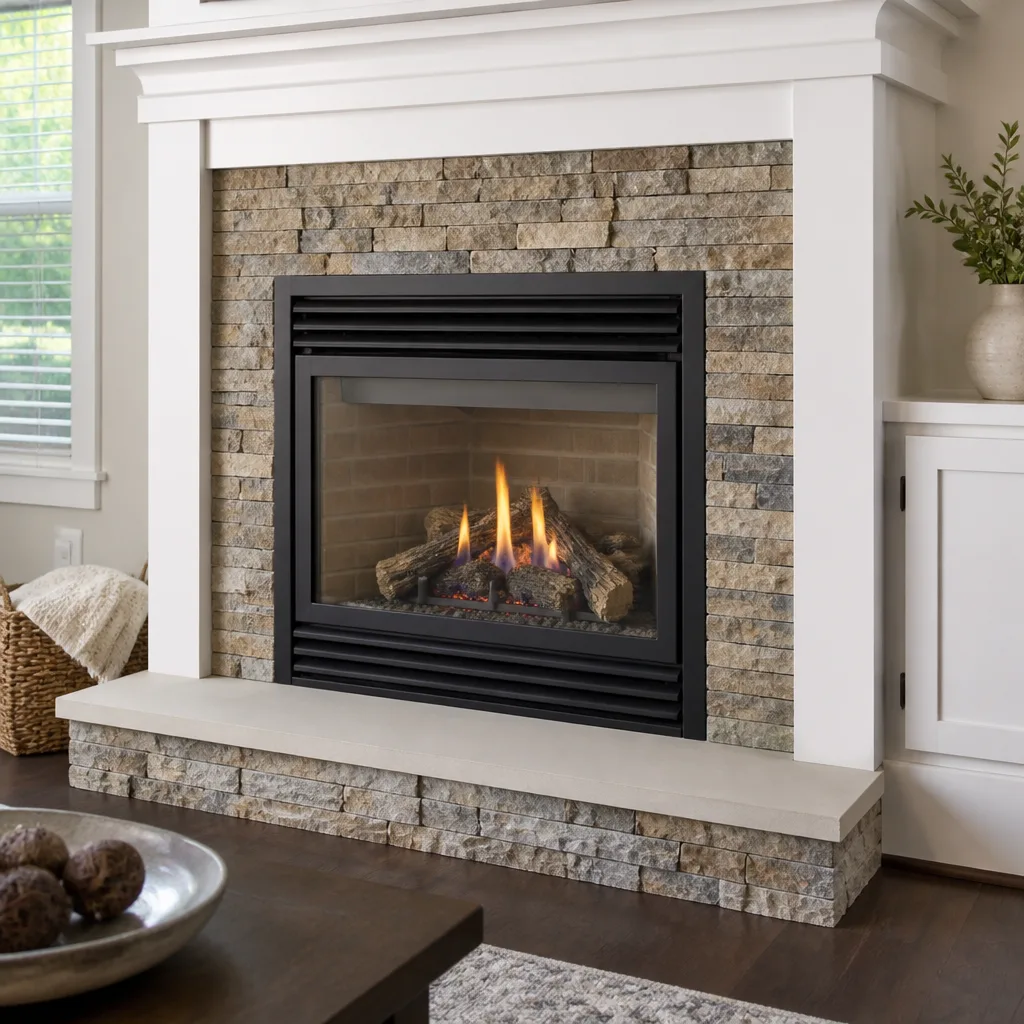 Gas fireplace service
Level 1 sweep and inspection to the NFPA 211 annual standard - flue, crown, cap, and flashing checked and photographed
Chimney sweep logs do not sweep chimneys. They loosen some creosote - which then falls where a brush and vacuum still have to collect it.
Chimney Cleaning Permits, Codes & Inspections in Far Rockaway, NY: What You Need to Know
Nobody expects a permit to clean a chimney, and that intuition is correct. What surprises Far Rockaway homeowners is what happens right after the sweep: when the technician comes down off the roof and tells you the flue needs relining or the crown needs rebuilding, that same job usually does need a permit, and pulling the old liner without one can complicate your certificate of occupancy before a fire is ever lit. This guide explains the line between routine maintenance and permitted repair work in Queens County, what inspectors actually look at, and how to check a contractor’s Department of Buildings registration before you authorize anything. It’s the background we walk through with Far Rockaway customers before repair work begins.
Quick Answer
A standard chimney cleaning in Far Rockaway, NY does not require a permit. Structural work on that same chimney does. Liner replacement, masonry rebuilding, crown reconstruction and work that changes the chimney’s configuration generally fall under NYC Building Code Section 28-105, which is the section governing work permits issued by the Department of Buildings. Routine sweeping and maintenance fall outside it. Inspection is a separate matter entirely: it’s the diagnostic step that tells you which category your chimney is in.
Styles & brands we work with
- Sweep & inspection
- Caps & crowns
- Flue relining
- Masonry repair
- Gas fireplace service
Table of Contents
- Do you need a permit to clean a chimney in Far Rockaway?
- NYC Building Code Section 28-105 and your chimney
- Routine maintenance versus permitted structural repair
- When an FDNY inspection is triggered
- How to verify a contractor’s DOB registration in New York City
- What “code-compliant” means for inserts versus open masonry fireplaces
- How unpermitted work affects your certificate of occupancy
- What a proper chimney inspection covers
Do you need a permit to clean a chimney in Far Rockaway?
No. Sweeping a flue is regular maintenance, and no permit is issued for maintenance in New York City. The same logic applies to a basic cleaning brush run, a visual check of the firebox, and removing creosote from the flue. Those are the ordinary tasks of keeping a chimney in service, and Far Rockaway homeowners schedule them without any paperwork at all.
The reason this question comes up so often is that cleaning rarely happens in isolation. A sweep is a diagnostic opportunity. Once the creosote is out of the way, the technician can actually see the flue liner, the smoke chamber, the crown and the mortar joints above the roofline. That’s the point where a routine service visit turns into a conversation about repair, and repair is a different category with different rules.
Here’s how the two categories break down in practice:
- No permit: chimney sweep and cleaning, visual inspection, cap inspection, removing a bird nest or debris blockage, tightening a loose cap.
- Permit likely required: replacing the flue liner, rebuilding the chimney crown, repointing extensive masonry, replacing a prefabricated chimney section, altering the flue’s configuration or height.
We treat the sweep and the inspection as separate services for exactly this reason. You get a clear picture of your chimney’s condition before anyone recommends work, permits included. If the answer is “your flue is fine, nothing to do,” that’s a legitimate outcome and we say so. If the answer is “this needs a reline,” you’ll hear about the permit as part of the conversation, not as a surprise later.
One more point specific to the Rockaways: many homes here were built and rebuilt across decades, and chimneys aren’t always the ones that were originally installed. A sweep can’t tell from the firebox alone whether the flue behind the wall matches the appliance in front of it. A proper inspection can. For a starting point on what routine service looks like, see our chimney sweep page.
NYC Building Code Section 28-105 and your chimney
Section 28-105 of the New York City Building Code is the general construction permits section. It sets out when a permit from the Department of Buildings is required before work begins, and chimney work is not carved out as an exception. When a job involves replacing a flue liner, rebuilding masonry, altering a chimney structure, or installing a new appliance with its own flue requirements, the work is treated as construction activity and falls under that section.
What that means for a Far Rockaway homeowner:
- Get the scope in writing. A written estimate should state exactly what’s being replaced or rebuilt, not just “chimney repair.”
- Ask whether the job triggers a permit. The answer should be immediate and specific, not vague.
- If a permit is required, the licensed contractor files for it. In New York City, that’s generally the person holding the appropriate license or registration, not the homeowner.
- Keep the permit and the final sign-off with your home records. Future buyers and their attorneys will ask for them.
Liner work is where this comes up most. A deteriorated clay liner can often be restored with a ceramic resurfacing system like HeatShield rather than replaced outright, and resurfacing is often less invasive than a full reline. But “less invasive” isn’t the same as “no permit question.” The scope of what’s actually happening to the flue determines the answer, not the product name.
When a full reline is the right call, we work with flexible stainless systems such as DuraFlex, which are standard for relining jobs across the industry. The material matters for performance; the permit status matters for your property records. Both deserve a straight answer before a single piece of the old liner comes out. Our chimney repair page covers the repair categories in more detail.
Routine maintenance versus permitted structural repair
The single most useful distinction in this whole guide is the one between maintenance and structural repair. Maintenance keeps a chimney working. Structural repair changes it. And in Far Rockaway, the same roof can present both on the same visit, which is why the line gets blurry.
Routine maintenance (no permit):
- Annual sweep to clear creosote and soot from the flue
- Visual inspection of the firebox, damper, smoke chamber and flue
- Removing a nest, leaves or debris blocking the flue
- Checking and re-seating a cap that’s come loose
- Minor cleaning around the firebox and hearth
Structural repair (permit likely required under Section 28-105):
- Replacing a cracked or delaminating flue liner
- Rebuilding a deteriorated chimney crown or the top courses of masonry
- Repointing large sections of brick above the roofline
- Replacing a section of a prefabricated metal chimney
- Changing the height or configuration of the flue
- Installing a new wood-burning insert with its own liner requirements
Caps and crowns sit right on the seam. Replacing a loose cap is a maintenance-level fix. Rebuilding a crown that’s cracked and shedding water into the masonry is a structural repair. We see more crown problems in Far Rockaway than flue problems, honestly, and a failed crown is one of the most common reasons water gets into a chimney and starts the slow decline of everything below it. Our chimney cap & crown page explains what each part does and which one you’re actually looking at.
The practical takeaway: don’t judge the permit question by the size of the invoice. Judge it by whether the work changes the structure. A small crown rebuild is still structural. A large cleaning is still maintenance.
When an FDNY inspection is triggered
The FDNY is not the department that issues building permits. That’s the Department of Buildings. But FDNY does have a role in chimney and fireplace safety, and understanding the split keeps you from getting the runaround.
The Fire Department’s concern is the safe operation of the appliance and the flue: that smoke and carbon monoxide go up and out, that the chimney isn’t a fire hazard, and that the installation isn’t creating a risk to occupants. Situations that commonly bring fire-safety scrutiny to a residential chimney system include:
- A chimney fire or a report of one
- A carbon monoxide alarm activation traced to the fireplace or flue
- A complaint about smoke or odor from a chimney
- An installation that a previous owner did without review
What they’re looking for in a residential chimney system is straightforward: an intact flue of the correct type for the appliance, proper clearances to combustible materials, a functioning damper, a chimney that terminates correctly above the roofline, and no signs that creosote has been allowed to accumulate to a dangerous level. A failed liner or a blocked flue is exactly the kind of thing that turns a routine concern into a real safety issue.
When FDNY or the Department of Buildings has already been involved, the repair conversation usually comes with a paper trail. We can work with that. What we won’t do is promise a particular inspection outcome or tell you a job will “pass” before anyone has looked at it. The honest sequence is inspection first, then a scope of work, then the permit question, then the repair.
If you want a clear picture of your chimney’s condition before the season starts, that’s the right order to do it in.
How to verify a contractor’s DOB registration in New York City
Before you authorize any repair work on your Far Rockaway chimney, check who you’re hiring. New York City maintains public records on licensed and registered contractors through the Department of Buildings, and those records are available to any homeowner. You don’t need an attorney to look.
Here’s the sequence we recommend:
- Ask for the license or registration number in writing on the estimate or contract. A legitimate contractor provides it without hesitation.
- Look it up in the DOB’s online licensing records. The city’s database shows whether a license or registration is active, expired or revoked.
- Confirm the name matches. The entity on the license should match the entity on the contract. Similar names are a red flag.
- Ask who will pull the permit if one is required. It should be the licensed contractor, and their name should appear on the filing.
- Get the scope, the price and the permit status in writing before work starts. Verbal scopes are how disputes begin.
- Keep the final sign-off if a permit was pulled. It goes in your home records with the deed.
The reason this matters more than it seems: unpermitted structural chimney work doesn’t disappear. It sits in the building record as a gap, and that gap can surface years later during a sale, a refinance or a CO review. The homeowner who authorized the work is the one who inherits the problem, not the contractor who did it.
One distinction worth holding onto: a company that connects homeowners with independent local professionals is not the same as the licensed professional performing the work. The pro doing the job is licensed and insured as their state requires, and it’s their registration that should be verified. We’ll always tell you who’s doing what and point you to the paperwork, but the verification step is yours to complete, and it’s worth doing.
What “code-compliant” means for inserts versus open masonry fireplaces
“Code-compliant” gets thrown around a lot, and it means different things depending on what’s burning in your fireplace. A wood-burning insert and an open masonry fireplace are governed by different expectations under current NYC standards, and the chimney that serves each one is sized and configured differently.
Open masonry fireplace:
- Relies on a clay tile flue liner, or a liner appropriate to the flue’s condition
- Needs an intact liner with no cracks, gaps or missing mortar joints between tiles
- Requires proper clearance from combustible framing and materials
- Needs a correctly sized flue opening relative to the firebox for adequate draft
- Needs a damper that operates and a chimney that terminates above the roofline as required
Wood-burning insert:
- Must be listed for use in a fireplace and installed per the manufacturer’s instructions
- Typically requires a dedicated liner running the full height of the flue, sized to the insert’s outlet
- Needs the annular space around the liner handled per the manufacturer’s requirements
- Needs clearances to combustibles that match the insert’s listing, not the original fireplace’s
- Often requires a block-off plate at the damper to prevent heat loss and draft problems
Here’s the part homeowners miss: dropping an insert into a fireplace without addressing the flue doesn’t make the system compliant. It makes an old problem harder to see. An insert connected to an oversized, unlined or damaged flue will draft poorly and can allow creosote to accumulate in places a brush can’t reach. That’s how a “code-compliant” label gets applied to a system nobody has actually inspected.
This is also where the right product matters. We use HeatShield ceramic resurfacing when a liner is deteriorated but still structurally sound enough to restore rather than replace, and DuraFlex stainless systems when a full reline is the correct answer. Different tools, different jobs. A cap from Copperfield or a component from Famco might be the right fit for a particular installation, and it might not be for the next one. The chimney decides, not the catalog.
Compliance isn’t a product you buy. It’s the result of matching the appliance, the flue and the installation to what the code and the manufacturer both require. Inspection is how you find out where you stand.
How unpermitted work affects your certificate of occupancy
This is the part of the story that lands hardest for Far Rockaway homeowners, and it’s the reason we lead with it. A certificate of occupancy is the document that says a building is approved for its stated use. When structural work happens without a permit, the work doesn’t appear in the record, and the CO doesn’t reflect what’s actually been built.
The practical consequences surface at the worst possible moments:
- During a sale: a buyer’s attorney or inspector reviews the building record and finds chimney work that has no permit and no sign-off. The sale can stall while the seller goes back and legalizes the work, sometimes at significant cost.
- During a refinance: lenders reviewing the property can flag the same gap.
- During a CO review: if the Department of Buildings reviews the property, unpermitted work becomes a compliance issue rather than a paperwork oversight.
- During an insurance claim: a fire or loss traced to unpermitted work can complicate how a claim is handled. We’re not insurance professionals, but the paper trail matters.
The fix isn’t complicated, but it does need to happen before the work, not after. If a reline or a crown rebuild is the right call, the permit gets pulled, the work gets done, the inspection gets signed off, and the record stays clean. If the work truly is maintenance-level, no permit is needed and nothing has changed in the record.
The dangerous middle ground is the one where a homeowner hears “your liner is shot” and authorizes a tear-out on the spot. Don’t do that. Ask for the scope in writing. Ask whether a permit is required. Ask what happens if it isn’t pulled. A contractor who can answer those three questions clearly is a contractor worth keeping. One who can’t is a reason to get a second opinion.
What a proper chimney inspection covers
Inspection is where all of this becomes concrete, and it’s the service most people skip. A proper inspection is a diagnostic process, not a checkbox before a sales pitch. It should tell you what you have, what condition it’s in, and what, if anything, needs to happen next. Our technicians have up to 8 years of experience, and the inspection is where that experience earns its keep.
A thorough inspection evaluates:
- The flue: liner condition, gaps, cracks, obstructions and creosote level
- The firebox and smoke chamber: cracks, missing mortar, damaged panels
- The damper: whether it opens, closes and seals
- The crown and cap: cracking, spalling, missing components, animal intrusion
- The exterior masonry: repointing needs, water damage, lean or movement
- The appliance: whether what’s installed matches what the flue is designed to serve
- Clearances to combustible materials around the chimney and in the attic
Depending on what’s found, the recommendation falls into one of three buckets: nothing needed yet, maintenance-level work, or permitted structural repair. All three are legitimate answers, and we give all three. If your chimney can safely wait until next season, you’ll hear that. If it can’t, you’ll hear why, in plain terms, with the evidence behind it.
For homeowners in Far Rockaway who burn regularly, the inspection is the annual habit that prevents the repair. It’s how you catch a hairline crown crack before it becomes a rebuild, and how you catch a failing liner before it becomes a CO problem. The sweep keeps the flue clear; the inspection keeps the whole system honest. For the broader starting point, our Chimney Sweep Far Rockaway page lays out the full range of what we do.
Common Mistakes to Avoid
- Authorizing a reline on the spot, before any written scope. A verbal diagnosis followed by an immediate tear-out leaves you with no paper trail and no way to verify what was actually found. Get the scope in writing, including whether a permit is required, before anyone touches the flue.
- Assuming the sweep’s company is the licensed contractor. The company that connects you with a professional and the licensed professional performing the work can be two different entities. Verify the credentials of the person actually doing the job.
- Treating the crown as cosmetic. A cracked crown lets water into the masonry, and in the Rockaways, where freeze-thaw cycles across winter work on brick, that water does damage that doesn’t show up for seasons. A crown that’s shedding water is a structural issue, not a look issue.
- Skipping the inspection because the chimney “still drafts.” Drafting well and being safe are two different things. A flue can pull fine and still have a cracked liner behind the first tile.
- Installing an insert without verifying the flue. A new insert connected to an unlined or damaged flue creates a system nobody has approved. The insert is listed; the installation might not be.
- Burning green or unseasoned wood to “clean out” the flue. It does the opposite. It deposits more creosote, and creosote is the fuel a chimney fire needs. Use seasoned wood, and keep the flue clear the old-fashioned way.
- Ignoring the building record at resale. Unpermitted chimney work from years ago comes up during a sale, and the seller is the one who has to fix the paperwork. Keep permit sign-offs with your home records.
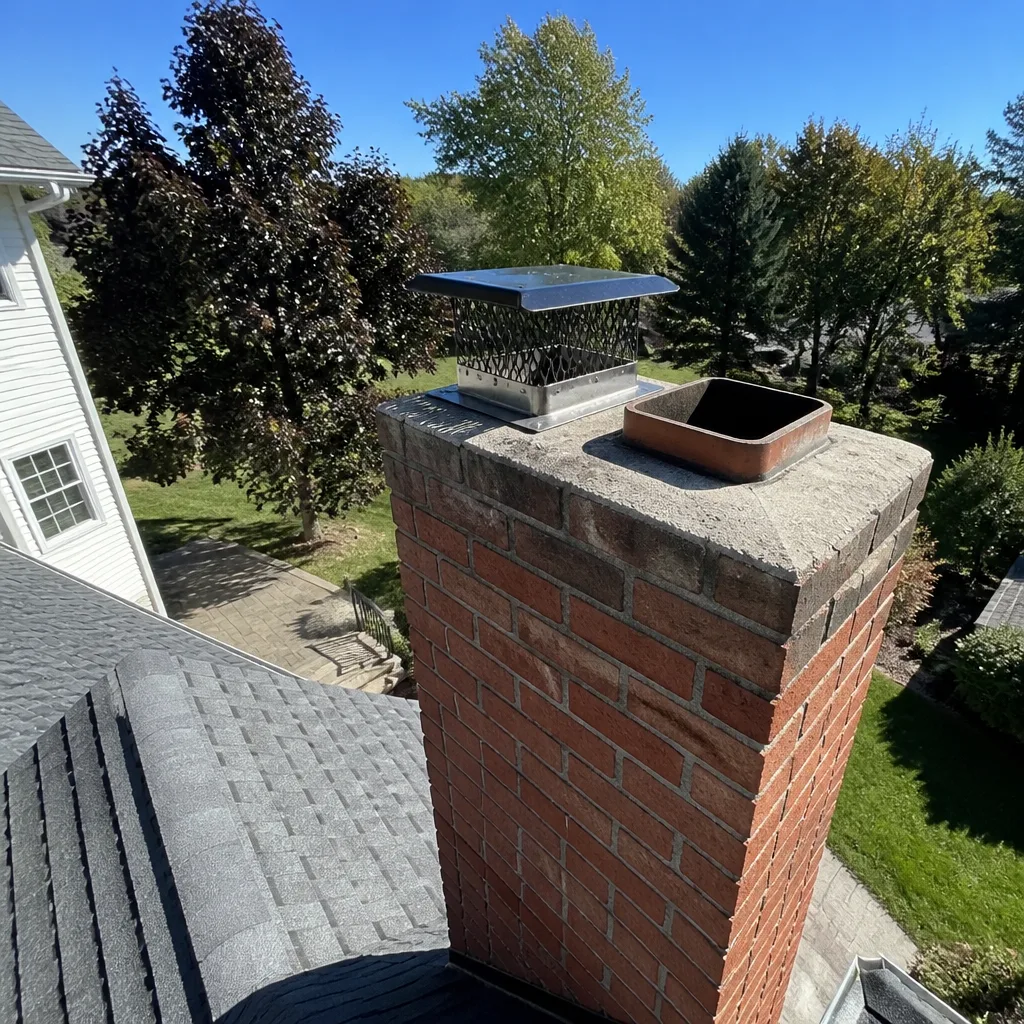
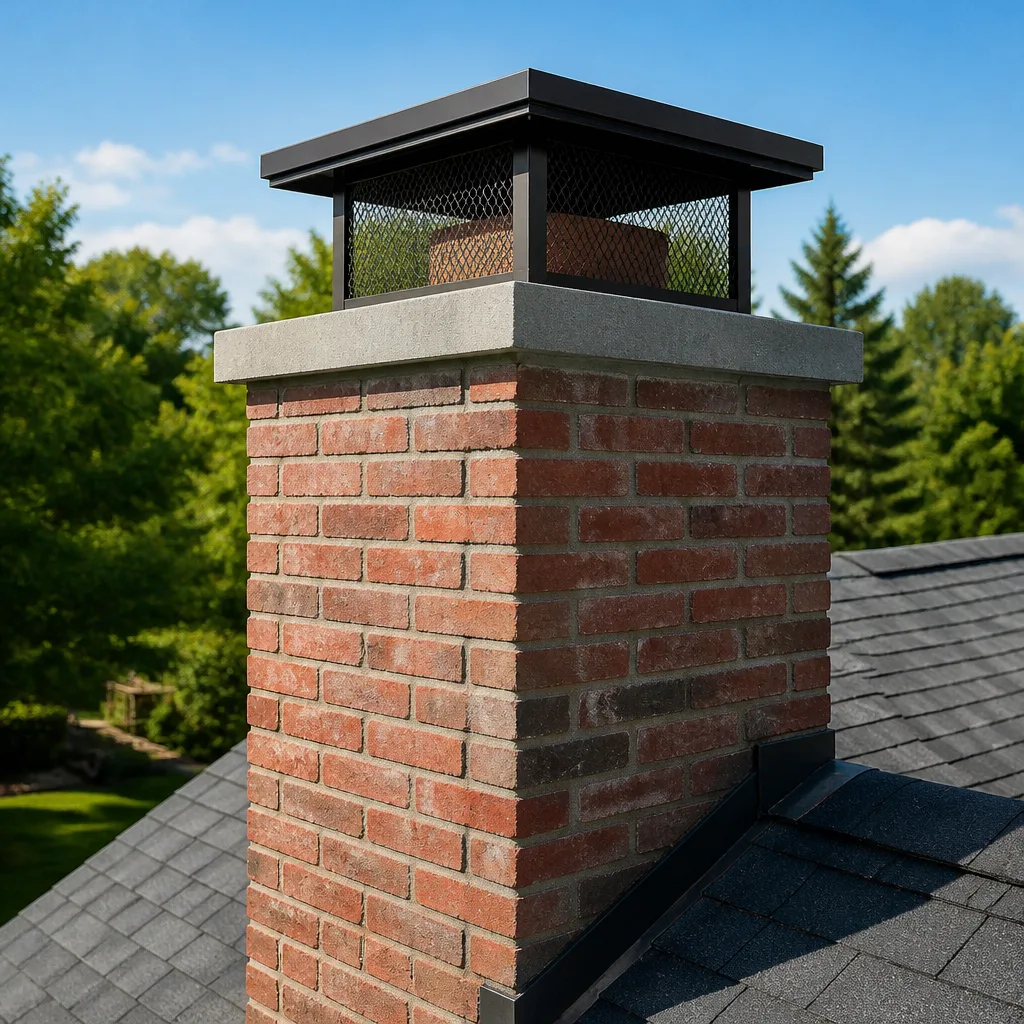
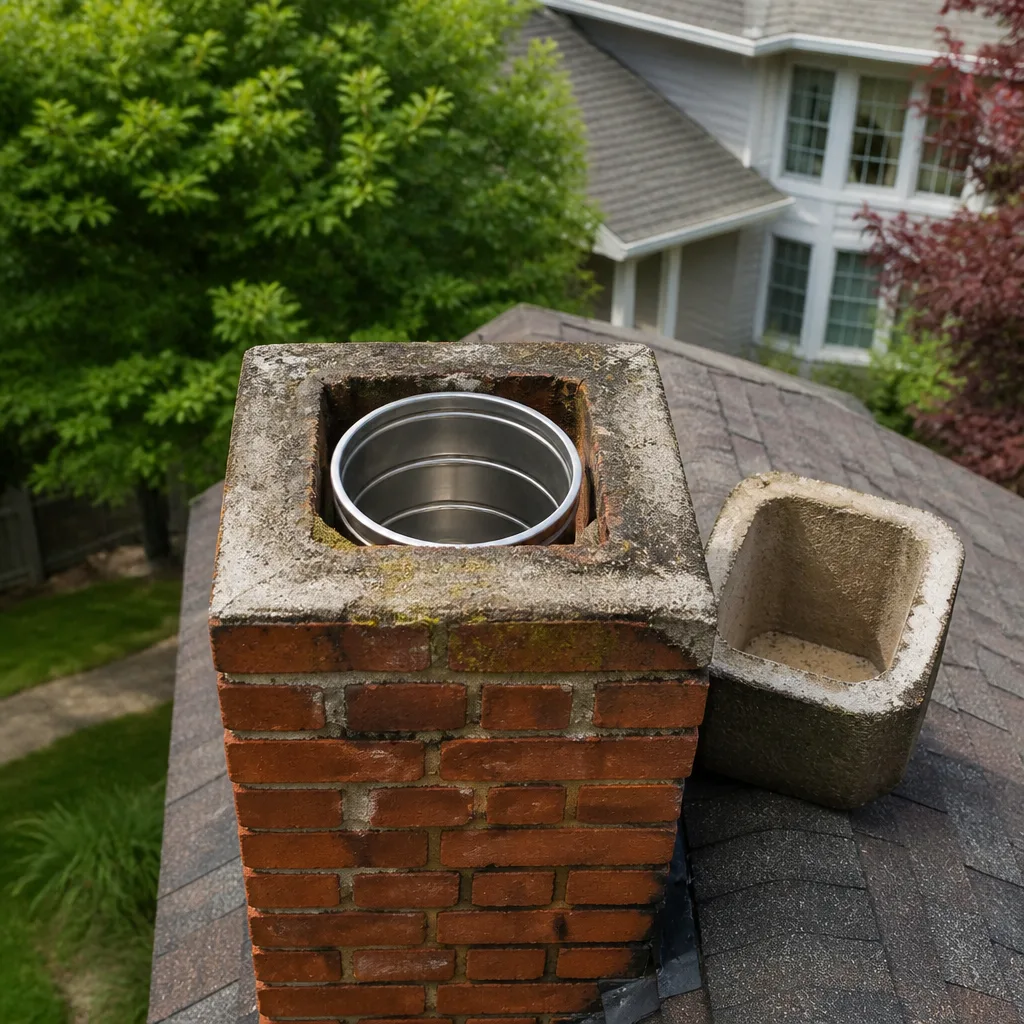
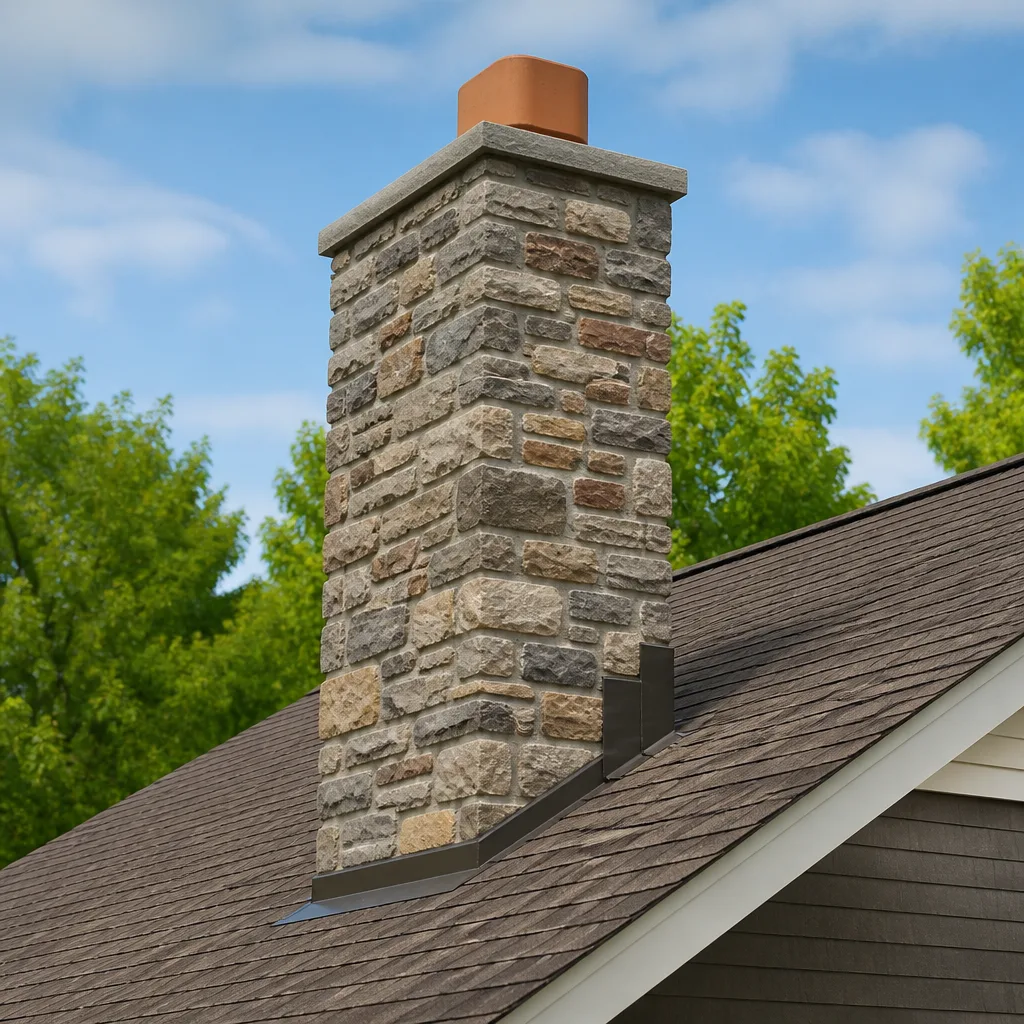
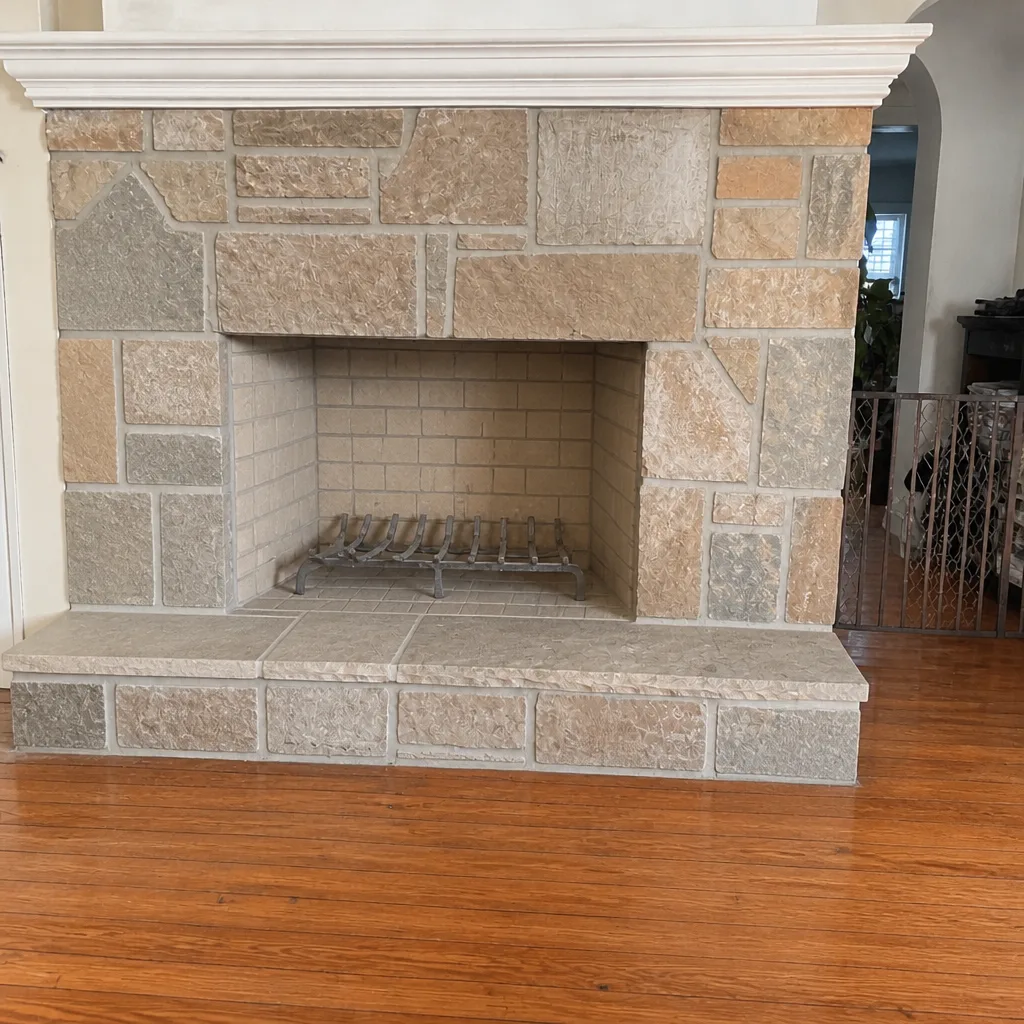
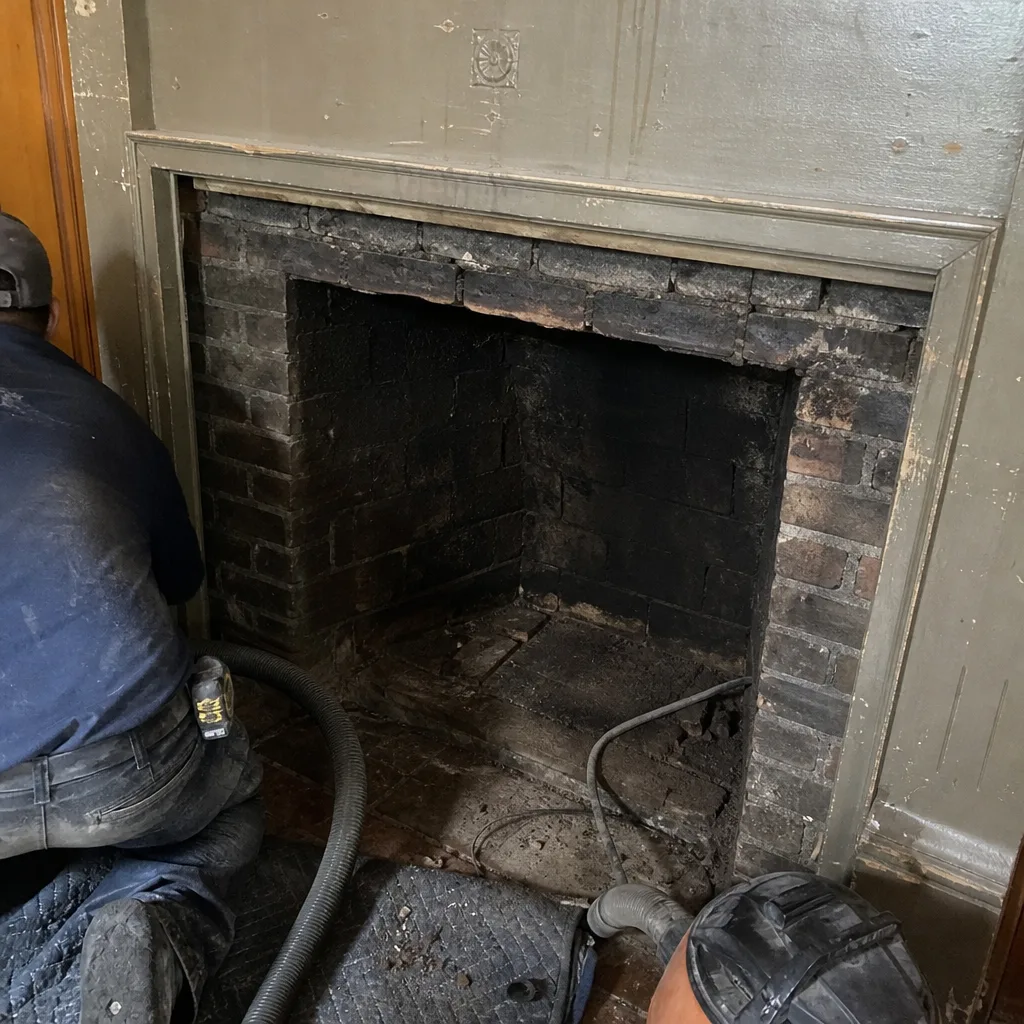
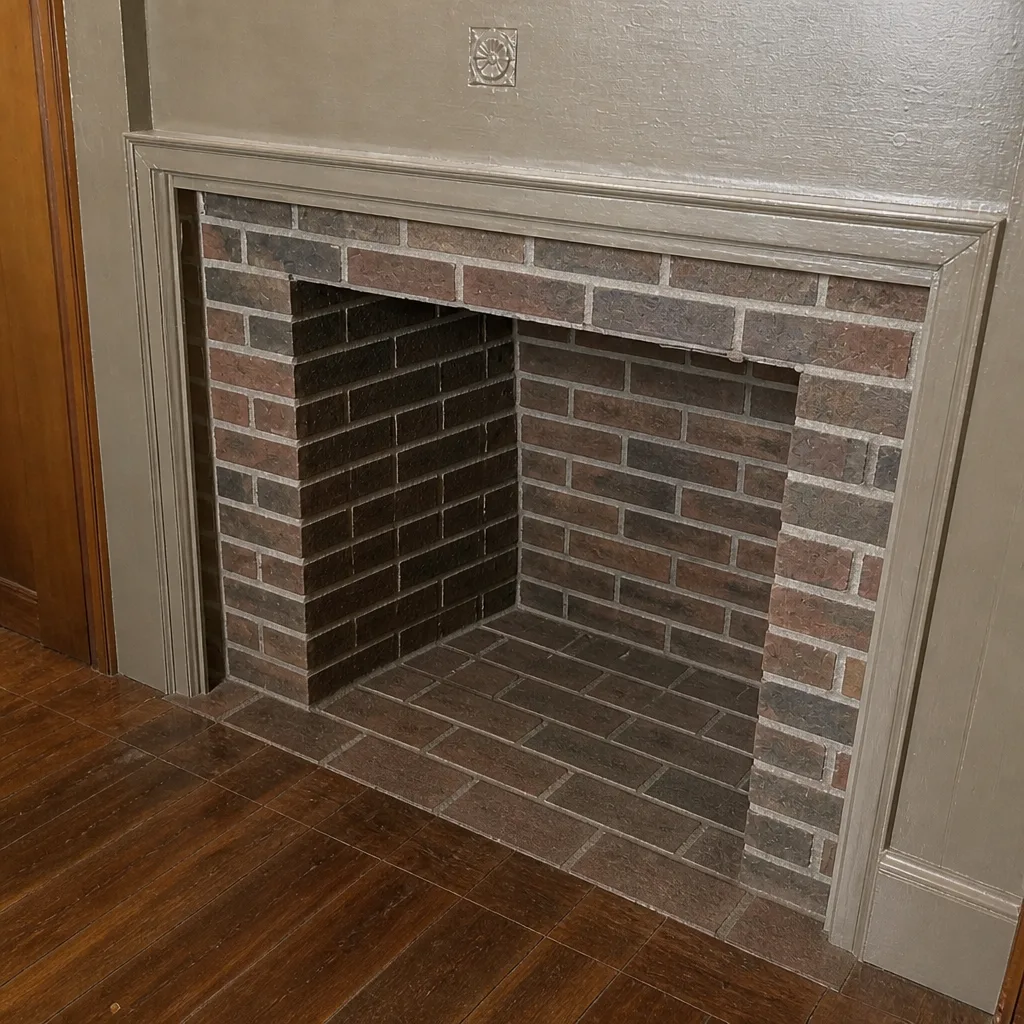
See the difference
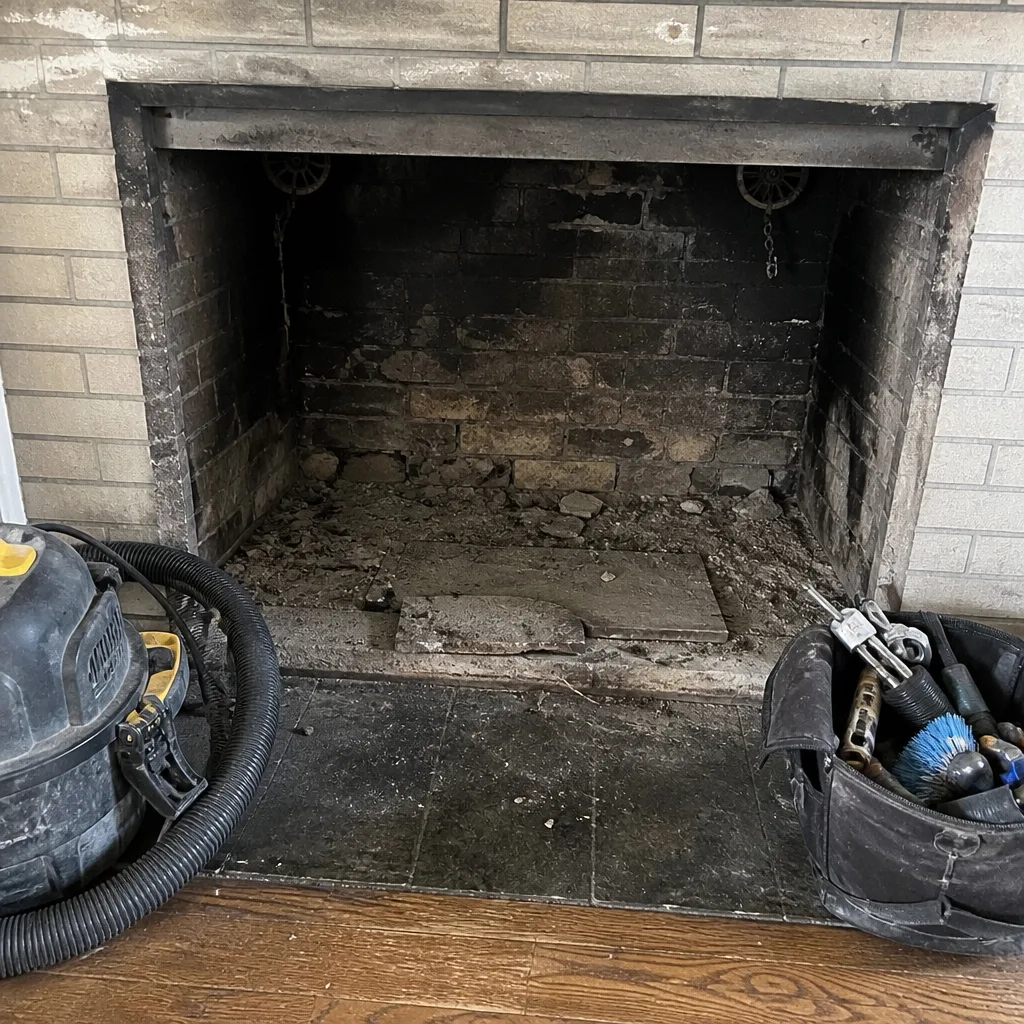 Before
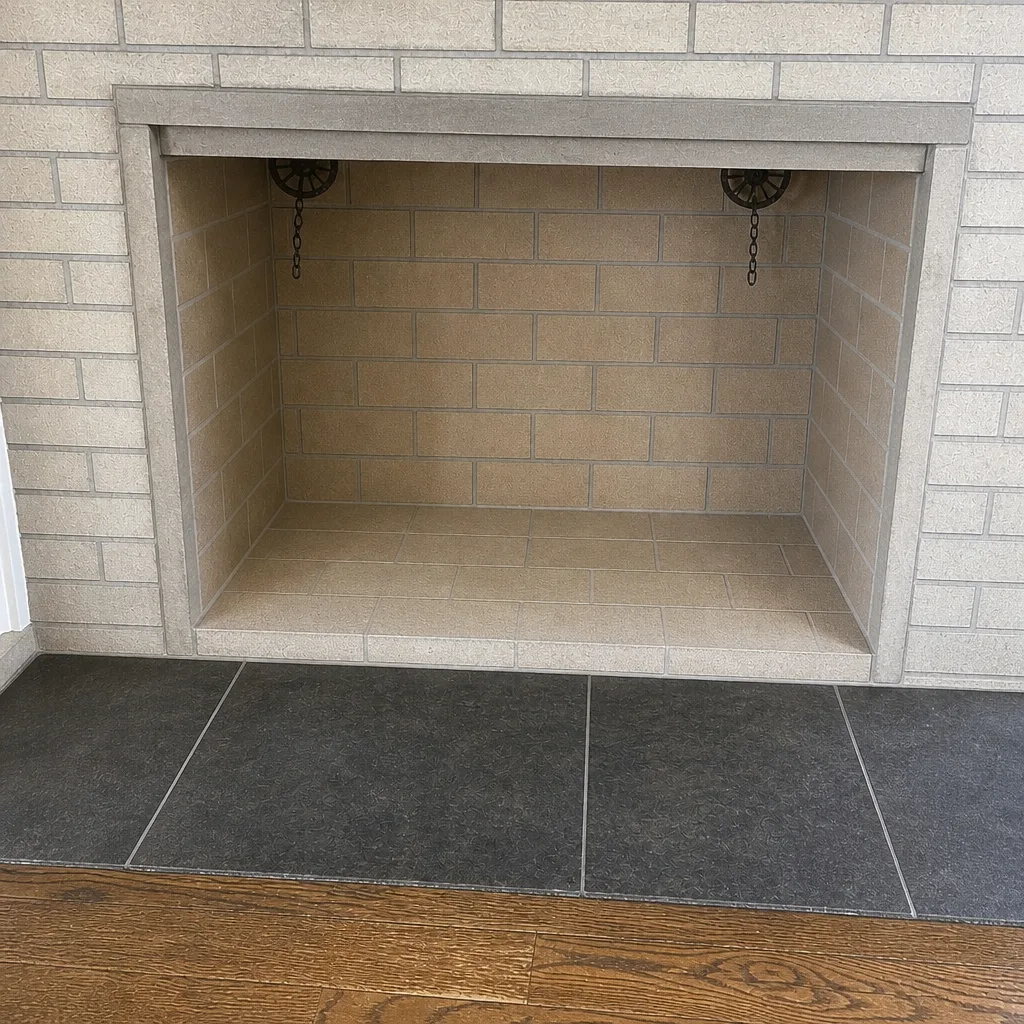 After
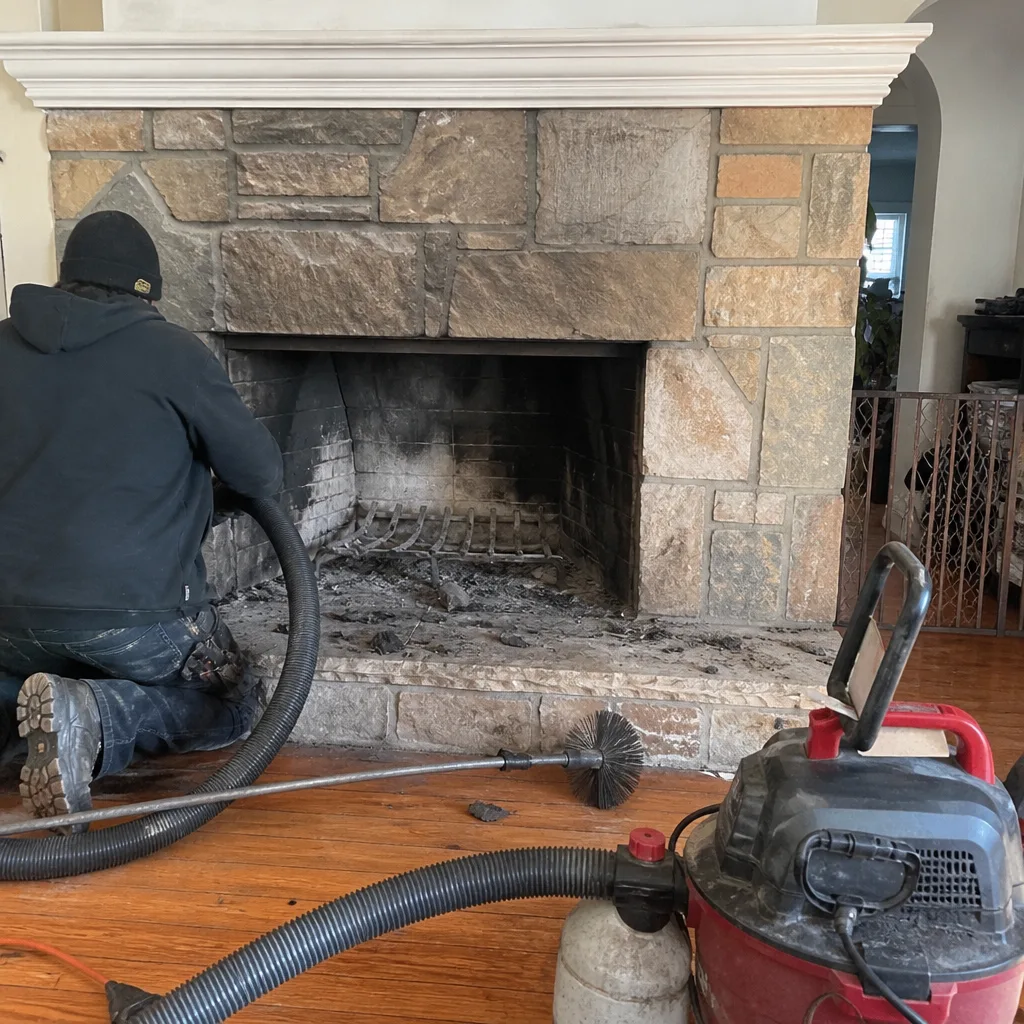 Before
 After
 Before
 After
When to Call a Professional
Call a professional when the flue needs relining, when the crown is cracked and water is getting in, when masonry above the roofline is spalling or unstable, or when you’re installing or replacing an appliance and need to know whether the existing flue can safely serve it. Call when you’ve had a chimney fire, when carbon monoxide detection has been triggered and traced to the fireplace, or when a previous owner’s work has no paperwork behind it. Also call when you simply want to know the condition of your chimney before the season, which is the least dramatic reason and often the most useful. Chimney Sweep Far Rockaway offers free estimates in Far Rockaway. Call (866) 937-8492. We answer 24/7. Fast dispatch from 7am to 7pm, Sunday through Friday.
Frequently Asked Questions
No. Chimney cleaning is routine maintenance, and New York City does not issue permits for it. Permits come into play when the work becomes structural: liner replacement, crown rebuilding, masonry repair or changes to the flue’s configuration. The cleaning itself is permit-free. Call (866) 937-8492 for a free estimate and a straight answer about what your chimney needs.
In most cases, yes. Section 28-105 is the section that governs when a Department of Buildings permit is required before construction work begins, and a liner replacement is treated as structural work on the flue. The licensed contractor files the permit, and the sign-off should end up in your home records. If a contractor tells you a reline never needs a permit, ask them to put that in writing. Call (866) 937-8492 to talk through your scope.
Ask for the license or registration number in writing, then look it up in the Department of Buildings’ online licensing records to confirm it’s active and the entity name matches your contract. Ask who will pull the permit if one is required, and confirm their name appears on the filing. This applies to the licensed professional performing the work. Call (866) 937-8492 with questions before you sign anything.
Routine maintenance keeps the chimney working: sweeping, visual inspection, clearing debris, re-seating a loose cap. Permitted repair work changes the structure: relining, rebuilding a crown, repointing large sections of masonry, replacing a prefabricated section. The invoice size doesn’t decide the category; whether the work alters the structure does. Call (866) 937-8492 for a free estimate that spells out which category your job falls into.
The FDNY is concerned with fire safety, not building permits, and its involvement in a residential chimney typically follows a chimney fire, a carbon monoxide alarm, a complaint or an installation that was never reviewed. Inspectors look at the flue’s integrity, clearances to combustibles, damper function and termination above the roofline. The Department of Buildings handles permits; the Fire Department handles safety. Call (866) 937-8492 if you want a professional assessment before anyone else looks.
Yes. Unpermitted structural work doesn’t appear in the building record, and the CO doesn’t reflect what’s actually been built. The gap typically surfaces during a sale, a refinance or a Department of Buildings review, and the homeowner inherits the problem. Doing the work with a permit from the start keeps the record clean. Call (866) 937-8492 for a free estimate on permit-appropriate repair work.
The Bottom Line
The permit question isn’t really about cleaning. It’s about what happens after. A chimney sweep in Far Rockaway needs no permit, and it’s the diagnostic moment that tells you whether the next step is maintenance or structural repair. Structural work on a chimney generally falls under NYC Building Code Section 28-105, which means a Department of Buildings permit, a licensed contractor on the filing and a sign-off for your records. Skip that step and the CO can come back to bite you at resale. Do it right and the chimney stays safe, the record stays clean and the next owner inherits a system with a paper trail. That’s the whole point of the inspection.
Call (866) 937-8492 for a free estimate. We answer 24/7. Fast dispatch from 7am to 7pm, Sunday through Friday. Closed Saturday. The estimate is free, and the written scope spells out what’s maintenance, what’s repair and what’s permitted.
Written by the team at Chimney Sweep Far Rockaway.