
Last updated November 25, 2026
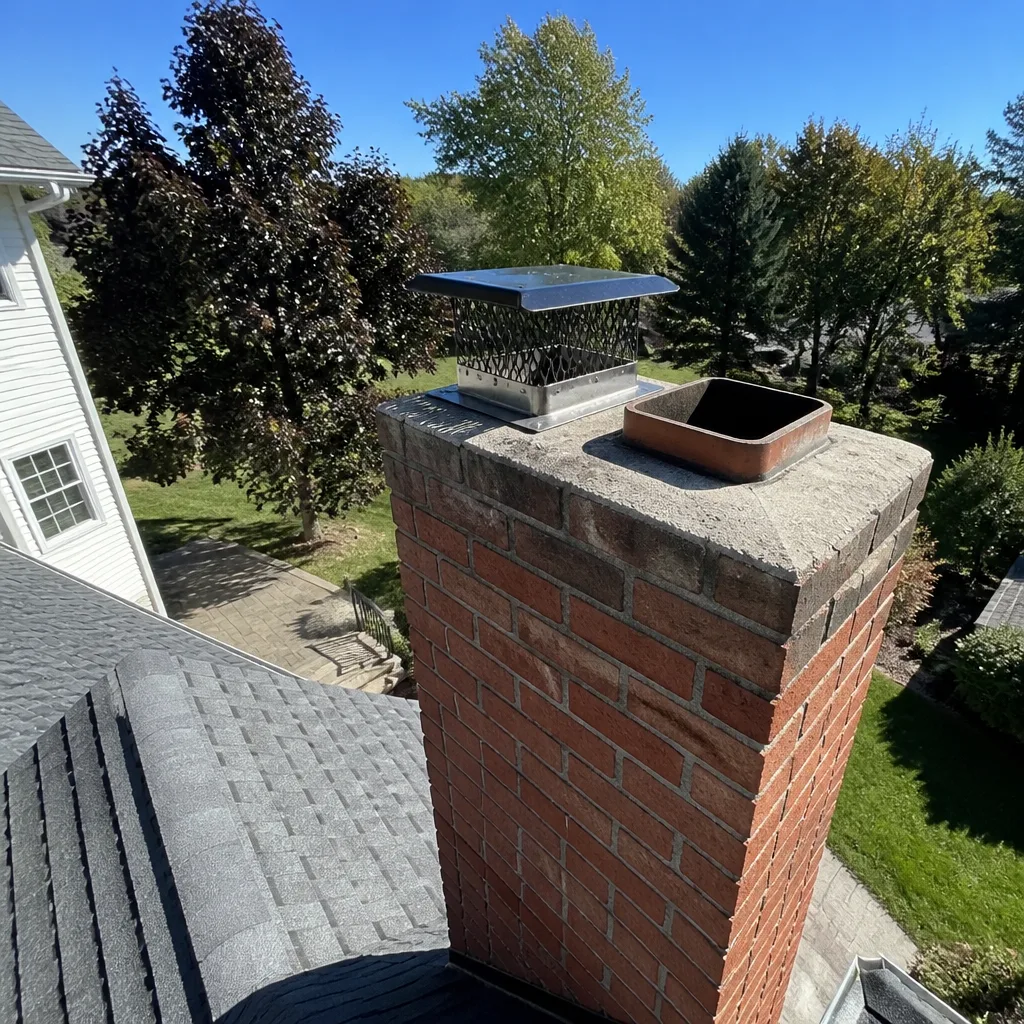 Sweep & inspection
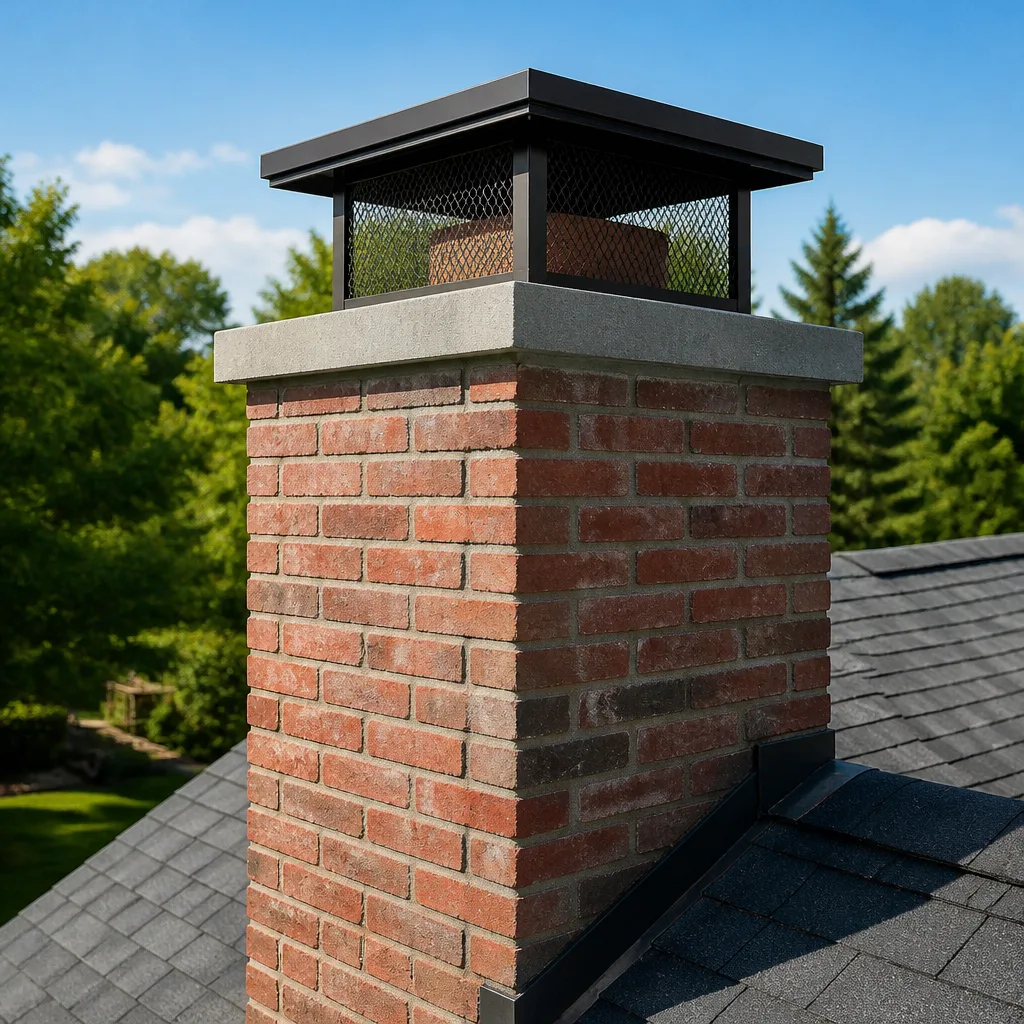 Caps & crowns
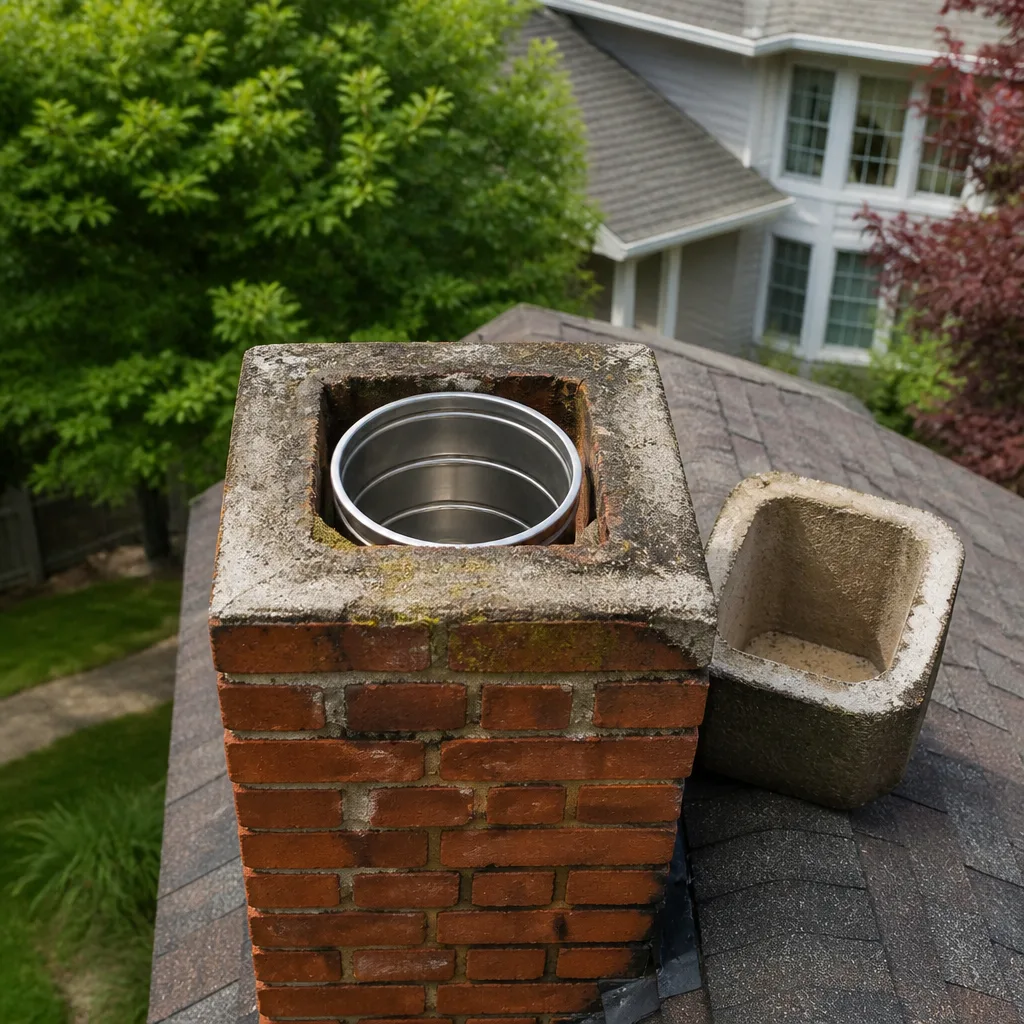 Flue relining
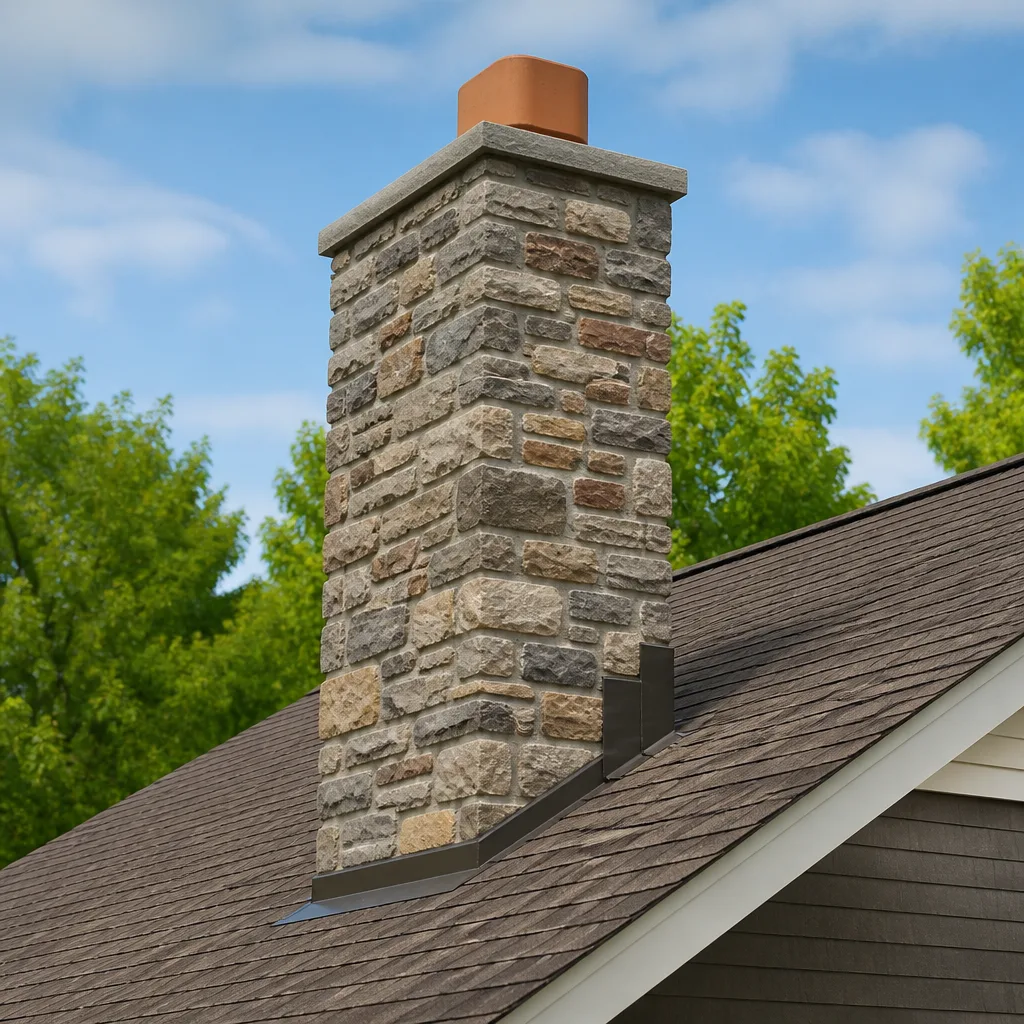 Masonry repair
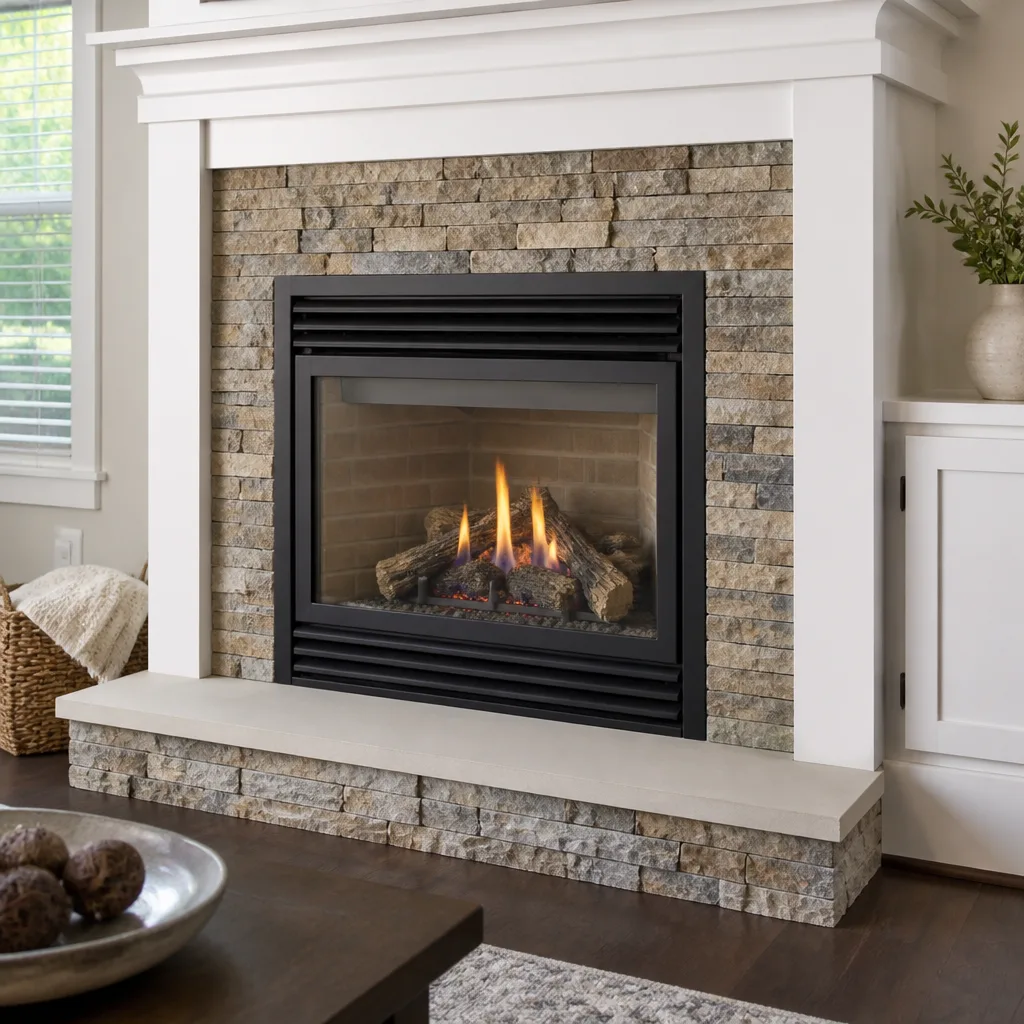 Gas fireplace service
Level 1 sweep and inspection to the NFPA 211 annual standard - flue, crown, cap, and flashing checked and photographed
Chimney sweep logs do not sweep chimneys. They loosen some creosote - which then falls where a brush and vacuum still have to collect it.
Choosing the Right Chimney Cleaning Brand: A Buyer’s Guide for Far Rockaway
Not all chimney brushes are made from the same wire gauge, and a cheap poly-bristle brush on a stage-two creosote deposit doesn’t clean the flue – it smears it. That’s the part of a chimney sweep most Far Rockaway homeowners never see. The brush goes up, the vacuum hums, and the result looks fine until the next season, when the baked-on glaze is still there and the flue is just as restricted as before. The brand behind the brush, the chemical treatment, and the liner material is what decides whether a cleaning lasts two years or two months. This guide breaks down which products hold up here, which brands do what, and the exact questions that separate a sweep who knows their materials from one who doesn’t. If you’re comparing chimney cleaning products brands in Far Rockaway, the answer comes down to material grade, not marketing.
Quick Answer
The right chimney cleaning brand depends on what’s in the flue, not on a single best label. Polypropylene brushes handle light soot, wire brushes cut carbon and glazed creosote, and chemical deglazers like those from Saver Systems break down stage-three deposits before a brush ever touches them. For Far Rockaway chimneys, stainless steel caps and liners rated to ASTM A240 outlast aluminum alternatives, and HeatShield ceramic resurfacing restores a deteriorated liner without a full reline. Ask any sweep which brands they carry and why – a specific answer tells you they know their materials.
Styles & brands we work with
- Sweep & inspection
- Caps & crowns
- Flue relining
- Masonry repair
- Gas fireplace service
Table of Contents
- Why the Brand Behind the Brush Matters
- Wire Gauge and Bristle Material by Application
- Chemical Deglazers and the Three Stages of Creosote
- Why Stainless Steel Caps and Liners Hold Up in Far Rockaway
- Rutland, Saver Systems, HeatShield, and the Professional Brand Map
- Consumer-Grade vs. Commercial-Grade Chimney Products
- How to Ask a Sweep Which Brands They Use
- Common Mistakes to Avoid
- When to Call a Professional
- Frequently Asked Questions
Why the Brand Behind the Brush Matters
A chimney sweep’s job looks simple from the living room. Something goes up the flue, soot comes down, the fireplace is clean again. What actually happens inside the flue is a materials problem. The wrong brush on the wrong deposit leaves a glaze that re-bakes within a season. The wrong cap cracks within a couple of winters. The wrong liner material fails early in a climate that swings between wet and freezing.
Far Rockaway sits on a barrier peninsula at the eastern end of the Rockaways, and the weather here is hard on chimneys in specific ways. Winters bring freeze-thaw cycles that work on masonry mortar joints, and summer humidity drives moisture into any crack that opens. A chimney cap that’s rated only for fair weather starts to fail within a couple of seasons, and once water gets into the crown, the deterioration compounds. That’s why the brand of product matters more here than in a dry inland market. It isn’t a matter of preference – it’s a matter of how long the repair lasts.
We work with an intentional roster of professional-grade brands, and we chose them for specific reasons. DuraFlex builds the flexible stainless liner systems used in full relines. HeatShield makes the ceramic resurfacing system for liner restoration. Gelco and Famco cover ventilation and cap products for both masonry and prefabricated metal chimneys. Olympia Chimney supplies professional-grade components through a distribution network that isn’t open to homeowners or generalist contractors. Copperfield rounds out the list for specialty components. Each product exists for a specific job, and knowing which is which is the difference between a cleaning that holds and a cleaning that doesn’t.
The larger point is this: a sweep who can’t name the products they use is telling you something. It usually means they’re buying whatever’s cheapest at the hardware store, and that’s the standard you get in your flue. For a full picture of how a proper service should run, see our Chimney Sweep Far Rockaway page.
Wire Gauge and Bristle Material by Application
There is no single best chimney brush. There are brushes matched to deposit type, and using the wrong one ranges from wasteful to damaging. Here’s how the choice works in practice.
Polypropylene Brushes for Light Soot
Polypropylene bristles are stiff enough to lift loose soot and light creosote dust without scratching the flue tile. They’re the standard choice for a routine annual chimney sweep on a well-maintained chimney, and for clay tile liners where the surface is intact. The bristle thickness matters – a thin poly brush does almost nothing on a heavy deposit, while a stiff one can scratch softer liner materials. That’s why a sweep should be matching the brush to what the inspection finds, not running the same brush on every flue.
Wire Brushes for Creosote
Wire brushes come in different gauges, and the gauge is the point. A heavier-gauge wire brush cuts through carbon deposits and glazed creosote that poly bristles slide right over. But on a stainless liner, the wrong wire gauge can scratch the surface, which creates a rough spot for future creosote to grab onto. The gauge has to match both the deposit and the flue material.
Chemical Deglazers for Stage Three
Stage-three creosote is the hard, tar-like glaze that forms when a chimney has been under-fired for long enough. A brush alone won’t remove it – running a brush over glazed creosote just polishes the surface. Chemical deglazers soften the glaze first, then a wire brush lifts it off. That’s the only reliable sequence for stage-three deposits. This is also the deposit most likely to cause a chimney fire, so it isn’t a job to put off. Our technicians have up to 8 years of experience matching brush and chemical to what’s actually in the flue.
Chemical Deglazers and the Three Stages of Creosote
Creosote forms in three stages, and each one calls for a different approach. Knowing which stage you’re dealing with is the first step in choosing the right product.
- Stage one: soot and light flaky creosote. This is what forms after a season of normal use. A standard sweep with a poly brush removes it completely. If your chimney is swept annually, you usually never see this stage progress.
- Stage two: hardened, crusty creosote. This forms when the fire runs cool or the wood is wet. It clings to the flue wall and requires a wire brush, often with a chemical treatment to break it loose.
- Stage three: glazed, tar-like creosote. This is the dangerous one. It’s dense, glossy, and highly combustible. It requires a chemical deglazer before any brush touches the surface, and the job usually takes more than one visit.
Professional-grade deglazers come from manufacturers like Saver Systems, whose products are formulated for the deposit stage they’re meant to break down. Consumer sprays sold at hardware stores often don’t have the concentration to touch a stage-three glaze, and the labels don’t always make clear which stage they’re for. When a sweep reaches for the right chemical by name, it’s a sign they’ve diagnosed the deposit before they started cleaning. That’s a diagnostic-first approach, and it’s the standard we hold ourselves to. You can read more about our process on the chimney sweep overview. For more on why deposits matter here specifically, our chimney repair page covers the damage a neglected flue can do to the surrounding masonry.
One safety note: never try to remove glazed creosote yourself. Stage-three deposits are combustible, and the process of breaking them loose can send a shower of burning material down the flue. This is work for a trained sweep with the right chemicals and containment equipment. If you suspect a glaze, call before you run another fire.
Why Stainless Steel Caps and Liners Hold Up in Far Rockaway
Far Rockaway’s climate is hard on metal. Between summer humidity, winter freeze-thaw, and the general wear of a barrier-island environment, aluminum chimney components start to fail well before their rated lifespan in milder climates. The fix is stainless steel, and specifically stainless steel rated to ASTM A240, the standard that covers the composition of the alloy itself. That rating is the reason a properly specified stainless cap or liner outlasts an aluminum alternative by years, not months.
Here’s where it shows up in practice:
- Caps. An aluminum cap will pit and corrode in this environment, and once the top plate fails, water goes straight down the flue. A stainless cap keeps the rain and animals out for the life of the chimney. Our chimney cap & crown service uses stainless cap and crown products, and for good reason.
- Liners. A full reline uses a flexible stainless liner system, and DuraFlex is the standard we build on. The stainless holds up to creosote, heat, and moisture in a way that clay tile and aluminum simply don’t.
- Ventilation components. Prefabricated metal chimneys use Gelco and Famco venting and cap components, both of which are built for sustained outdoor exposure.
The pattern is consistent: in a barrier-island climate, the stainless product pays for itself over the timeline of a chimney’s life, and the aluminum one doesn’t. That’s not a manufacturer’s preference – it’s basic material science. When a sweep quotes you on a cap or a liner, ask specifically what material grade it’s rated to.
Rutland, Saver Systems, HeatShield, and the Professional Brand Map
Chimney product brands aren’t interchangeable. Each manufacturer specializes in a part of the job, and a well-equipped sweep carries products from several of them. Here’s how the main names break down.
Rutland
Rutland is a name most homeowners have heard because it’s the consumer-accessible end of the market – brushes, creosote removers, and fireplace maintenance products sold at hardware stores. The brand makes good products, but the consumer line isn’t always the same grade as the professional line. Ask a sweep which Rutland products they use and whether they’re sourcing from the consumer or professional line.
Saver Systems
Saver Systems is known for its chemical deglazers and creosote treatment products, which are specifically formulated for professional application. These are the products a sweep reaches for on stage-two and stage-three deposits. The key advantage is concentration – a Saver Systems deglazer can break down a glaze that a consumer product won’t touch.
HeatShield
HeatShield is the ceramic resurfacing system we use for liner restoration. It’s a specialized solution most sweep-only companies don’t carry because they don’t do restoration work. When a clay tile liner has cracked or deteriorated but the structure is still sound, HeatShield can resurface it from the inside without a full reline. That saves the homeowner significant material cost and disruption. You’ll find more on this on our chimney repair page.
Olympia Chimney, DuraFlex, Gelco, and Famco
Olympia Chimney supplies professional-grade chimney components through a distribution network that isn’t open to homeowners. DuraFlex is the flexible stainless liner system we use for full relines. Gelco and Famco cover ventilation and cap products for both masonry and prefabricated metal chimneys. Copperfield fills in for specialty components. Each of these brands exists because it solves a specific part of a chimney’s lifecycle, and a full-service provider needs several of them to cover a job properly.
What to watch for is a sweep who can only name one brand or none at all. That usually means they’re using a generic all-purpose product, which isn’t the right standard for a job that has to hold up for years in Far Rockaway’s climate.
Consumer-Grade vs. Commercial-Grade Chimney Products
The biggest misconception in chimney cleaning is that hardware-store products and professional-grade products are interchangeable. They aren’t. The difference shows up in concentration, material spec, and lifespan, and in Far Rockaway it shows up fast.
- Brushes. Consumer brushes are usually a single poly-bristle type meant for light household soot. Professional brushes come in a range of wire gauges and bristle materials so the sweep can match the brush to the deposit and the liner.
- Chemicals. Consumer creosote removers are diluted for safe handling by untrained users. Professional deglazers like those from Saver Systems are formulated for controlled application by a trained sweep.
- Caps and liners. Consumer caps are often aluminum or thin-gauge steel, which fails quickly in a wet, freezing climate. Commercial caps and liners are stainless, rated to ASTM A240, and built to last decades.
- Resurfacing. HeatShield is a professional-only system. There’s no consumer-grade equivalent that does the same job, because the application requires trained installation and the right equipment.
This is a case where the top name on the label isn’t necessarily the best product – the right grade for the job is. A sweep who uses professional materials is telling you they’ve invested in products that will actually work in your chimney, not just a brush that fits whatever flue they’re facing. Our Chimney Sweep Far Rockaway page outlines how we source and use these materials across every job.
How to Ask a Sweep Which Brands They Use
The single best question to ask when you’re comparing chimney sweeps is: “Which brands do you use, and why?” How they answer tells you a lot. Here’s a short script for how to follow up.
- “What brush do you use for stage-two creosote, and how do you decide?” You want an answer that mentions wire gauge and the deposit stage, not just “we use a brush.”
- “What do you carry for stage-three glazed creosote?” You want a specific chemical product name, ideally Saver Systems or an equivalent, and you want to hear that the chemical comes before the brush.
- “If my liner needs work, what do you use?” You want a specific answer. HeatShield for restoration. DuraFlex for full relines. Anything vague is a red flag.
- “What material is the cap you install?” You want stainless steel, not aluminum. Ask for the ASTM rating if they mention it – ASTM A240 is the standard for the alloy.
- “Can you show me the inspection report before you recommend the work?” A good sweep inspects first, reports what they find with photos, and lets you make the call. Anything else is a sales pitch.
A vague or brand-agnostic answer usually means one of two things: they’re not paying attention to material quality, or they don’t want you asking. Either way, keep looking. The right sweep will tell you the exact product, the exact reason, and what grade it’s rated to. The same standard applies when you’re comparing chimney repair contractors – the questions are the same, just scaled up. Our team is happy to walk you through the products we use on your specific chimney.
Common Mistakes to Avoid
- Hiring a sweep who shows up with only one brush. A single-brush sweep can’t match the brush to the deposit, so light soot gets an aggressive wire brush and heavy glaze gets a soft poly one. The result is either a scratched liner or a flue that still needs a real cleaning.
- Comparing products on price alone. A consumer-grade cap costs less up front, but it fails faster in Far Rockaway’s wet, freezing winters. The stainless cap you don’t have to replace after a few seasons is the better investment.
- Assuming a hardware-store deglazer will handle glazed creosote. Stage-three deposits are the ones most likely to cause a chimney fire, and consumer products don’t have the concentration to break them down. This is professional work.
- Skipping the inspection report before approving the work. If a sweep tells you the liner needs replacing without showing you a photo of the problem, you can’t verify the recommendation. Ask for the evidence first.
- Buying a cap or liner without asking about material grade. Aluminum and thin-gauge steel are common consumer options, but they fail in this climate. Ask for stainless and ask for the standard it’s rated to.
- Believing the sweep who claims no preference among brands. A sweep who can’t name their materials is usually buying whatever’s cheapest. That’s the standard that ends up in your flue.
- Assuming a full reline when a restoration would do. HeatShield resurfacing can restore a deteriorated clay tile liner that’s still structurally sound, which costs less than a full DuraFlex reline. Ask the sweep whether restoration is an option before you approve the bigger job.
When to Call a Professional
Some chimney problems are safe to think about for a season. Others aren’t. Call a professional when you smell creosote in the house year-round, when smoke backs into the room on a fire, when you can see cracked or missing mortar in the crown, or when a chimney fire has already happened – even if it seemed small. Call before burning season starts if you haven’t had the flue inspected in a year, and call before you hire anyone to do repair work if you haven’t seen a photo of what’s wrong. Glazed creosote, a failed liner, and a cracked crown are all reasons to call now rather than later, but if the inspection shows only light soot, a cleaning and a cap may be all the chimney needs this year.
Chimney Sweep Far Rockaway offers free estimates in Far Rockaway – call (866) 937-8492. We answer 24/7, and fast dispatch runs from 7am to 7pm, Sunday through Friday. Every estimate is set by a written price for the specific job, and nothing gets recommended without a camera inspection and a photo report you can see for yourself.
Frequently Asked Questions
For Far Rockaway chimneys, the best products combine professional-grade cleaning with materials that hold up to the local climate. On the cleaning side, Saver Systems deglazers for stage-two and stage-three deposits, and Rutland for brush and maintenance products, are both reliable professional choices. For caps and liners, look for stainless steel rated to ASTM A240, and for liner restoration, HeatShield is the ceramic resurfacing system most sweep-only companies don’t carry. DuraFlex, Olympia Chimney, Gelco, and Famco round out the professional roster for relines and prefabricated metal chimneys. Call (866) 937-8492 for an exact quote – estimates are free.
It depends on the condition of the clay tile, and the only way to know is a camera inspection. If the liner is cracked or deteriorated but structurally sound, HeatShield ceramic resurfacing can often restore it without a full reline – a lower-cost option than a DuraFlex reline. If the liner is collapsed, misaligned, or the flue is unlined, a full DuraFlex stainless reline is usually the right fix. Nothing gets recommended without a photo report you can review. Call (866) 937-8492 for a free estimate before you approve any liner work.
Once a year for most homes that burn regularly, and more often if you burn green wood or use the fireplace heavily. Far Rockaway’s wet winters and humid summers accelerate creosote formation and moisture intrusion, so an annual inspection catches small issues before they turn into crown or liner repairs. A chimney that hasn’t been swept in over a year is the one that most often needs more than a cleaning. Call (866) 937-8492 to book a sweep before the season starts.
Creosote builds up in layers, and once it reaches stage three it becomes a glazed, tar-like deposit that’s highly combustible and hard to remove. A neglected flue is also more likely to develop a cracked crown or a failed liner because water intrusion has nothing stopping it. The fire risk goes up, and the eventual repair cost does too. The right sequence is inspect first, then clean, then repair only what the evidence supports. Call (866) 937-8492 for a free estimate and a clear picture of your chimney’s condition.
Ask them specifically which brands they use and why, and listen for details about material grade and application. A qualified sweep will name the products – Saver Systems for deglazing, HeatShield for liner restoration, DuraFlex for relines, specific stainless grades for caps – and explain which product fits your chimney. A vague answer or a sweep who says all brands are the same usually means they’re buying consumer-grade products. Our technicians have up to 8 years of experience matching materials to the specific job.
Yes, specifically in the choice of cap and liner materials. The area’s freeze-thaw winters and humid summers are hard on aluminum and thin-gauge steel, which corrode and fail faster than stainless steel rated to ASTM A240. Stainless caps and DuraFlex stainless liners last longer here than their aluminum counterparts. On the cleaning side, the wet climate can accelerate creosote formation, which is why annual inspection and stage-appropriate cleaning matter more in Far Rockaway than in a dry climate. Call (866) 937-8492 to talk through what fits your chimney.
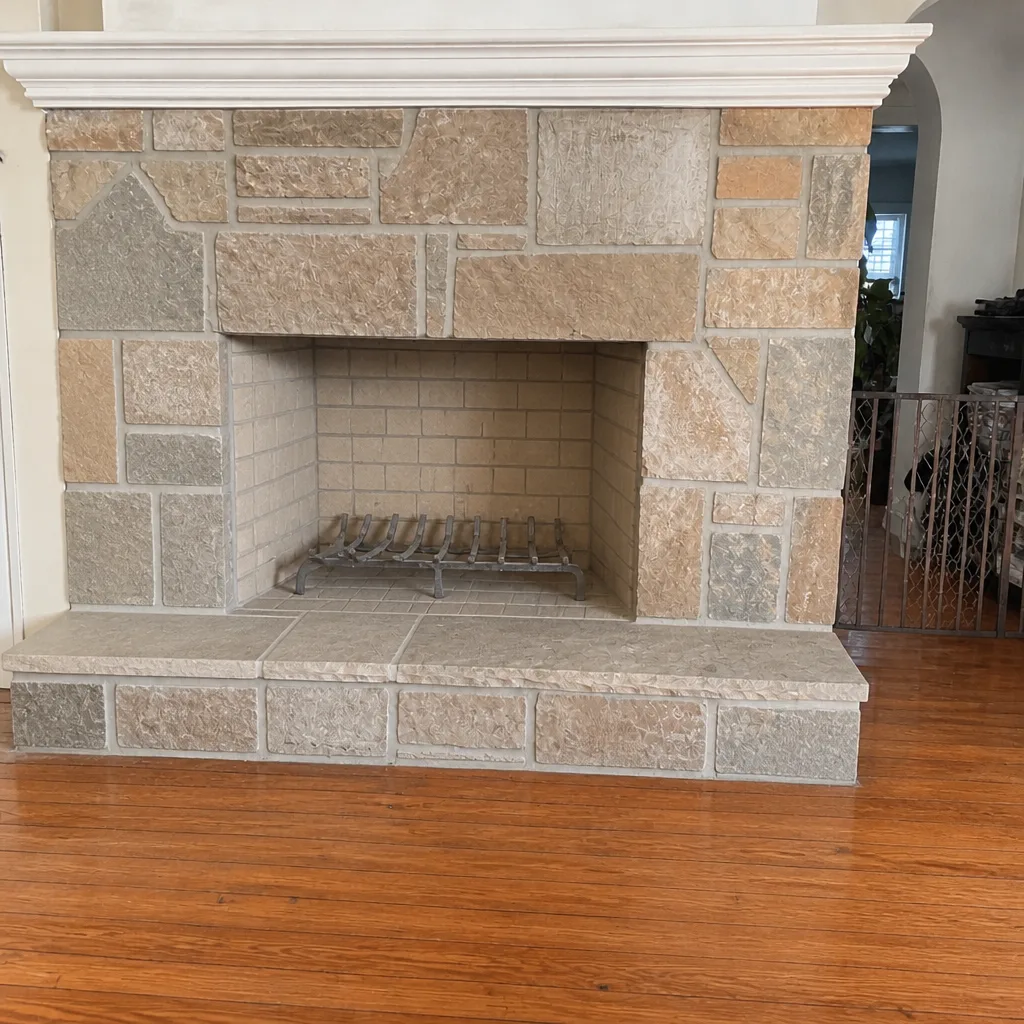
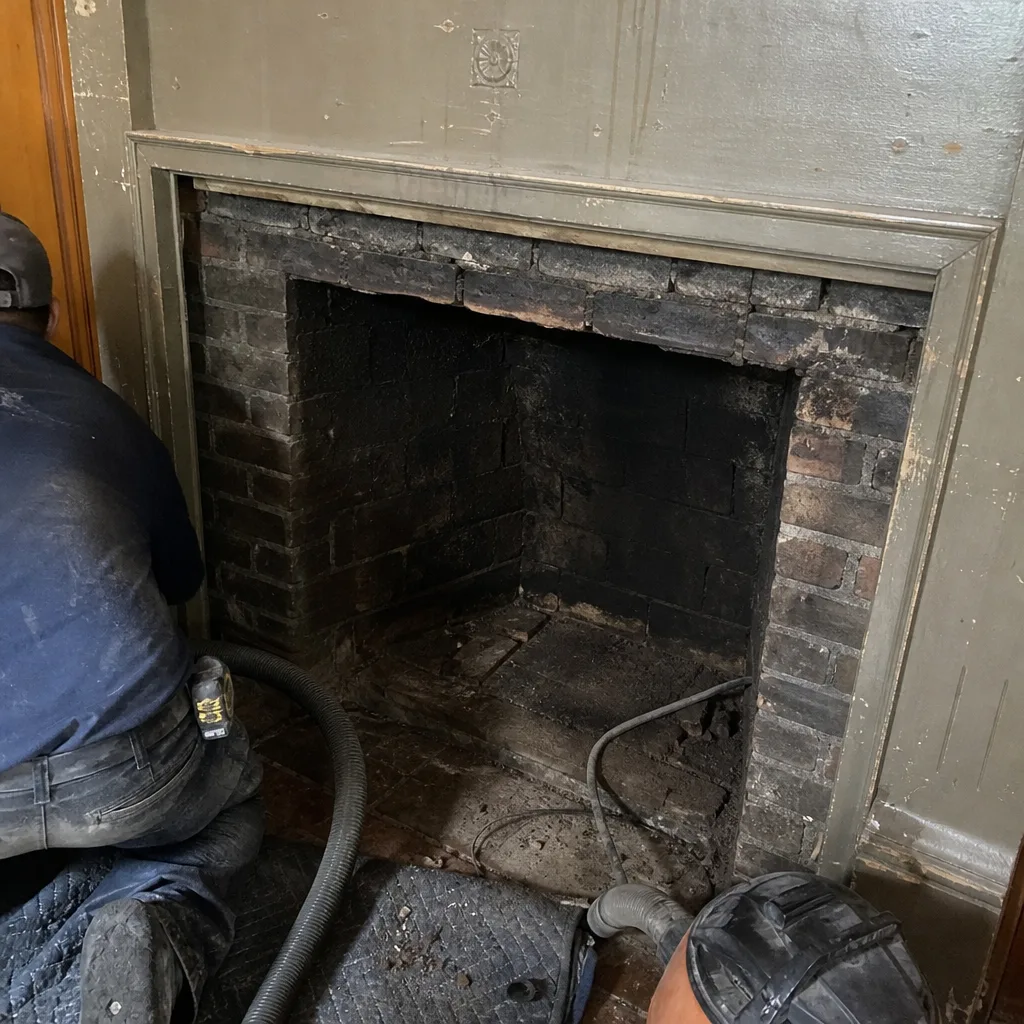
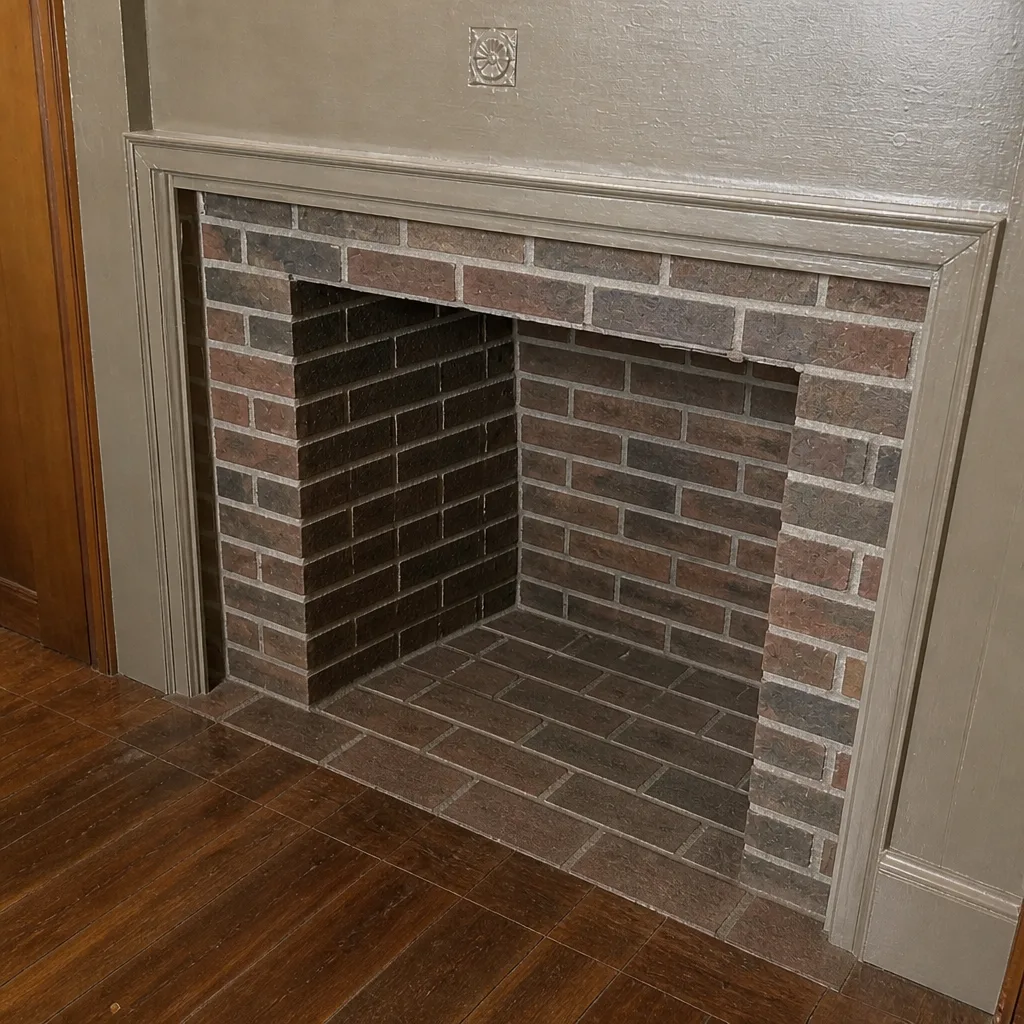
See the difference
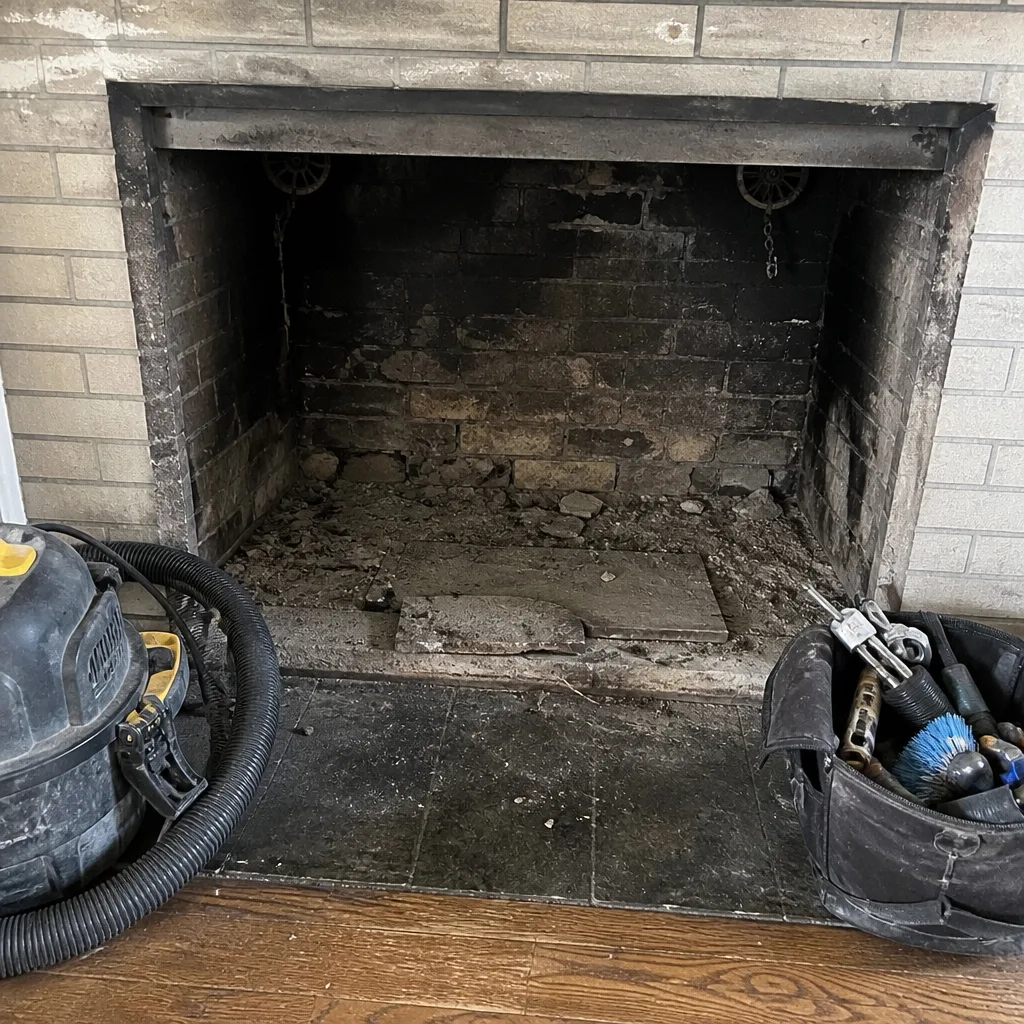 Before
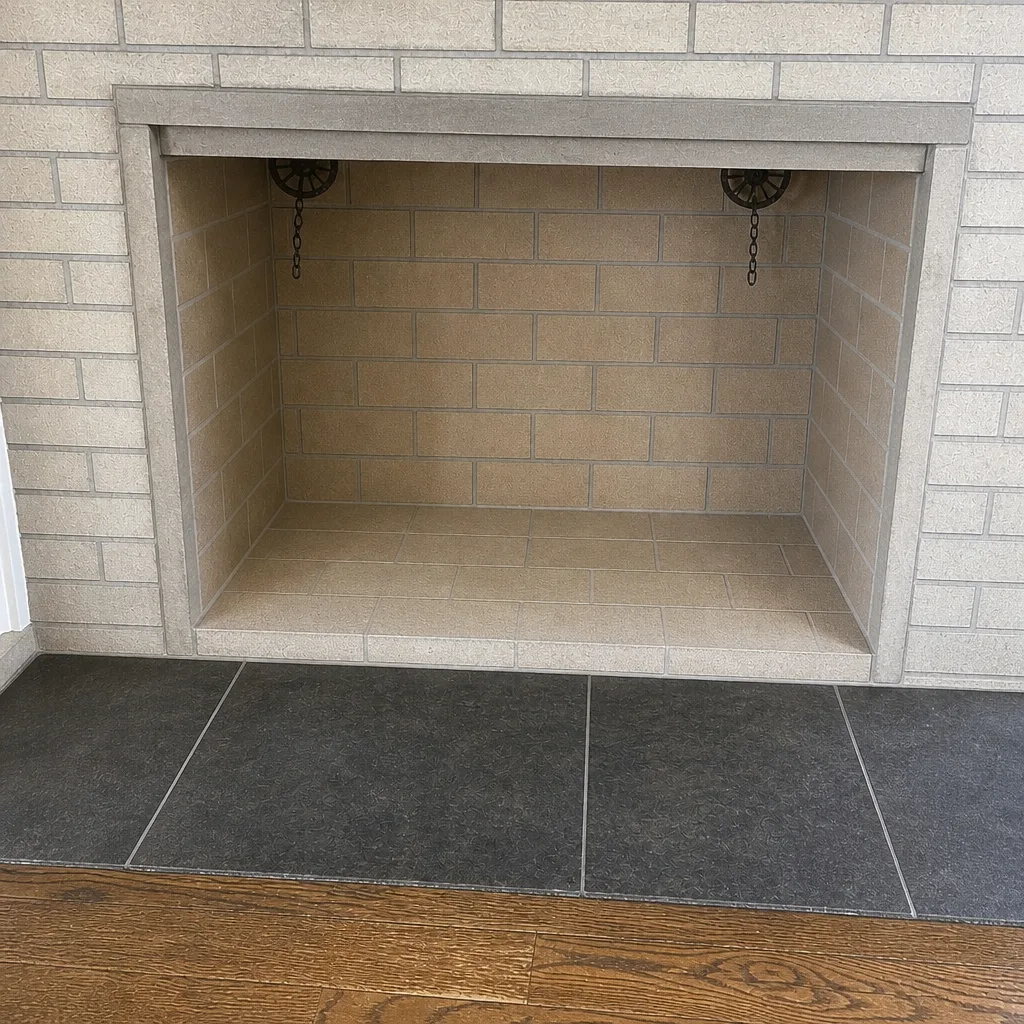 After
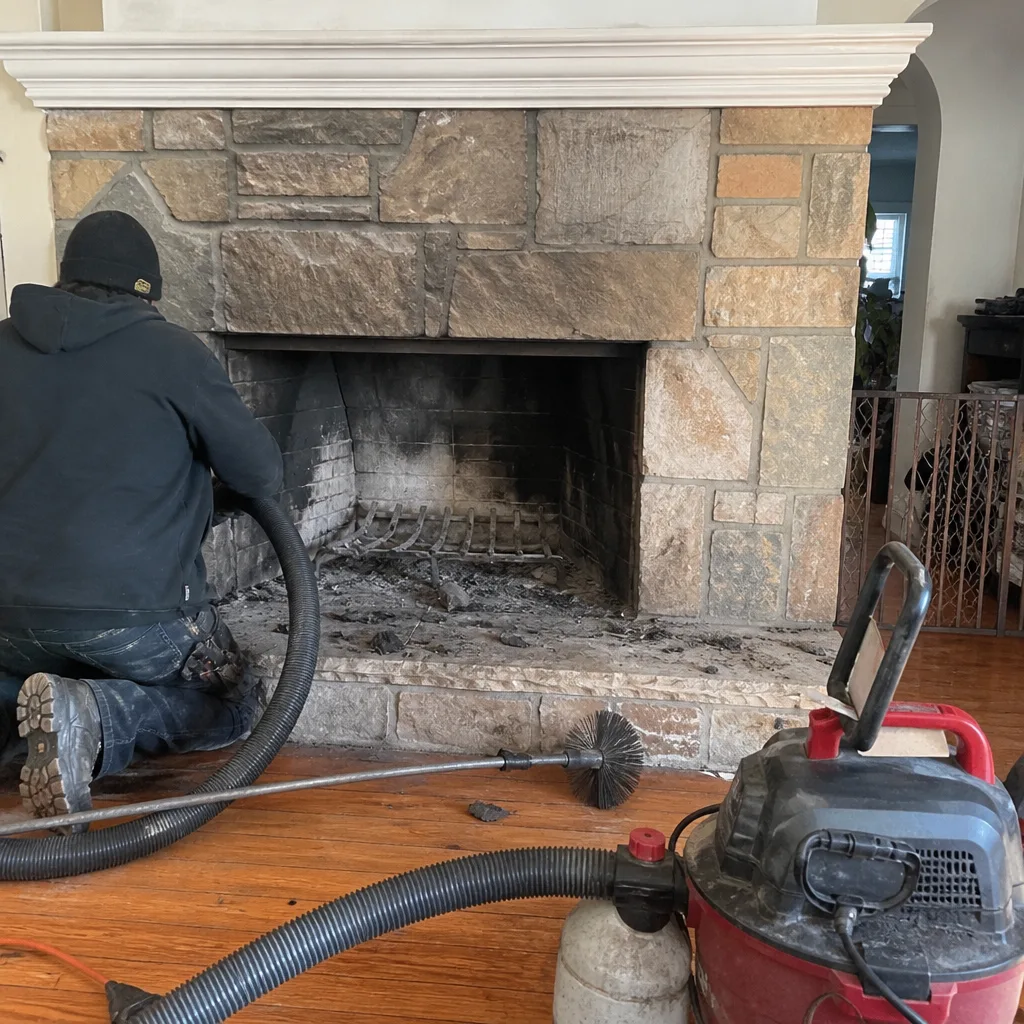 Before
 After
 Before
 After
How Much Does Chimney Cleaning Cost in Far Rockaway?
A standard chimney sweep in Far Rockaway typically runs the range you’d expect for a full-service job, which includes a camera inspection and a photo report along with the cleaning itself. The written estimate sets the final price. What changes the total is what the inspection finds: a stage-three glaze that needs chemical treatment, a cracked crown that needs repair, or a liner that’s failed and needs restoration. We quote the scope in writing before the work begins, and the flat price is agreed before we book the job. Nothing gets recommended on this page or in your estimate without photo evidence you can review yourself. Call (866) 937-8492 for an exact quote – estimates are free.
The Bottom Line
The right chimney cleaning brand isn’t a single label – it’s a set of products matched to the deposit, the flue material, and your climate. Saver Systems for chemical deglazing, HeatShield for liner restoration, DuraFlex for relines, and stainless components rated to ASTM A240 for caps and crowns are the standard that holds up in Far Rockaway. A sweep who can name those products by application is a sweep who knows their trade. A sweep who can’t is one to pass on. Our technicians have up to 8 years of experience doing exactly this kind of work, and we’re glad to walk you through it on your chimney.
Contact Us
Call (866) 937-8492 for a free estimate. We answer 24/7, and fast dispatch runs from 7am to 7pm, Sunday through Friday. We’ll inspect your chimney, show you the findings with photos, and let you decide what work needs to happen this season and what can wait.
Written by the team at Chimney Sweep Far Rockaway.