
Last updated November 25, 2026
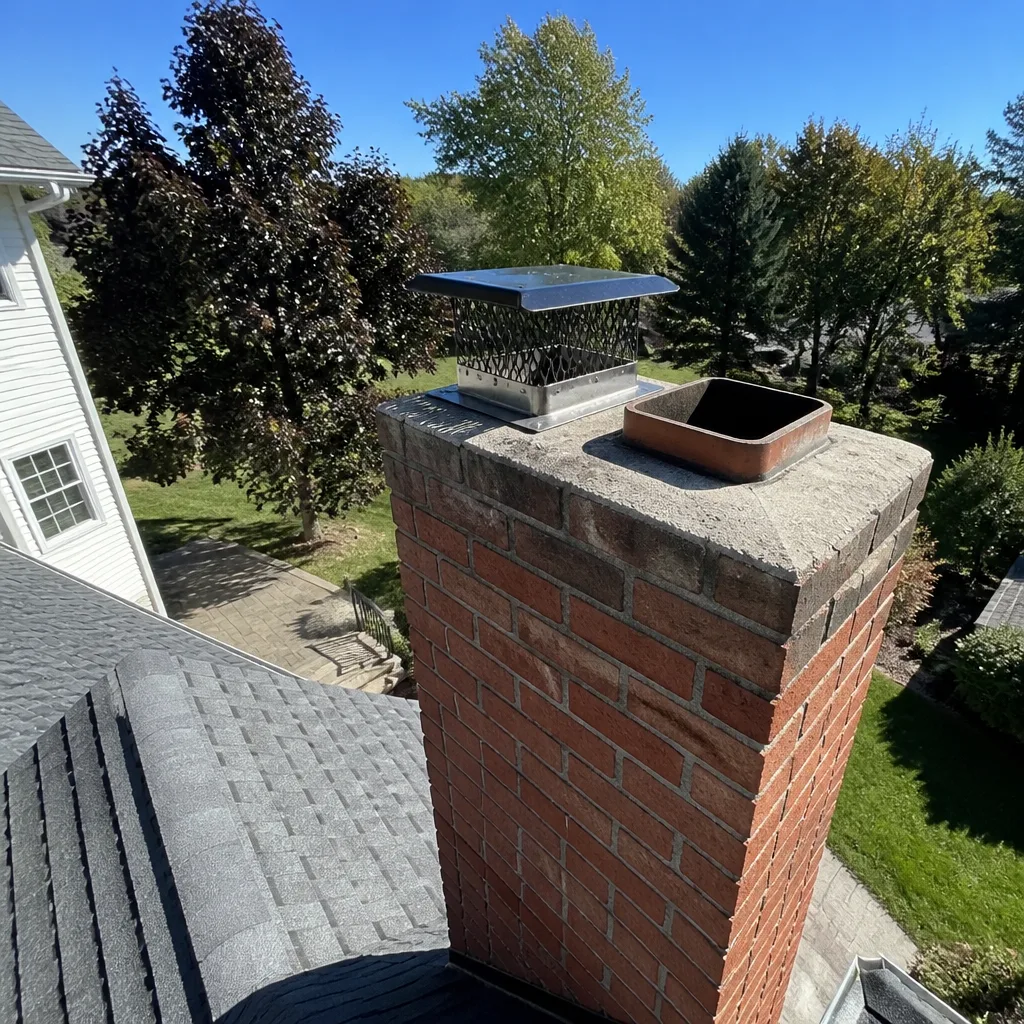 Sweep & inspection
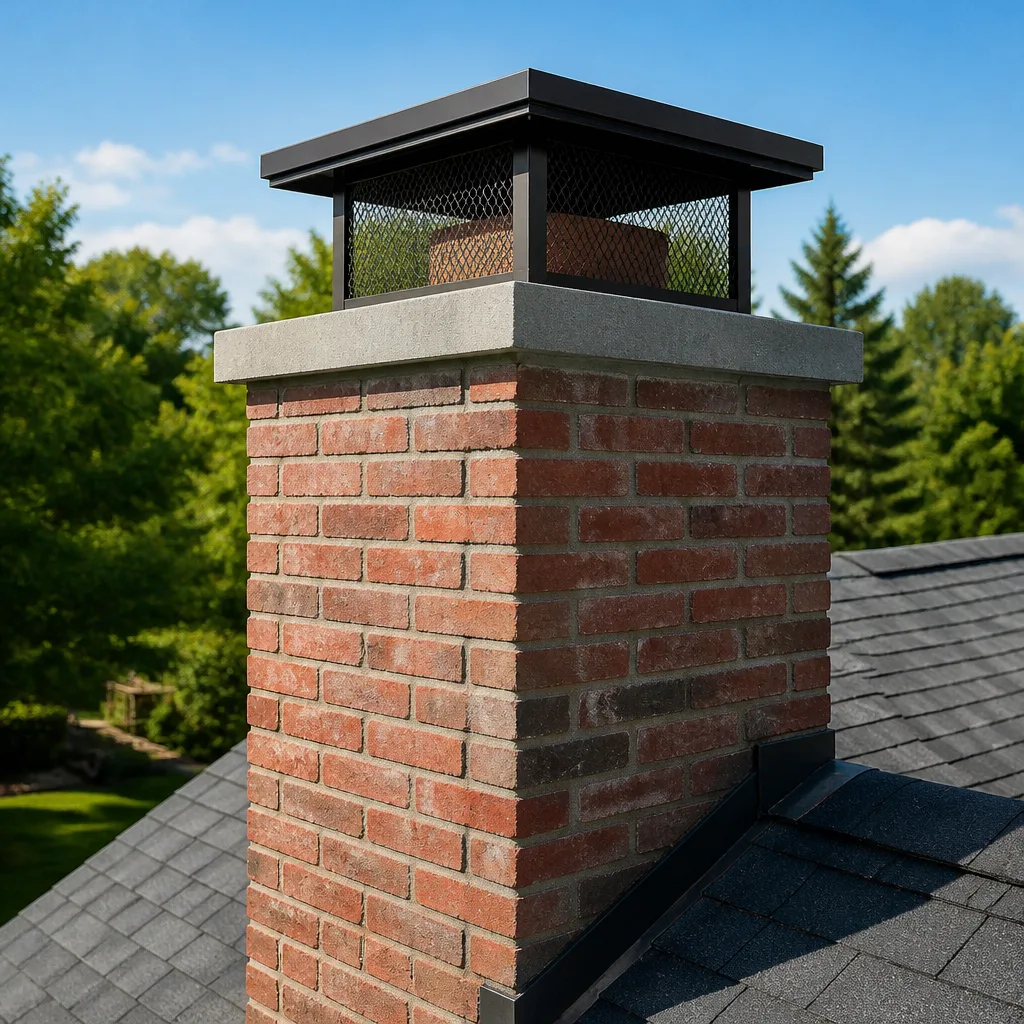 Caps & crowns
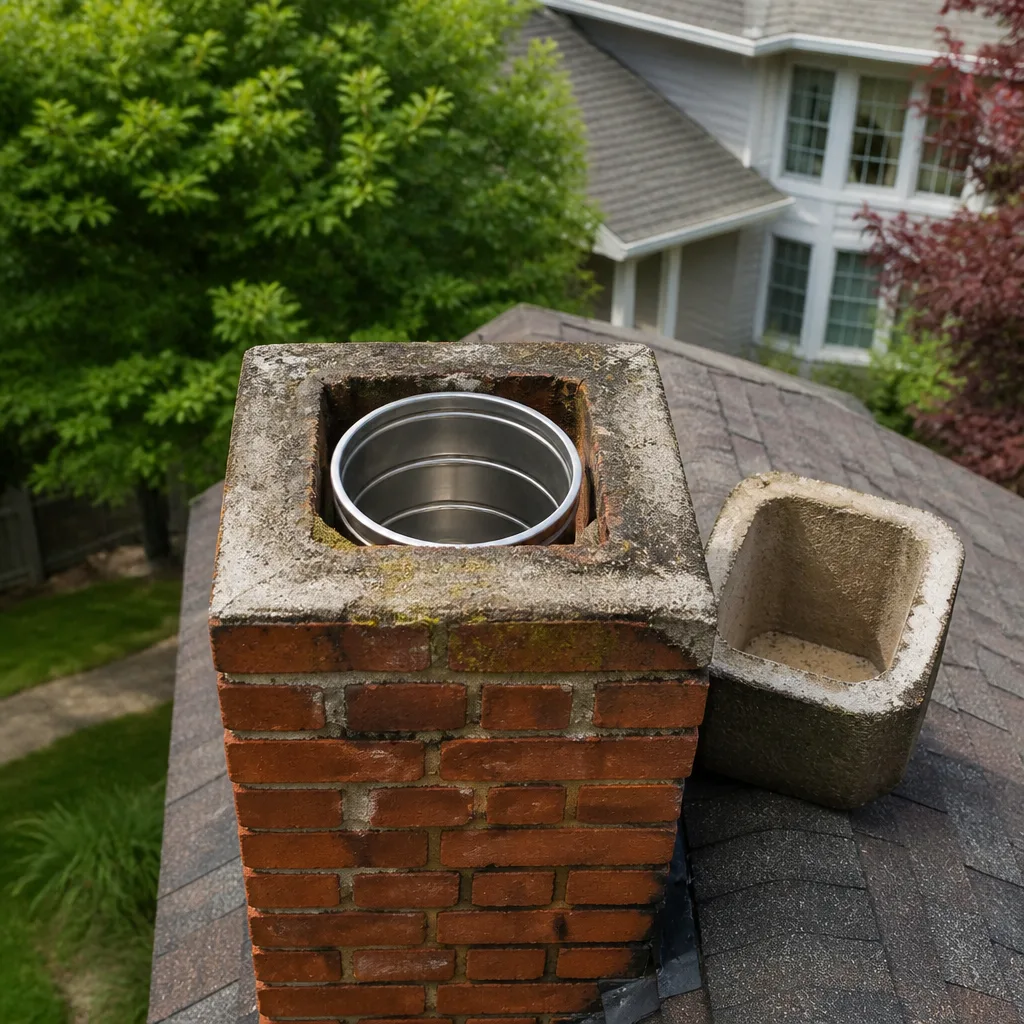 Flue relining
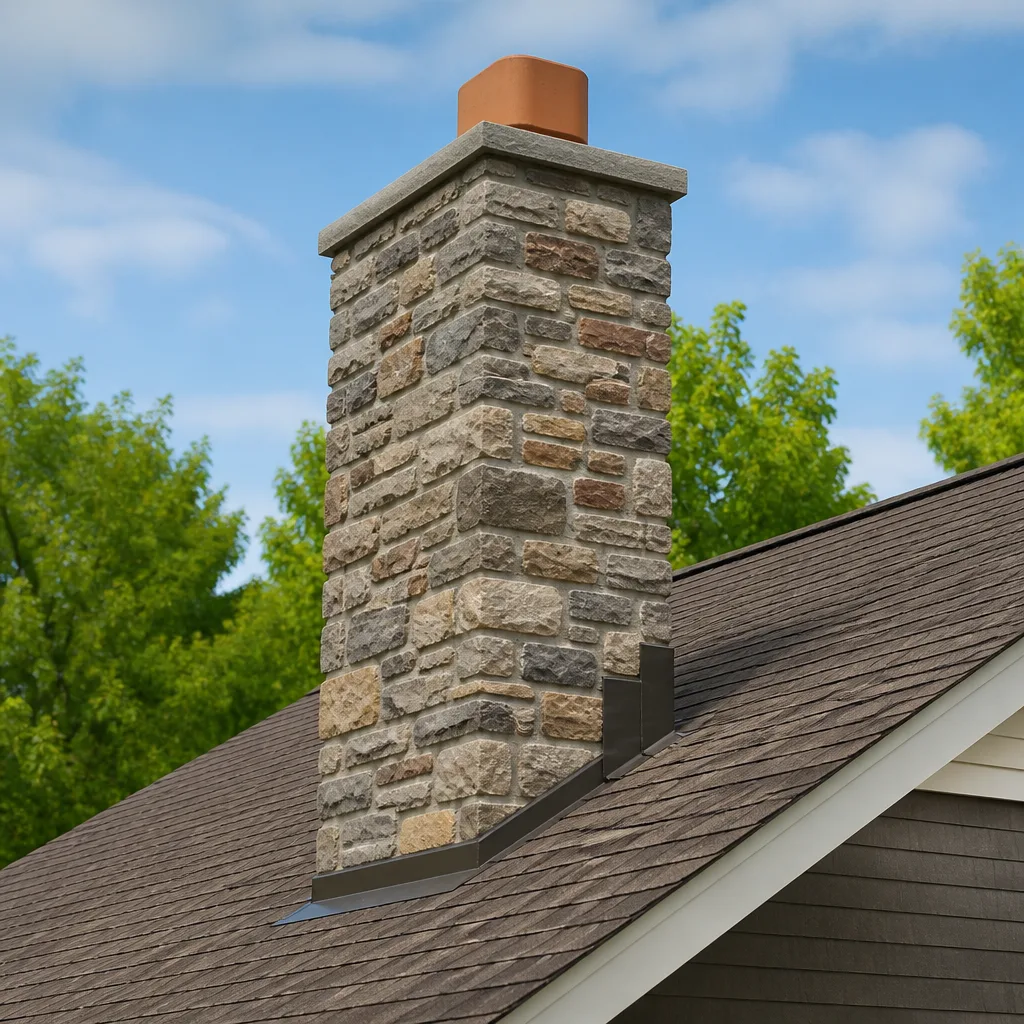 Masonry repair
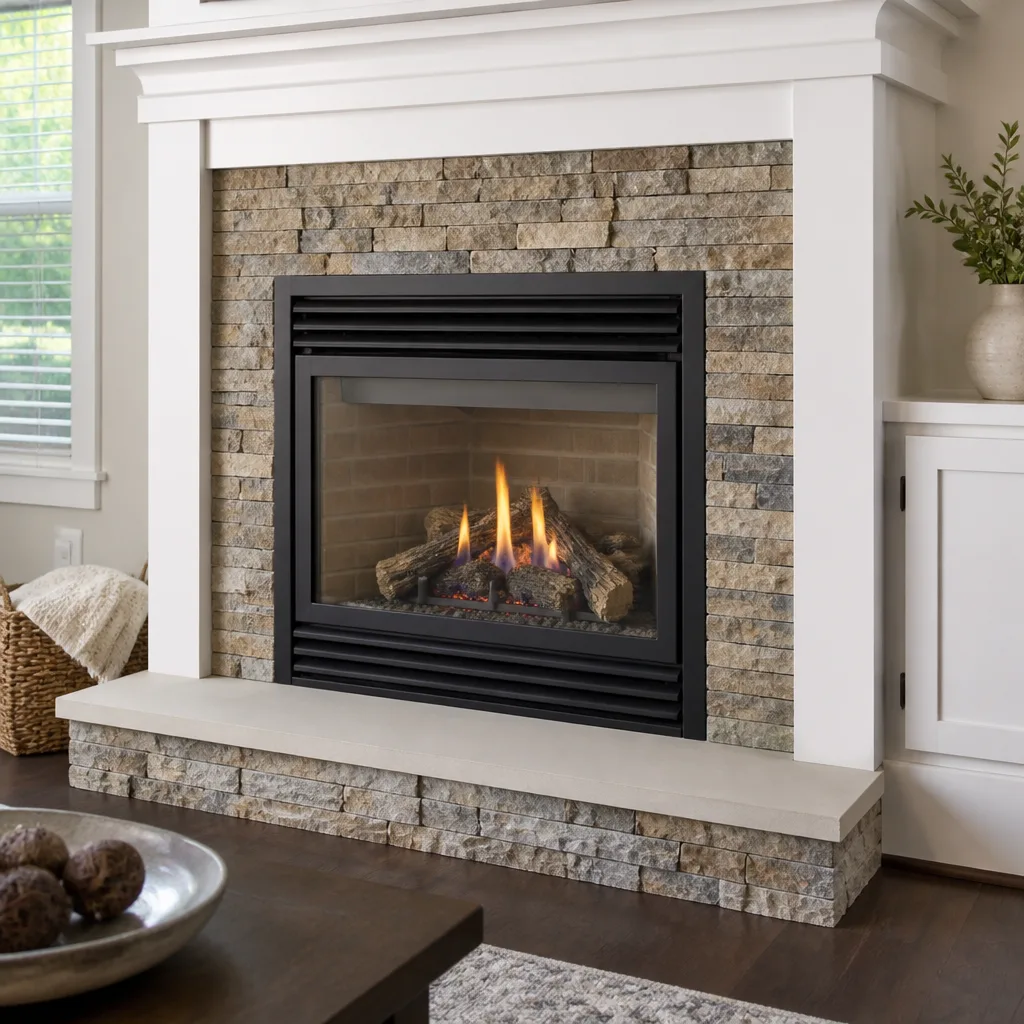 Gas fireplace service
Level 1 sweep and inspection to the NFPA 211 annual standard - flue, crown, cap, and flashing checked and photographed
Chimney sweep logs do not sweep chimneys. They loosen some creosote - which then falls where a brush and vacuum still have to collect it.
How to Hire a Chimney Cleaning Contractor in Far Rockaway: A Step-by-Step Guide
CSIA certification isn’t optional. It’s the single credential that separates a trained chimney sweep from someone who bought equipment online last spring. In Far Rockaway, the difference between a chimney specialist and a handyman with a brush set rarely shows up in an ad. Both can print a business card. Both can quote a price. Only one can show you the paperwork and the product knowledge behind the work. That gap matters more here than in most markets, because Far Rockaway’s older masonry stock and its mix of prefabricated and brick chimneys reward actual diagnostics, not guesswork. This guide gives you a vetting process built on credentials, the right questions, and the red flags that show up in this market specifically. Read it before you book.
Quick Answer
To hire a chimney cleaning contractor in Far Rockaway, verify three things before booking: current CSIA certification, active liability insurance that specifically covers fire-related damage, and a written estimate that itemizes the sweep, the inspection, and any repair line separately. Ask five questions up front, read the estimate for vague language, and expect a real post-cleaning report rather than a one-line invoice. Chimney Sweep Far Rockaway connects you with vetted local professionals who follow this standard, and free estimates start with a call to (866) 937-8492.
Styles & brands we work with
- Sweep & inspection
- Caps & crowns
- Flue relining
- Masonry repair
- Gas fireplace service
Table of Contents
- Which Credentials Actually Matter in Far Rockaway?
- Five Questions to Ask Before You Book
- How to Read a Chimney Estimate Line by Line
- Why the Lowest Bid Often Costs More Here
- What a Real Post-Cleaning Report Should Contain
- Sweep or Repair? How to Tell What You Actually Need
- Red Flags That Should End the Conversation
- Why the Report Matters for Your Insurance File
Which Credentials Actually Matter in Far Rockaway?
CSIA is the baseline. It’s the credential a trained chimney sweep carries, and it means the person working on your flue has passed a test on codes, venting, and combustion safety, not just sweeping technique. In Far Rockaway, where you’ll find everything from century-old brick chimneys to 1970s prefab metal systems, that knowledge gap shows up fast. A sweep who only knows brick will misdiagnose a prefab flue. A sweep who only knows prefabs will miss a spalling crown.
Three certifications matter for the work most Far Rockaway homeowners actually need. Here’s what each one qualifies a contractor to do:
- CSIA (Chimney Safety Institute of America) – certifies the individual sweep. It signals training in inspection standards, venting fundamentals, and safety codes. Every reputable sweep should hold it, and it should be current, not expired.
- NFI (National Fireplace Institute) – certifies a specialist in gas, wood, or pellet hearth appliances. If your Far Rockaway home has a gas insert, an NFI Gas specialist is the right person to service it.
- C-DET (Certified Dryer Exhaust Technician) – covers dryer vent work. Only relevant if your venting runs through the chimney chase, but it tells you the contractor takes specialty work seriously rather than treating it as an add-on.
The pattern to notice: CSIA is the entry ticket. NFI and C-DET are differentiators that show depth. A contractor who claims all three and can’t tell you which applies to your chimney is reciting credentials, not using them. Ask them to explain which cert fits your setup before you book. Our own technicians have up to 8 years of experience, and the vetted local professionals we connect you with are licensed and insured as their state requires. When you’re ready to see what a properly credentialed chimney sweep looks like in practice, that’s the standard to hold them to.
Five Questions to Ask Before You Book
Five questions separate a qualified Far Rockaway chimney contractor from a guesser. Ask them by phone before you commit to an appointment. The answers should be specific and unrehearsed. If someone stumbles on question three or gets defensive on question four, that’s your answer.
- “Are you CSIA certified, and is the certification current?” A real sweep knows their certification status and their ID without looking it up. Someone who says “we follow CSIA guidelines” is dodging. You want a name and a current cert.
- “Do you carry liability insurance that specifically covers fire-related damage?” This is the question most homeowners miss. General liability is standard. Coverage that names fire damage from chimney work is not. Ask for the certificate and read the coverage description.
- “Will I get a written estimate before any work starts, with line items?” The answer should be yes, and the estimate should arrive before the technician touches anything. A verbal price that shifts after the sweep is a classic upsell pattern.
- “What does the inspection include, and is it separate from the sweep?” The right answer is a Level 1 visual inspection with a camera or light, done as part of the service, with the results written down. An inspection that happens only after a technician claims you need thousands in repairs is not an inspection. It’s a sales pitch.
- “What brands and materials do you work with?” A serious contractor can name the products behind a repair. We use DuraFlex flexible liners for full relining, HeatShield ceramic resurfacing for liner restoration, and Olympia Chimney and Gelco components for caps and venting. Someone who can’t name a single product they install is buying materials at the hardware store as they go.
Write the answers down. A contractor who answers all five cleanly is worth the call. Far Rockaway has plenty of qualified professionals, and the questions cost you nothing to ask. Call (866) 937-8492 if you’d like us to point you to a vetted one.
How to Read a Chimney Estimate Line by Line
A written chimney estimate in Far Rockaway should itemize every task, every material, and every assumption. Vague language is where the money hides. “Chimney service – $450” tells you nothing. “Sweep of one flue, Level 1 inspection with photo report, cap inspection – $399” tells you what you’re buying. Here’s what a legitimate estimate looks like broken into the pieces that matter.
- Sweep line – states the number of flues, the method (manual or rotary), and whether a shop vacuum and drop cloths are included.
- Inspection line – states the level (Level 1, 2, or 3), what’s inspected, and whether a camera is used. If the word “inspection” appears with no level or scope, reject the estimate.
- Repair lines – each repair itemized separately with material and brand named. A crown repair should state the product. A relining job should name the liner system (DuraFlex, for example).
- Cap and crown line – separates the cap from the crown, since they fail differently and cost differently. Our chimney cap & crown work is quoted this way by design.
- Inspection findings condition – a sentence that says repairs found during inspection will be quoted separately and approved before work begins. That sentence protects you from mid-job surprises.
What to reject: estimates with a single lump-sum line, estimates with no material names, and estimates where “inspection included” appears without stating what the inspection covers. A vagueness pattern in writing is a vagueness pattern on the roof. If a contractor won’t itemize before booking, they won’t itemize after a problem turns up. Far Rockaway homeowners with brick chimneys should expect a slightly longer estimate for masonry work, since repointing and crown work carry their own line items. Ask for those separately.
Why the Lowest Bid Often Costs More Here
The lowest bid on a Far Rockaway chimney job usually reflects a contractor skipping materials that this housing stock actually requires. The market here rewards the bid that names no products, because naming products costs money. A relining job quoted at half the typical range is unlikely to specify a stainless flexible liner, a proper cap, and a crown repair. It’s likely a sweep plus a promise. That promise gets tested the first time your flue sees a real fire.
The materials that hold up on Far Rockaway chimneys are specific. A full relining job needs a liner system like DuraFlex, engineered for the flue and rated for the appliance. A deteriorated but structurally sound flue can often be restored rather than replaced using HeatShield, a ceramic resurfacing system that rebuilds the liner wall from the inside. The difference between those two solutions matters, and it’s a diagnostic call, not a price call. A contractor quoting a reline without inspecting is guessing. A contractor quoting a HeatShield restoration without a camera inspection is also guessing.
Caps and crowns are the same story. A cheap cap with a plastic mesh screen corrodes and fails within a few seasons. A properly sized stainless cap from Olympia Chimney or Gelco holds. The crown, that concrete cap on top of the masonry stack, is where water enters and where Far Rockaway’s freeze-thaw cycles do their damage. A crown repair done with the wrong mix cracks again. A crown repair done right outlasts the bid that skipped it.
The pattern to watch for: a bid that undercuts everyone else by a wide margin. It usually means one of three things. The materials aren’t specified. The inspection isn’t being done. Or the scope is smaller than it looks, and the missing work shows up on a second invoice. None of those saves you money. When you want a repair quoted with the materials named, our chimney repair estimates do exactly that. Call (866) 937-8492 for a free one.
What a Real Post-Cleaning Report Should Contain
A real post-cleaning report in Far Rockaway is one or two pages, with photos, findings, and a clear statement of what was serviced and what wasn’t. A one-line invoice doesn’t qualify. The report is your record of the chimney’s condition at a point in time, and it’s the document you’ll want if you ever sell the house or file an insurance claim. Here’s the difference in table form.
- Identification – date, address, the technician’s name and certification number, and the number of flues serviced.
- Scope of work – what was swept, what was inspected, what was not accessed (with reason).
- Findings – creosote level (Stage 1, 2, or 3) per flue, condition of the liner, damper, firebox, crown, cap, and flashing.
- Photos – at minimum a before-and-after of the flue interior if a camera was used. Photos of any defect noted.
- Recommendations – itemized, with a clear “urgent,” “soon,” and “monitor” classification. A report that flags everything as urgent is not a report. It’s a menu.
- Signature – the technician’s signature and date, confirming the work described was done.
The classification line is the one homeowners should read most carefully. A legitimate report tells you what can wait. A chimney that needs a sweep next season and a crown repair in two years shouldn’t be presented as a five-alarm emergency. In our experience, a diagnostic-first approach means the inspection tells you the truth about timing, and then you decide. The vetted local professionals we connect you with work this way, and the free estimate they provide is where the conversation starts, not where the pressure does. A one-line invoice can’t do any of this. That’s why the report matters.
Sweep or Repair? How to Tell What You Actually Need
Most Far Rockaway homeowners don’t know whether they need a sweep, a repair, or both. That’s normal, and it’s the reason a proper inspection comes before a quote. Here’s how the decision usually goes, step by step.
- Start with a sweep and inspect. A standard annual sweep includes a visual inspection. If the flue is clear and the components are sound, you’re done. This is the most common outcome for a well-maintained chimney.
- Check the creosote level. Stage 1 is light soot and brushes off easily. Stage 2 is flaky and needs a proper sweep. Stage 3 is glazed and hardened, and it’s a fire hazard that requires chemical treatment or, in some cases, liner work. A sweep who reports Stage 3 and then quotes a full reline in the same breath should be asked why restoration wouldn’t work first.
- Inspect the crown and cap. Cracked crown, missing cap, or failed flashing are the three most common exterior findings. Each is a repair, not a sweep, and each is quoted separately in a proper estimate.
- Evaluate the liner. A deteriorated liner is the point where the conversation moves from repair to restoration. HeatShield ceramic resurfacing can restore a liner that’s cracked but still structurally sound, without a full reline. DuraFlex is the option when the liner is beyond restoration. The difference between the two is a diagnostic call, and it should be made with photos in front of you.
- Decide with a written quote. Once the inspection is done, the estimate itemizes what’s needed and what can wait. If the quote comes before the inspection, that’s backwards.
Any work that involves opening a flue, removing a liner, or working with gas appliances is not a homeowner job. High-tension springs, gas lines, and electrical components in a fireplace insert are dangerous and belong to a trained professional. Whatever the inspection turns up, the repair conversation should be evidence-based, not pressure-based. That’s the whole point of a diagnostic-first process. If a contractor can’t show you what they found, you don’t have a diagnosis yet. You have a sales pitch.
Red Flags That Should End the Conversation
A red flag isn’t always obvious. It’s a pattern, and it usually shows up in the first phone call or the first page of the estimate. Far Rockaway homeowners have the right to walk away from any of these without apology.
- No CSIA certification named. “Certified” without a body or a name is a word, not a credential. Ask directly and expect a specific answer.
- Doesn’t mention liability insurance covering fire damage. Vague “we’re insured” answers are the pattern. The right answer names the coverage.
- Quotes a reline before inspecting. A liner replacement is a diagnostic conclusion, not a sales opening. If someone quotes a full reline by phone before ever seeing your chimney, the quote is fiction.
- Hands you a lump-sum estimate with no line items. Every legitimate estimate breaks the sweep, the inspection, and any repairs into separate lines with materials named.
- Pushes urgency on a seasonal service. Burning season is a real deadline, and a chimney that fails inspection should be fixed before you light it. But an inspection that “found” problems after a sweep without showing photos is a soft-pressure tactic. Ask for the pictures.
- Can’t name a single product they install. A contractor who relines chimneys knows whether they use DuraFlex or a competitor. A contractor who caps chimneys knows their supplier. If the answer is “the standard ones,” keep looking.
- No written report after the work. One-line invoice in, one-line invoice out. The written report is the whole record. No report, no record.
Any one of these flags is a conversation, not a dealbreaker. Two or three together is a pattern. The Far Rockaway chimney market is small enough that a contractor with no product knowledge and no written estimate is usually not around long, and you don’t want to be their last invoice.
Why the Report Matters for Your Insurance File
A written chimney cleaning report is the document your homeowner’s insurance representative will want to see if a chimney fire ever happens. Most policies don’t require an annual sweep, but the absence of a sweep record makes an already difficult claim harder. The report proves the chimney was serviced, that the condition was known, and that any recommended repairs were documented. That’s not a guarantee a claim will be approved, but it’s the difference between evidence and no evidence.
Two specific items in the report matter most for insurance. First, the creosote classification. A report that shows Stage 1 or Stage 2 creosote at the last service, with a sweep in between, tells a clean story. A report that shows Stage 3 and a “monitor” recommendation is a problem, and it’s the kind of problem a homeowner should have fixed rather than monitored. Second, the photo evidence of any defect noted. If the crown was cracked and photographed but not repaired, that record is a liability. If it was repaired and photographed after, that record is proof of diligence.
The report is also the document that matters when you sell a Far Rockaway home. Chimney condition is a standard inspection item, and a seller who can produce a recent written report and photos of the last service has an answer, not a question, on the table. The same is true if you refinance or change insurers. Cheap sweeps with no paperwork age badly. The written report is the point. Our Chimney Sweep Far Rockaway service is built around that record, and the local pros we connect you with deliver it as standard.
Common Mistakes to Avoid
- Hiring on price alone. The lowest bid in Far Rockaway is usually the one that names no materials. Two bids at $450 and $1,800 look far apart until you read what the $450 includes, which is often a sweep and nothing else.
- Skipping the credential check. “We’re licensed and knowledgeable” without a CSIA name is a dodge. Ask, write the answer down, and verify it.
- Confusing a sweep with an inspection. A sweep cleans the flue. An inspection evaluates the flue, liner, crown, cap, flashing, and firebox. The sweep is the cleaning; the inspection is the diagnosis. They should be sold separately.
- Accepting a verbal quote. A Far Rockaway contractor who won’t put the scope in writing before the work starts won’t put it in writing when the bill grows. Written first, always.
- Ignoring the crown because the inside looks fine. The crown is where water enters. A cracked crown on a Far Rockaway masonry chimney lets water into the stack through freeze-thaw cycles, and the damage is interior before it’s visible. Crown repair is a full-service category, not an add-on.
- Treating a one-line invoice as a service record. It isn’t. Ask for the report, and if the answer is “we can send one later,” that’s the pattern to watch.
- Waiting until the first cold night to book. Burning season in Far Rockaway runs through the colder months, and the calendar fills before it starts. A sweep and inspection booked before the season opens gives you a clean chimney and a documented record, not an emergency call.
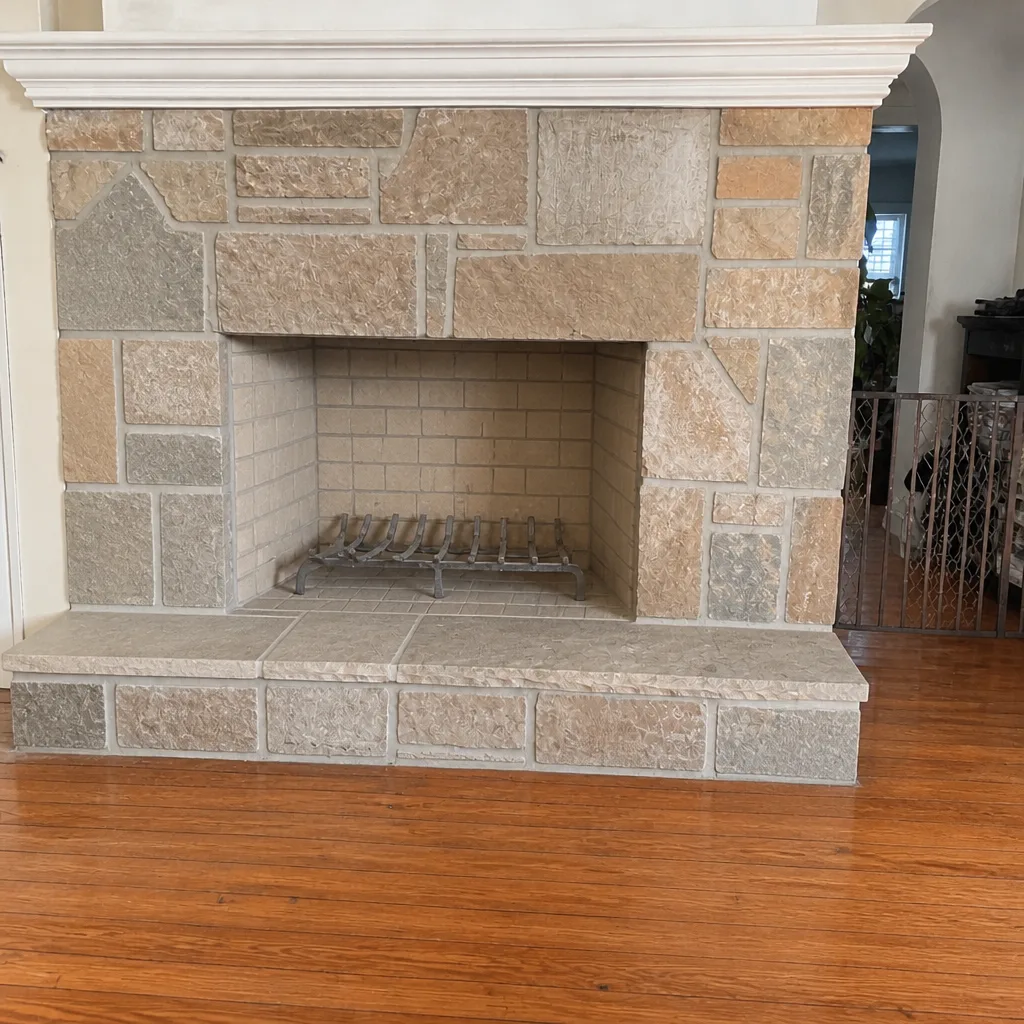
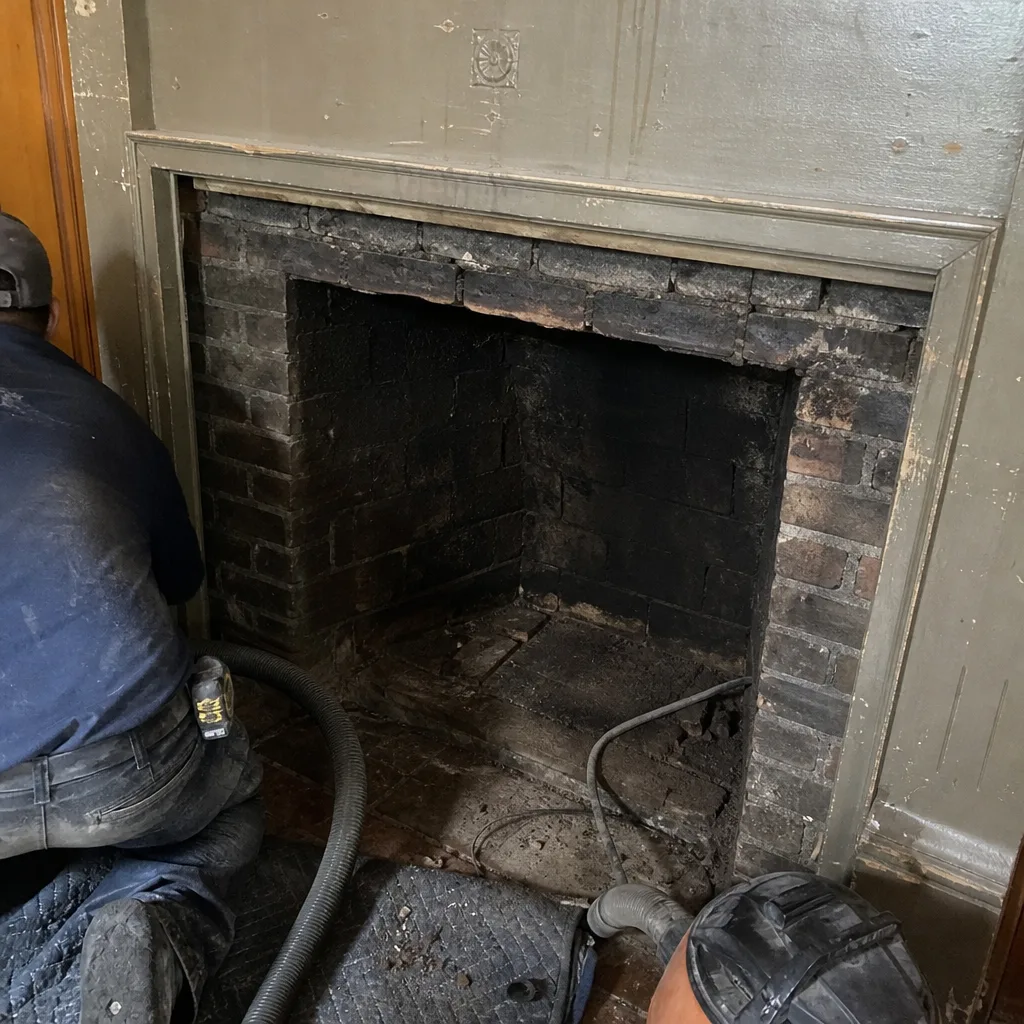
See the difference
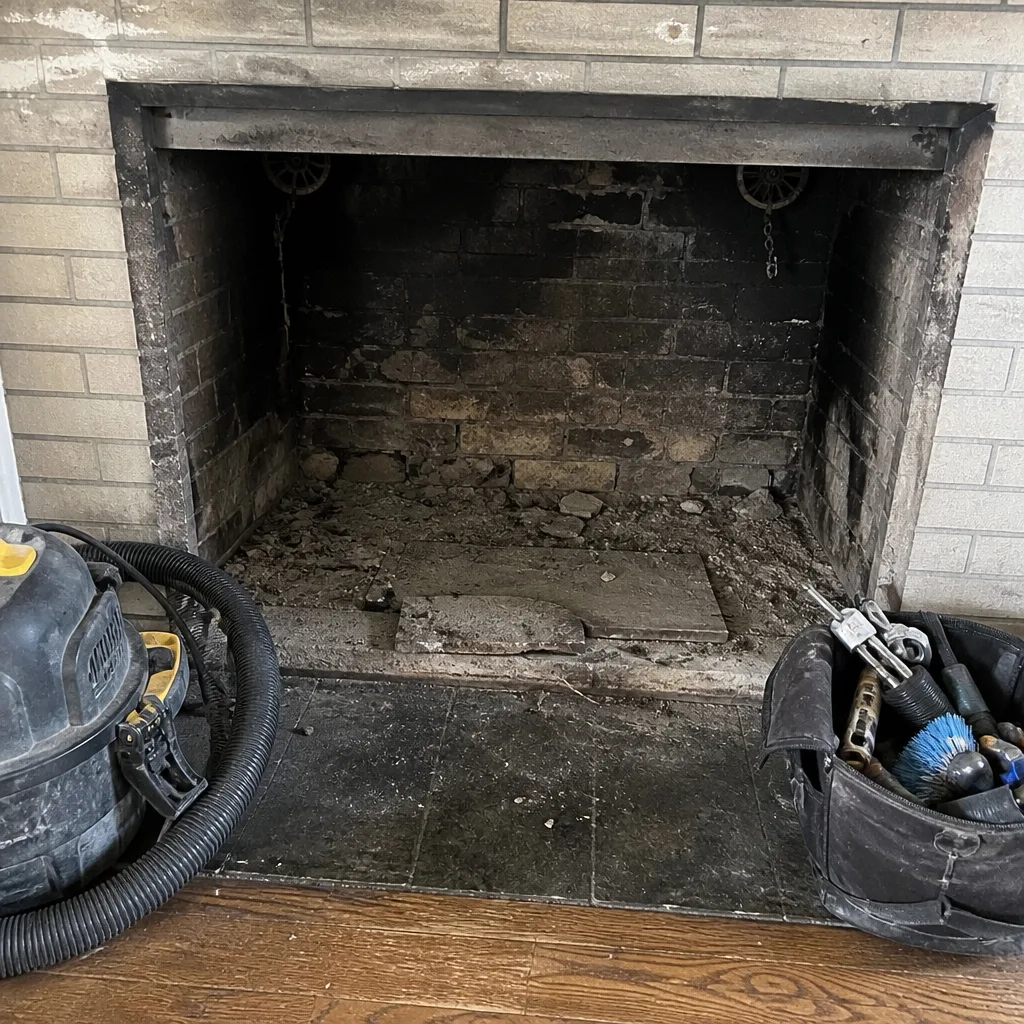 Before
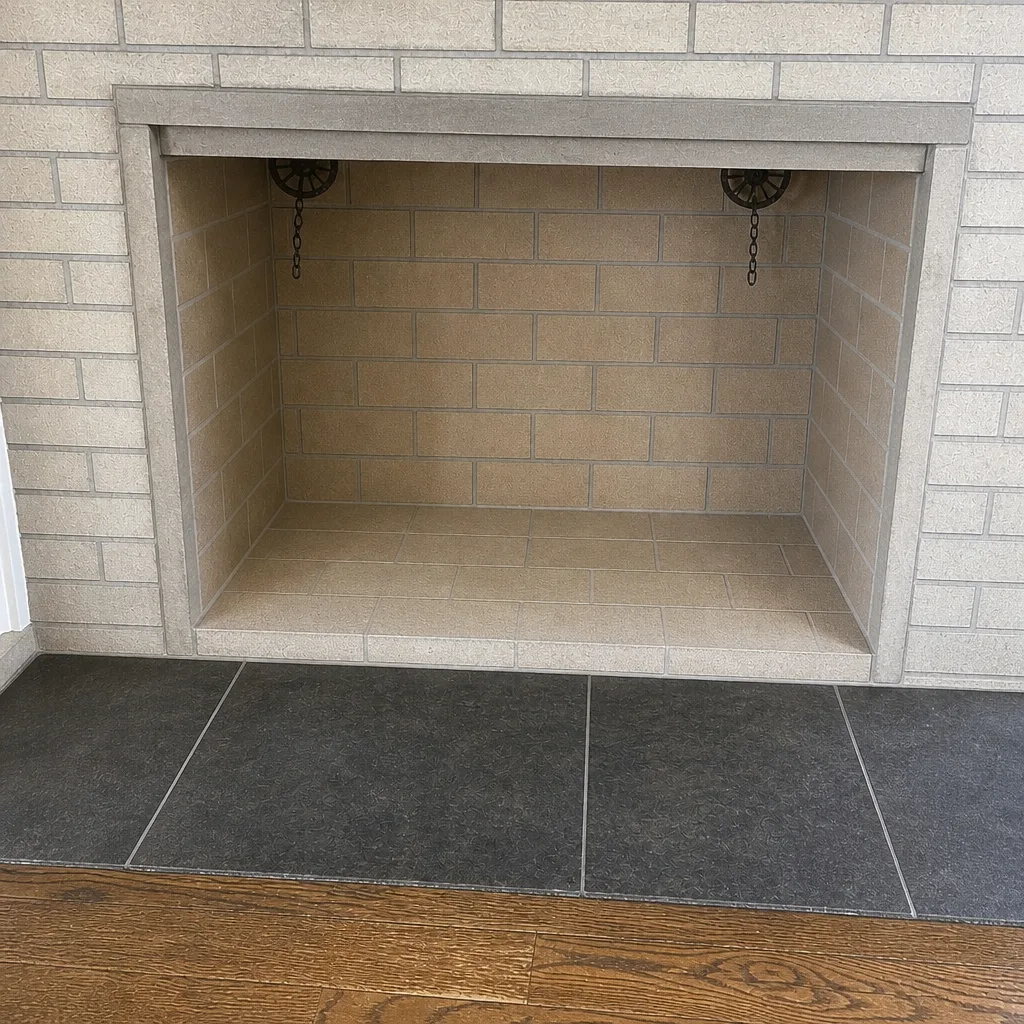 After
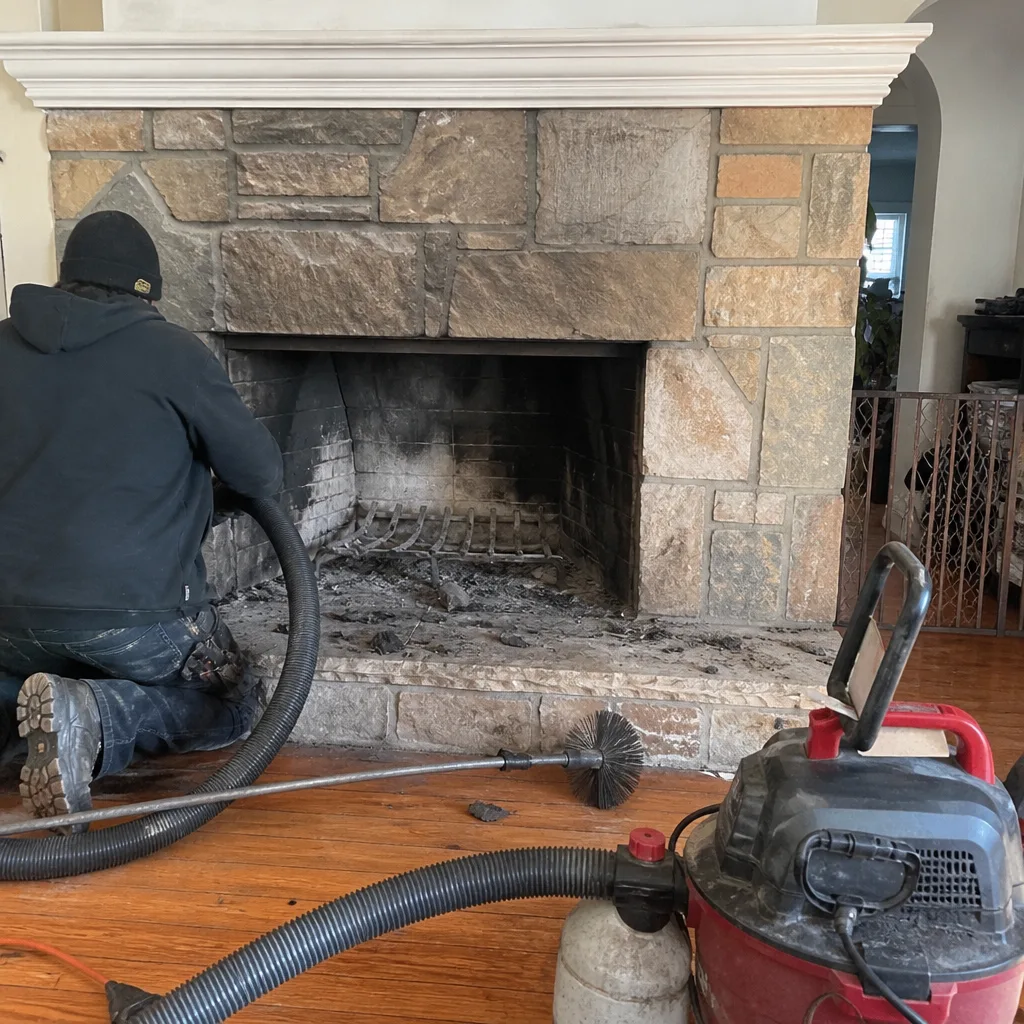 Before
 After
 Before
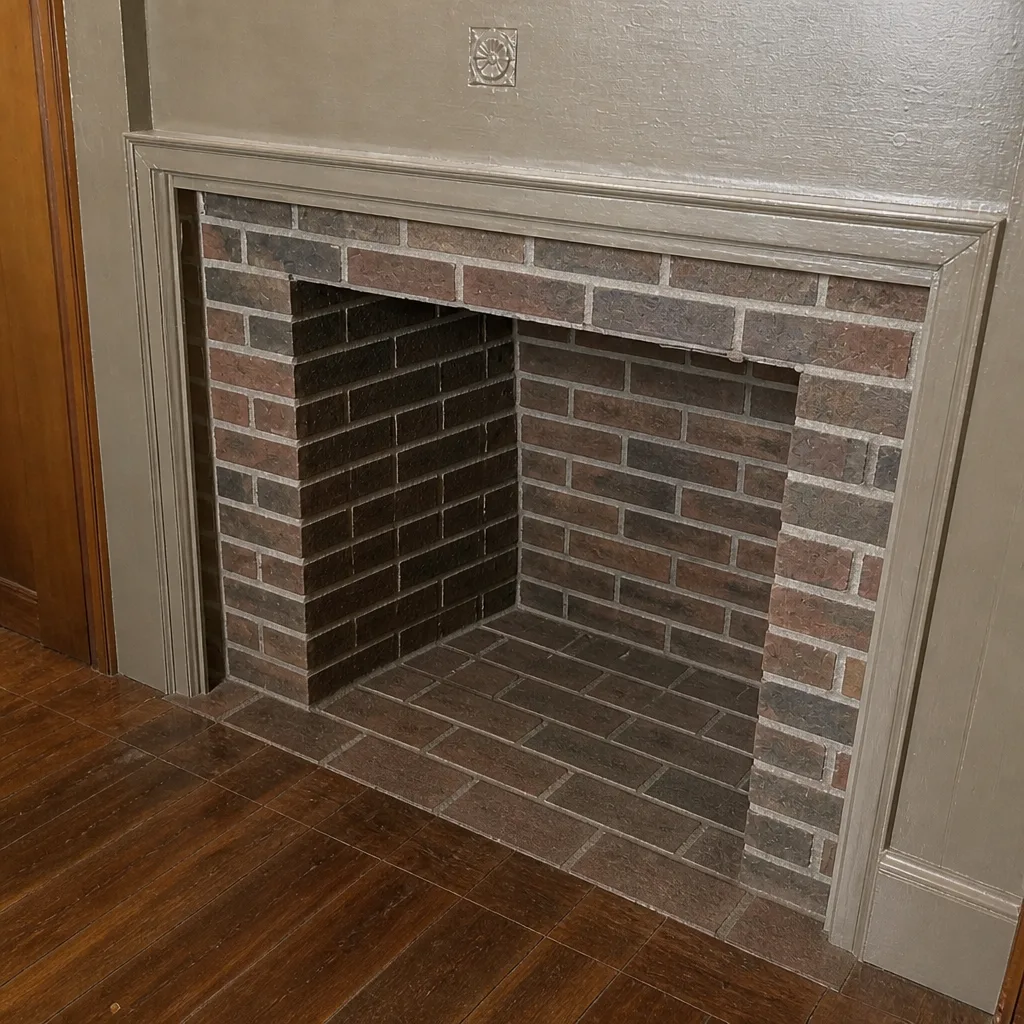 After
When to Call a Professional
Call a professional when any of these come up. Creosote at Stage 3, a chimney that smells like smoke when it isn’t in use, visible cracks in the crown or the flue liner, a cap that’s missing or bent, water staining on the firebox or the ceiling near the chimney, or a gas appliance that’s been serviced by no one. Any work that involves opening a flue, handling gas connections, or working on a roof is not a homeowner job. High-tension springs, gas lines, and electrical components are dangerous, and the right answer is a trained professional, every time. Chimney Sweep Far Rockaway offers free estimates in Far Rockaway; call (866) 937-8492. We answer 24/7. Fast dispatch from 7am to 7pm, Sunday through Friday.
Frequently Asked Questions
A standard chimney sweep in Far Rockaway typically costs between $150 and $400 for a single flue, and the estimate is free before any work begins. The written estimate sets the final price, and it should itemize the sweep, the inspection, and any repair line separately. The range reflects flue accessibility and whether a camera inspection is included. Call (866) 937-8492 for an exact quote. Estimates are free.
Not always. A new liner is only necessary when the existing liner is deteriorated beyond what HeatShield ceramic resurfacing can restore, and that conclusion should come from a camera inspection with photos you can see. A liner that’s cracked but structurally sound can often be restored. A liner that’s failed, displaced, or too small for the appliance needs a full reline, and DuraFlex is the standard system for that job. Ask to see the photos before you approve any liner work.
A chimney should be swept annually if you burn wood regularly, and inspected every year regardless. A chimney that’s used heavily, or that burns green or unseasoned wood, may need a sweep more often. A chimney that’s been idle for several seasons should be inspected before the first fire, not swept and assumed clean. The rule of thumb is annual service, with a written report each time.
Creosote builds up in the flue and becomes a fire hazard the longer it’s left. A chimney fire can damage the liner, the masonry, and in serious cases the structure of the home. Carbon monoxide is the other risk if the flue is blocked or the venting is compromised. Neither is a small problem, and neither is visible from the living room. The right move is a sweep and inspection before the season starts, not after a problem shows up. Call (866) 937-8492 for a free estimate.
Yes, you should require it. CSIA certification means the individual sweep has passed a test on codes, venting, and combustion safety, not just sweeping technique. It’s the credential that separates a trained professional from someone who bought equipment and printed a card. Ask for the certification and confirm it’s current before you book. If a contractor can’t name their certification, that’s the answer.
A sweep cleans the flue and removes creosote. An inspection evaluates the flue, liner, crown, cap, flashing, and firebox, and produces a written report with findings and photos. They’re different services and should be quoted separately. A sweep without an inspection tells you nothing about the condition of your chimney. An inspection without a sweep leaves the creosote in place. You need both, and the estimate should show both.
The Bottom Line
Hire a Far Rockaway chimney contractor the way you’d hire any specialist: verify the credential, ask the five questions, read the estimate line by line, and expect a written report at the end. The lowest bid usually reflects unnamed materials. The written estimate is where the real price lives. The vetted local professionals behind the six brands we work with (DuraFlex, HeatShield, Gelco, Olympia Chimney, Famco, and Copperfield) quote this way because it’s the standard that protects you. Our technicians have up to 8 years of experience, and inspections are a distinct service, not a checkbox before an upsell. If a contractor won’t name materials, won’t itemize, or won’t hand you a report, that’s your answer. Call (866) 937-8492 for a free estimate. We answer 24/7. Fast dispatch from 7am to 7pm, Sunday through Friday.
Written by the team at Chimney Sweep Far Rockaway.