
Last updated November 25, 2026
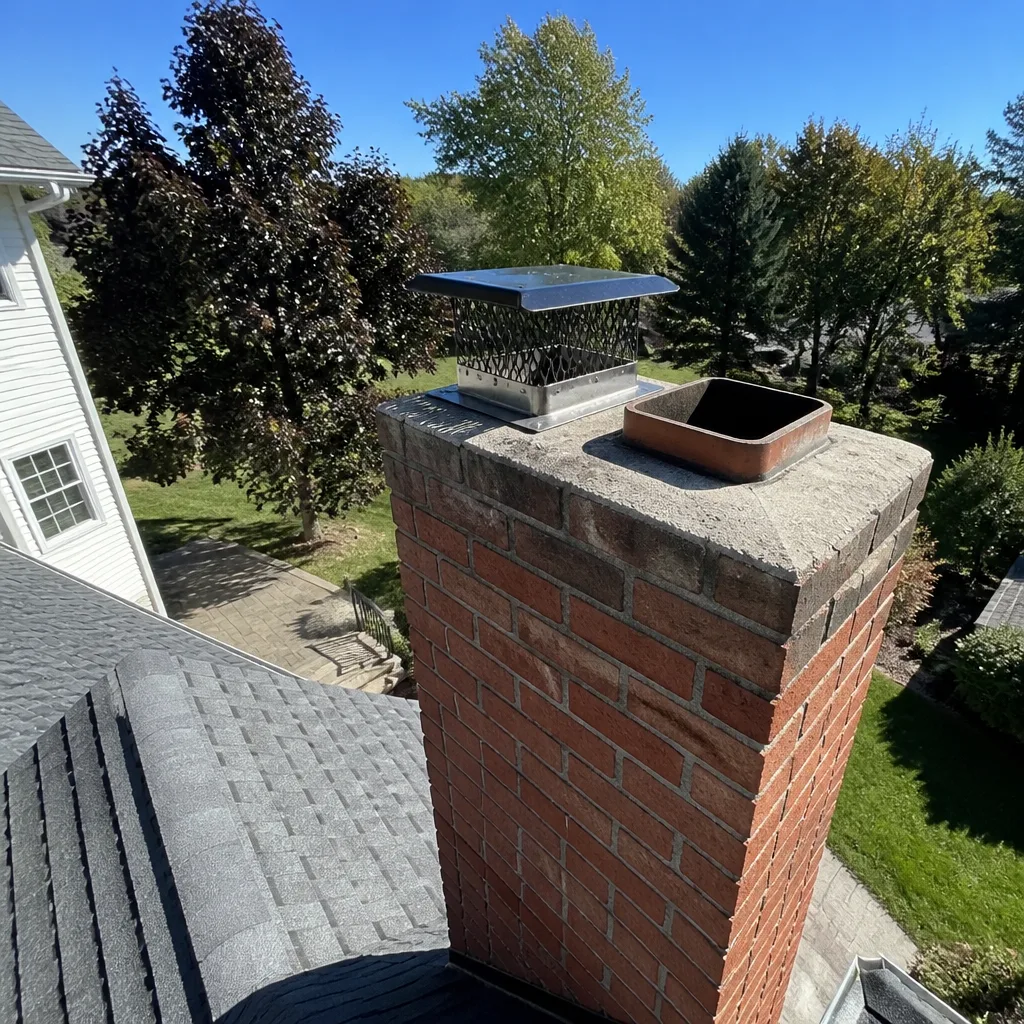 Sweep & inspection
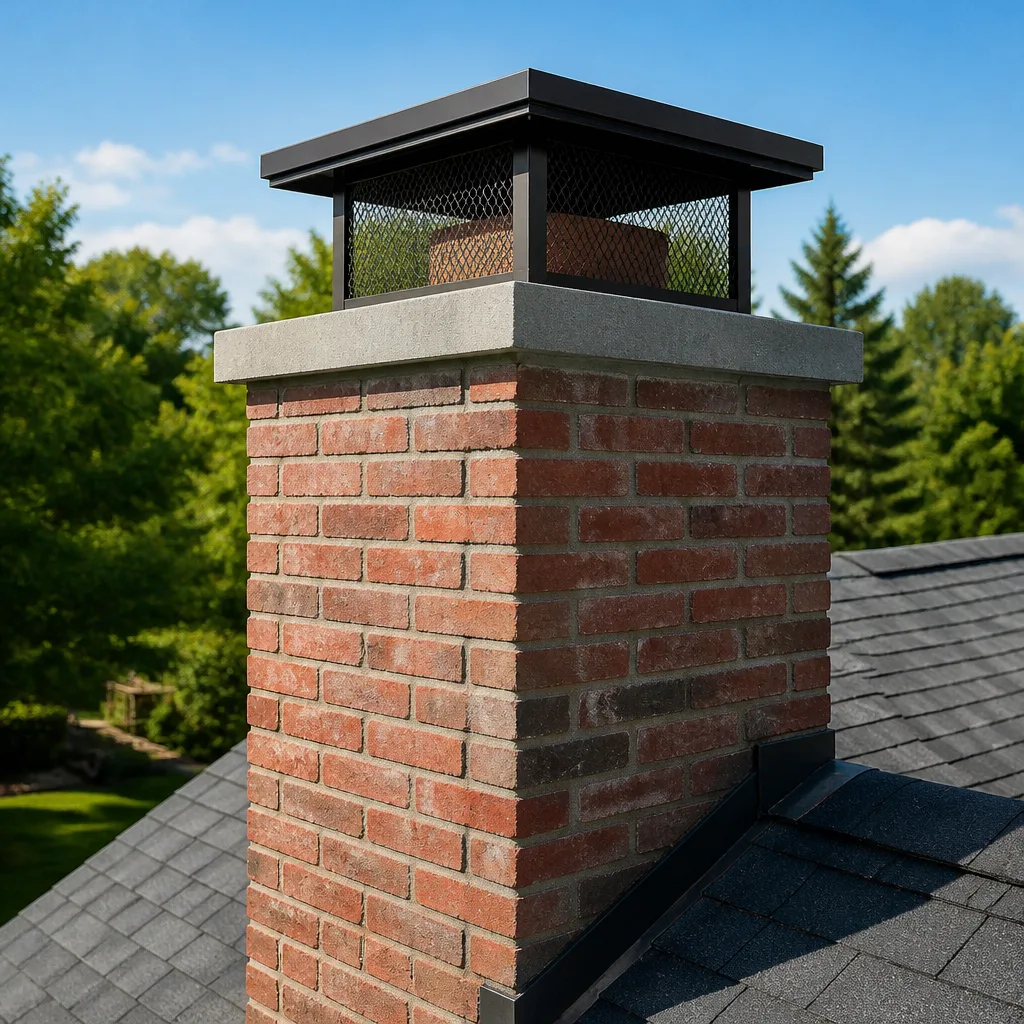 Caps & crowns
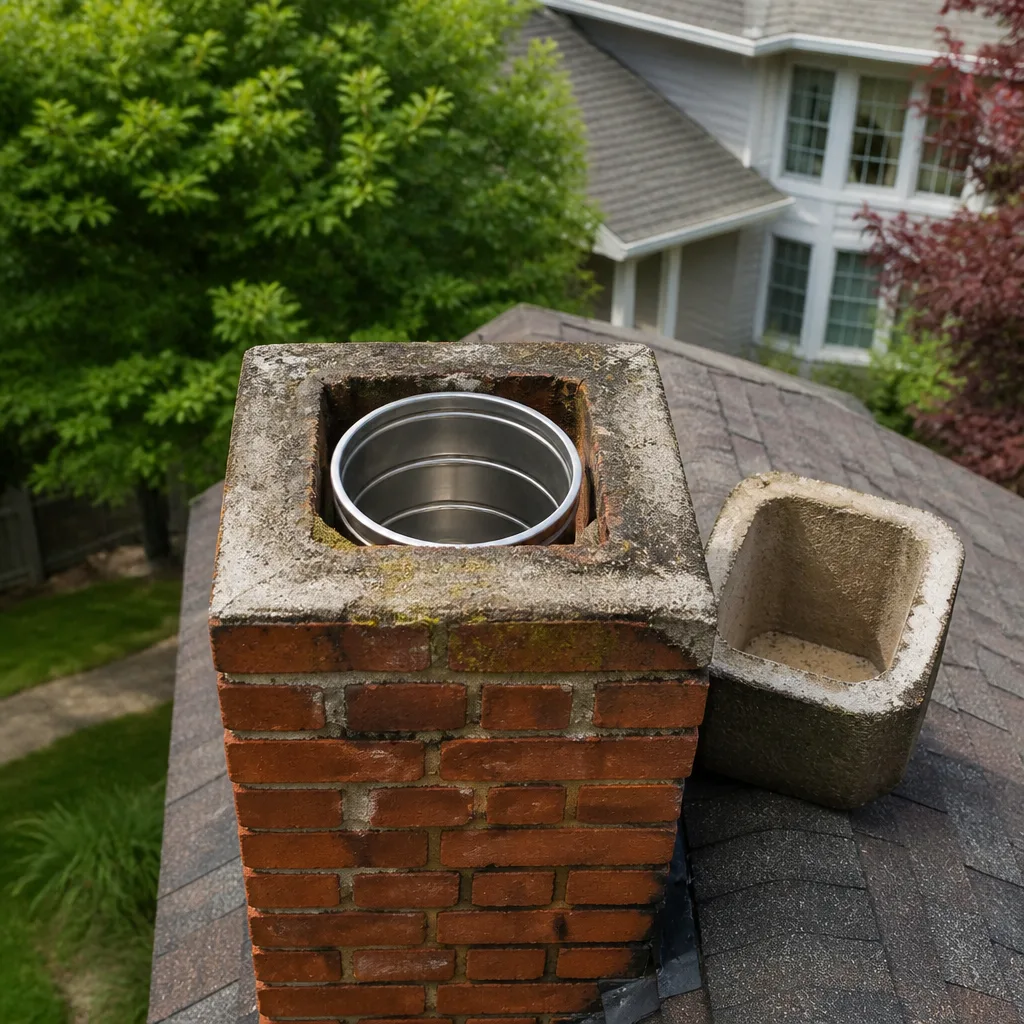 Flue relining
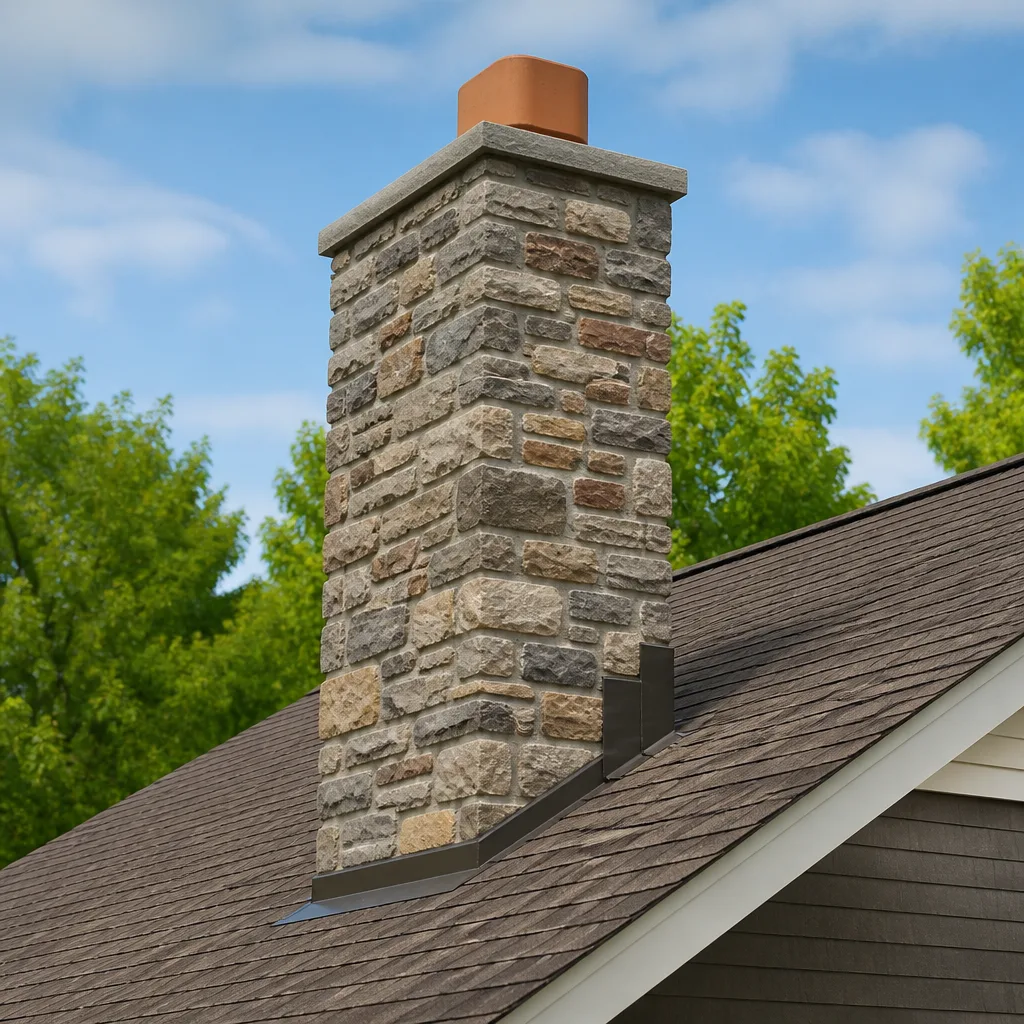 Masonry repair
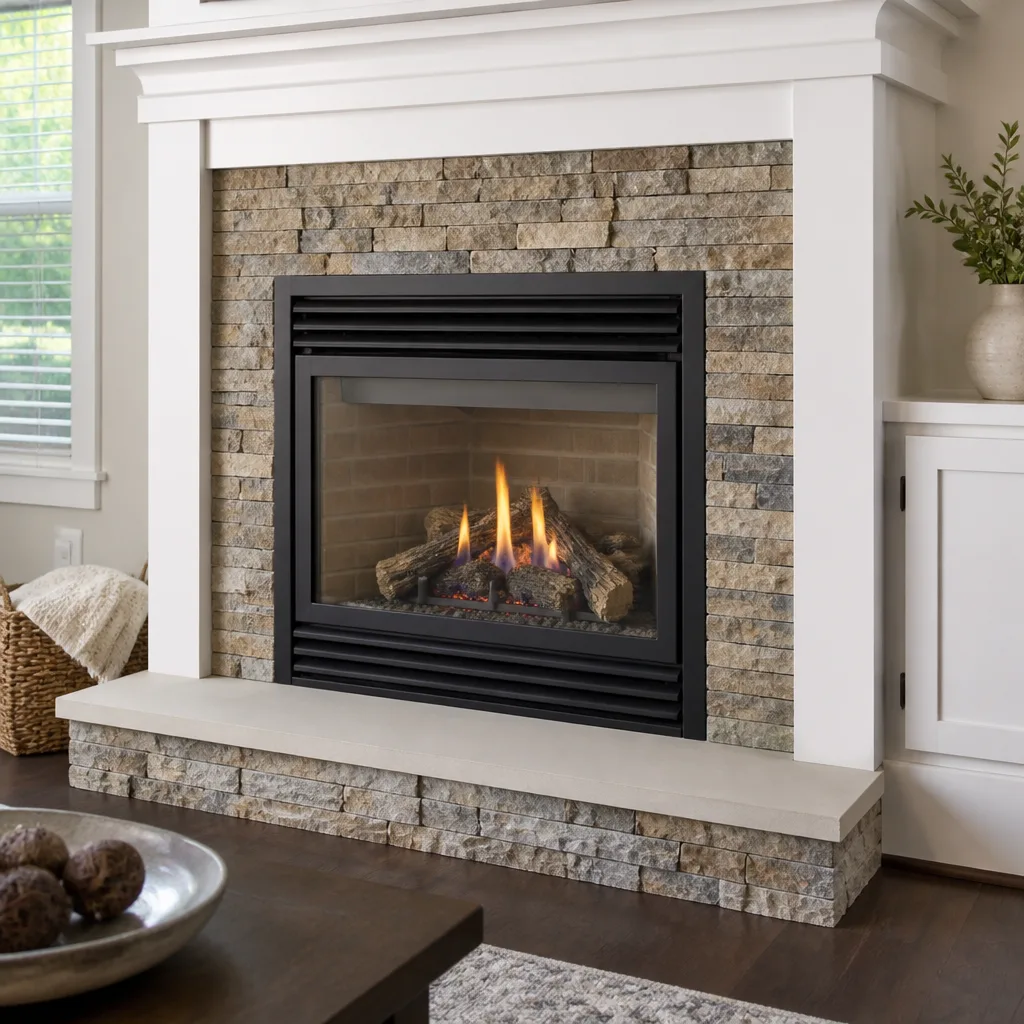 Gas fireplace service
Level 1 sweep and inspection to the NFPA 211 annual standard - flue, crown, cap, and flashing checked and photographed
Chimney sweep logs do not sweep chimneys. They loosen some creosote - which then falls where a brush and vacuum still have to collect it.
The Complete Guide to Chimney Cleaning in Far Rockaway
Most chimney fires don’t start in the dead of winter. They start in October, when the first hot fire of the season meets a flue that has spent a humid summer slowly loading up on moisture-activated creosote. In Far Rockaway, that window is narrower and the stakes are higher than most homeowners realize. The peninsula’s damp summers and the salt-laden air moving in off Jamaica Bay work on a chimney in ways an inland guide will never tell you about. This guide covers how cleaning actually works here, what the three stages of creosote mean for your flue, how our local climate speeds up liner damage, and how to read a sweeping report so you know what was cleaned and what got flagged.
Quick Answer
Chimney cleaning in Far Rockaway means removing creosote and soot from the flue, firebox, and smoke chamber, then inspecting the whole system for damage, and most homes that burn regularly need it once a year. Here, the humid summers and salt-laden air off Jamaica Bay push creosote toward the harder, glazed stages faster than inland properties, so the annual sweep matters more, not less. A proper cleaning includes a camera inspection and a written report you can actually read.
Styles & brands we work with
- Sweep & inspection
- Caps & crowns
- Flue relining
- Masonry repair
- Gas fireplace service
Table of Contents
- Why Far Rockaway Chimneys Age Differently
- The Three Stages of Creosote and Why Humidity Matters
- Masonry vs. Metal-Insert Chimneys: Different Brushing Protocols
- Level 1 vs. Level 2 Inspections: What Each Covers
- How to Read a Sweeping Report
- How Often Should a Far Rockaway Chimney Be Swept?
- What Actually Happens During a Cleaning
- Safety, Warning Signs, and When to Stop Burning
Why Far Rockaway Chimneys Age Differently
Far Rockaway sits on a peninsula, and that geography changes how a chimney wears. The air here carries moisture and salt year-round, and both find their way into masonry. Brick and mortar are porous. They absorb moisture on humid days and release it slowly, and every one of those cycles puts a little more stress on the joints, the crown, and the flue liner. An inland chimney in the same condition might hold for years longer before the damage becomes visible.
Salt-laden air off Jamaica Bay accelerates this. Salt is hygroscopic, meaning it pulls moisture out of the air and holds it against the masonry. On a chimney crown that’s already showing hairline cracks, that trapped moisture freezes and expands in a cold snap, widening the crack. On a clay flue liner, the same moisture works into the seams between tiles. Spalling brick, crumbling mortar joints, and a flaking crown are the visible signs, but the damage usually starts inside the flue where you can’t see it.
What this means for Far Rockaway homeowners:
- Chimney inspections here should look closely at the flue liner seams, not just the firebox.
- Crowns need checking every year, since a small crack lets water straight into the chimney structure.
- Exterior masonry on the windward side of a house tends to show wear first.
- A chimney cap matters more here than inland, because it keeps rain and blown moisture out of the flue between fires.
Understanding this local pattern is why we treat inspection as a real service, not a checkbox before an upsell. You should know exactly what you have before the season starts. If a crown or cap is failing, a chimney cap & crown replacement stops the water damage before it reaches the flue.
The Three Stages of Creosote and Why Humidity Matters
Creosote is the residue left behind when wood smoke cools inside the flue. It’s the main fuel in most chimney fires, and it comes in three stages that behave very differently. Understanding the stages tells you why a Far Rockaway chimney can look clean and still be a hazard.
- Stage one: soot and flaky dust. A thin, powdery coating. This is the easiest to brush away and the least dangerous, though it still needs removing each season.
- Stage two: flaky, crusty deposits. Creosote that has begun to bond to the flue wall. It looks like dark, brittle flakes or a crust. This is where Far Rockaway’s humidity pushes many homes faster than inland properties, because moist air slows the burn and lets deposits thicken and set.
- Stage three: glazed, tar-like creosote. A hard, shiny, tar-like layer that has essentially baked onto the flue. A standard brush skips right over it. Stage three creosote is highly flammable and needs specialized removal, sometimes with chemical treatment before brushing.
The reason humidity matters is straightforward: damp air and damp wood both cool the smoke faster, and cooler smoke deposits more creosote on the flue walls. A Far Rockaway homeowner burning wood that sat through a humid summer, or running a fire with a poorly drafting flue, can reach stage two in a single season. That’s why we always check the flue with a camera rather than trusting a visual look from the firebox.
If a chimney has reached the point where the flue liner itself is deteriorated from years of stage three deposits and heat, resurfacing with a ceramic system like HeatShield can restore the liner without a full reline. It’s a specialized fix, and it’s worth asking about if a report mentions a damaged liner.
Masonry vs. Metal-Insert Chimneys: Different Brushing Protocols
Not every chimney in Far Rockaway is built the same way, and they shouldn’t be cleaned the same way. Most of the older housing stock has masonry chimneys with clay tile liners. Newer homes and retrofit installations often use a prefabricated metal chimney or a stainless-steel liner insert. Each needs a different approach.
Masonry chimneys have clay tile liners with joints and seams, plus a firebox and smoke chamber that collect soot in corners a straight brush won’t reach. The brushing protocol here has to account for the liner seams, which can catch deposits and hide cracks. A rotary brush sized to the flue clears the walls, and the smoke chamber gets a separate pass, because the angled walls of the smoke chamber trap creosote that a straight flue brush never touches.
Metal-insert and prefabricated systems use a stainless-steel flexible liner inside. The brushing has to be gentler, because the wrong brush or too much force can scratch or bend the liner. The trade-off is that a metal liner is easier to inspect with a camera and less prone to the moisture damage masonry suffers. Many relining jobs use a DuraFlex stainless liner, which is the industry standard for this kind of work.
What tends to differ between the two:
- Masonry needs the smoke chamber and firebox cleaned as part of the job; metal systems have less of a smoke chamber to worry about.
- Masonry gains from a crown and cap inspection every visit; metal systems rely more on the top cap and flashing seal.
- Masonry liner cracks show up over time from moisture and heat; metal liners rarely crack but can corrode at the joints if moisture gets in.
We install caps and ventilation products from Gelco and Olympia Chimney because they hold up on both masonry and prefabricated systems. Getting the material right at the top of the chimney protects everything below it.
Level 1 vs. Level 2 Inspections: What Each Covers
Chimney inspections come in defined levels, and knowing which one you need keeps you from paying for work you don’t require or missing damage you can’t see. The levels follow the CSIA’s standard framework, and in Far Rockaway the coastal conditions make the higher level worth understanding.
Level 1 inspection covers the readily accessible parts of the chimney and fireplace: the firebox, damper, smoke chamber, flue from the bottom, and the visible exterior. It’s appropriate when the chimney has been in regular use with no changes and nothing has gone wrong. It’s the standard inspection that comes with an annual sweep.
Level 2 inspection goes further. It includes a video camera scan of the entire flue, the accessible attic and crawl space, and the chimney exterior, including the crown and cap. You need a Level 2 when:
- You’ve just bought or moved into a Far Rockaway home and don’t know the chimney’s history.
- The chimney has had a fire, a chimney fire, or any damage.
- You’ve changed the appliance, fuel type, or relined the flue.
- You’re seeing water stains, spalling brick, or a cracked crown.
- The home has been through a major weather event or a long vacancy.
Given how the local climate works on masonry, a Level 2 is often the right call for a first inspection in Far Rockaway, especially in a house with no known chimney history. The camera scan is what reveals a cracked liner seam or a hidden creosote pocket that a bottom-up look misses. Our technicians have up to 8 years of experience reading these scans, and they’ll walk you through what’s on the screen.
How to Read a Sweeping Report
A good sweeping report tells you two things clearly: what was actually cleaned, and what was flagged for follow-up. If a report is vague about the difference, ask. The difference is the whole point.
Here’s what a report should separate:
- Work performed. What was brushed, scraped, or vacuumed, and to what depth. It should name the firebox, smoke chamber, and flue.
- Findings. The condition of the flue liner, the crown, the cap, the damper, and the masonry. Each finding should say whether it’s cosmetic or structural.
- Photos and camera evidence. A camera inspection should produce images of the flue. You should be able to see what the technician is describing.
- Recommended next steps. Broken into what needs doing now, what can wait, and what should be monitored at the next sweep.
The most common frustration homeowners share is being told they need thousands of dollars of liner or masonry work with no way to verify it. You should never accept that. Nothing gets recommended without camera evidence you can look at yourself, and a real report will tell you plainly when work can safely wait until next season. If the report says the creosote was light and the liner is sound, that’s a clean bill of health, and it should say so in plain words.
On the follow-up side, if the report flags a worn flue liner, ask whether resurfacing with HeatShield is an option before assuming a full reline is needed. HeatShield is a ceramic resurfacing system for restoring a deteriorated liner, and it’s often the right call when the liner has lost integrity but the structure around it is still sound.
How Often Should a Far Rockaway Chimney Be Swept?
Once a year for any chimney in regular use. That’s the baseline, and it applies whether you burn hard through the winter or only light the occasional fire. For Far Rockaway specifically, there are a few reasons we lean toward the annual sweep as the floor, not the ceiling.
The standard rule of thumb is that a chimney should be inspected and swept when creosote reaches about an eighth of an inch of buildup. Far Rockaway’s humid summers mean creosote sets faster and harder than inland, so a chimney that would take two seasons to reach that thickness elsewhere can hit it in one. Homes that burn often, or that burn wood with higher moisture content, should expect to be on the annual schedule without exception.
A few local situations that call for more than a once-a-year look:
- A fireplace used heavily through the colder months, especially with frequent small fires, which deposit more creosote than steady hot burns.
- A home that sat vacant through a summer, letting moisture settle into the flue.
- Any chimney that has never had a documented inspection in a newly purchased Far Rockaway house.
- A chimney with a known cracked crown or missing cap.
The best signal is the report itself. If your last sweep found stage two creosote, the next inspection may need to come sooner. If it found light soot and a sound liner, the annual schedule is fine. Asking for the flue condition in plain terms at every sweep keeps you on top of it.
What Actually Happens During a Cleaning
A chimney cleaning is a sequence, not a single sweep up the flue. Here’s the order a proper job follows, so you know what to expect when a technician arrives.
- Setup and protection. Drop cloths go down, and a high-powered vacuum with HEPA filtration runs throughout so no soot escapes into the room.
- Firebox and damper check. The firebox, damper, and ash pit are cleared and inspected before any brushing starts.
- Flue brushing. A brush sized to the flue runs the full length, with the type of brush matched to masonry or a metal insert.
- Smoke chamber. Because the walls angle inward, the smoke chamber gets a separate pass to clear the trapped soot and creosote.
- Camera inspection. A video camera runs the flue to check for cracks, gaps, and deposits the brush missed.
- Exterior check. The crown, cap, and flashing get inspected from the roof or ground, depending on access.
- Report and walkthrough. You get the findings, the photos, and a clear explanation of what was cleaned and what’s flagged.
A cleaning and a chimney sweep in the fullest sense is this whole process. If a company stops at step three and never shows you the camera footage, you haven’t had a full service. The inspection is what turns a cleaning into actual knowledge about your chimney’s condition.
Safety, Warning Signs, and When to Stop Burning
A chimney is one of the few parts of a house that can fail without any warning you’d notice from the living room. That’s why the annual inspection matters: it catches the problems you can’t see from the firebox. But there are signs you should never ignore between visits.
Stop using the fireplace and get it inspected if you notice:
- Creosote flakes or soot falling into the firebox or onto the hearth.
- A strong, acrid smell in the room even when there’s no fire burning.
- Smoke backing into the room, or a fire that’s hard to start because of weak draft.
- Visible cracks in the firebox brick, the flue, or the chimney crown.
- Damper that sticks, won’t fully open, or doesn’t seal when closed.
- Water stains on the ceiling near the chimney, or rust on the damper or firebox metal.
Two hazards drive these warnings. A chimney fire happens when creosote in the flue ignites, and it can burn hot enough to crack the liner or spread into the structure. Carbon monoxide is the quieter risk. A blocked or damaged flue can push exhaust gases back into the home instead of up and out, and those gases are invisible and odorless. The way to guard against both is the same: a clean, inspected flue, kept free of heavy creosote, with an intact liner.
This is why we treat the inspection as a real service. It’s not a checkbox; it’s how you know whether a fire is safe tonight. High-tension chimney components and flue work are best left to trained technicians, and we recommend having any suspected liner or structural damage evaluated before using the fireplace again. When repair is needed, a chimney repair that addresses the crown, cap, flashing, or liner restores the system’s ability to vent safely.
Common Mistakes to Avoid
- Treating a visual look from the firebox as an inspection. If the technician never ran a camera up the flue, you don’t know the flue’s condition, and in a Far Rockaway home with moisture-prone masonry that gap matters.
- Burning damp wood to save money. Wood that sat through a humid summer carries moisture that cools the smoke and loads the flue with creosote faster. Dry, seasoned wood burns cleaner and deposits less.
- Skipping the sweep because you only burned “a few fires.” A handful of cool, smoldering fires can leave more creosote than a season of hot, steady burns. The stage of the deposit matters more than the number of fires.
- Ignoring a cracked crown because it’s “just the top.” The crown is the chimney’s roof. A crack lets water straight into the masonry, and that water is what leads to spalling brick and a failing liner.
- Going without a chimney cap. An uncapped flue admits rain, blown moisture, and nesting animals. A cap is the cheapest protection on the whole system.
- Accepting a big-ticket repair recommendation without evidence. You should always be able to see the camera footage or photo of the problem being described. If you can’t, ask for it, and hold off on the work until you do.
- Assuming a metal insert chimney doesn’t need an annual sweep. A stainless liner is more forgiving of moisture than masonry, but it still collects creosote and still needs an annual inspection and brushing.
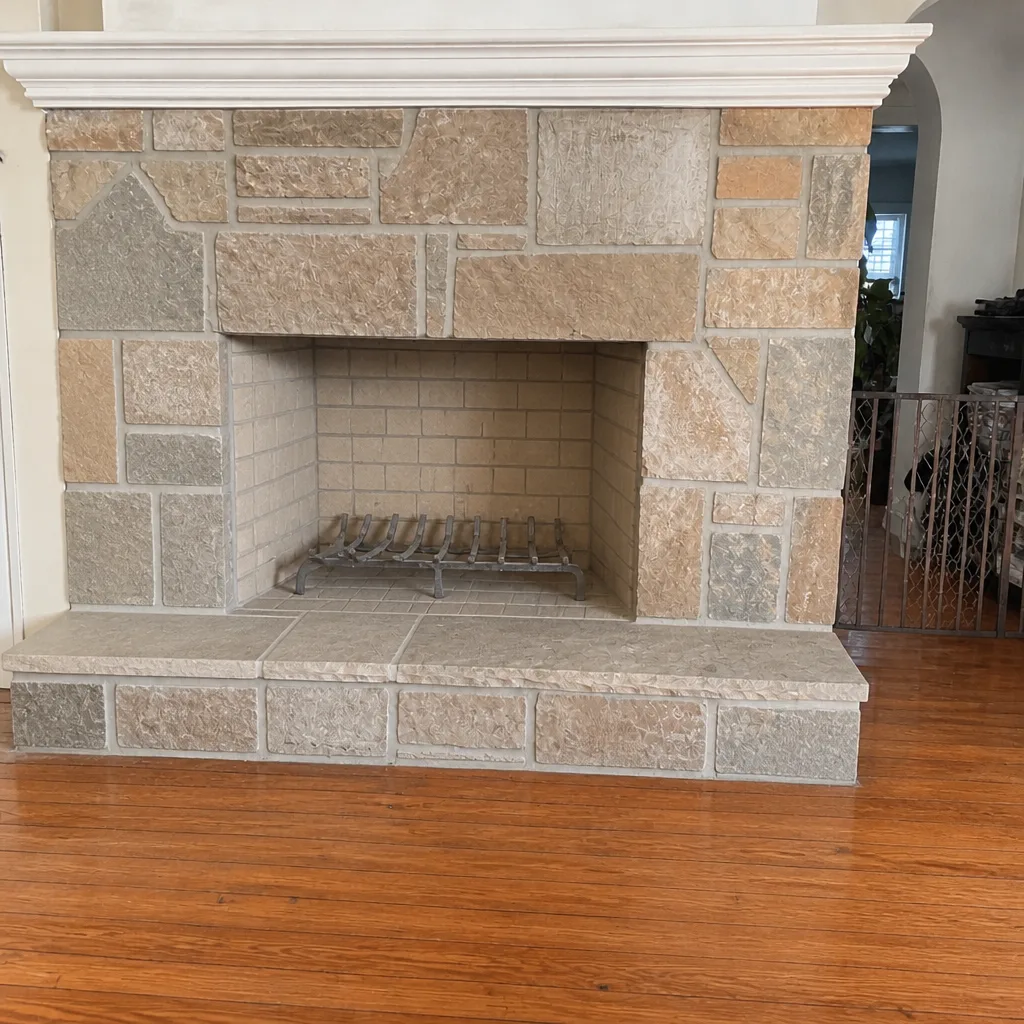
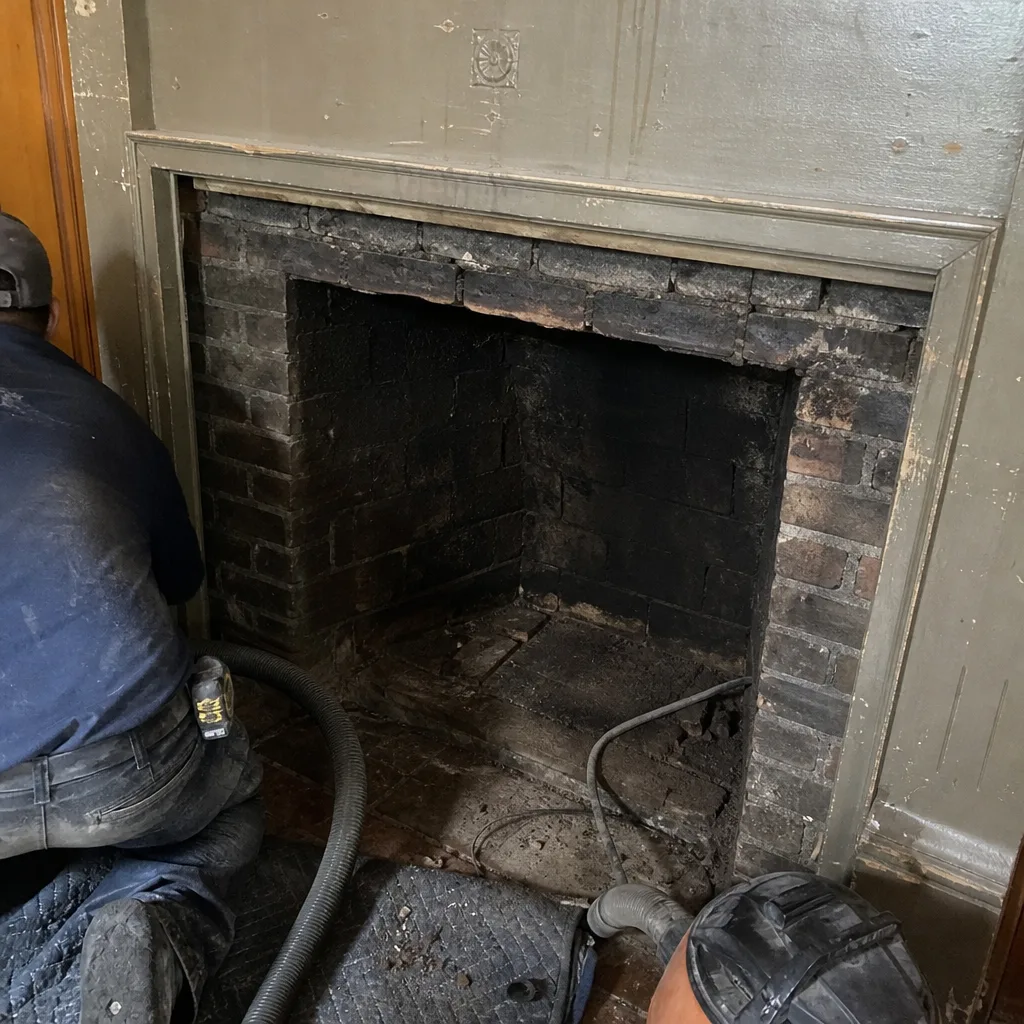
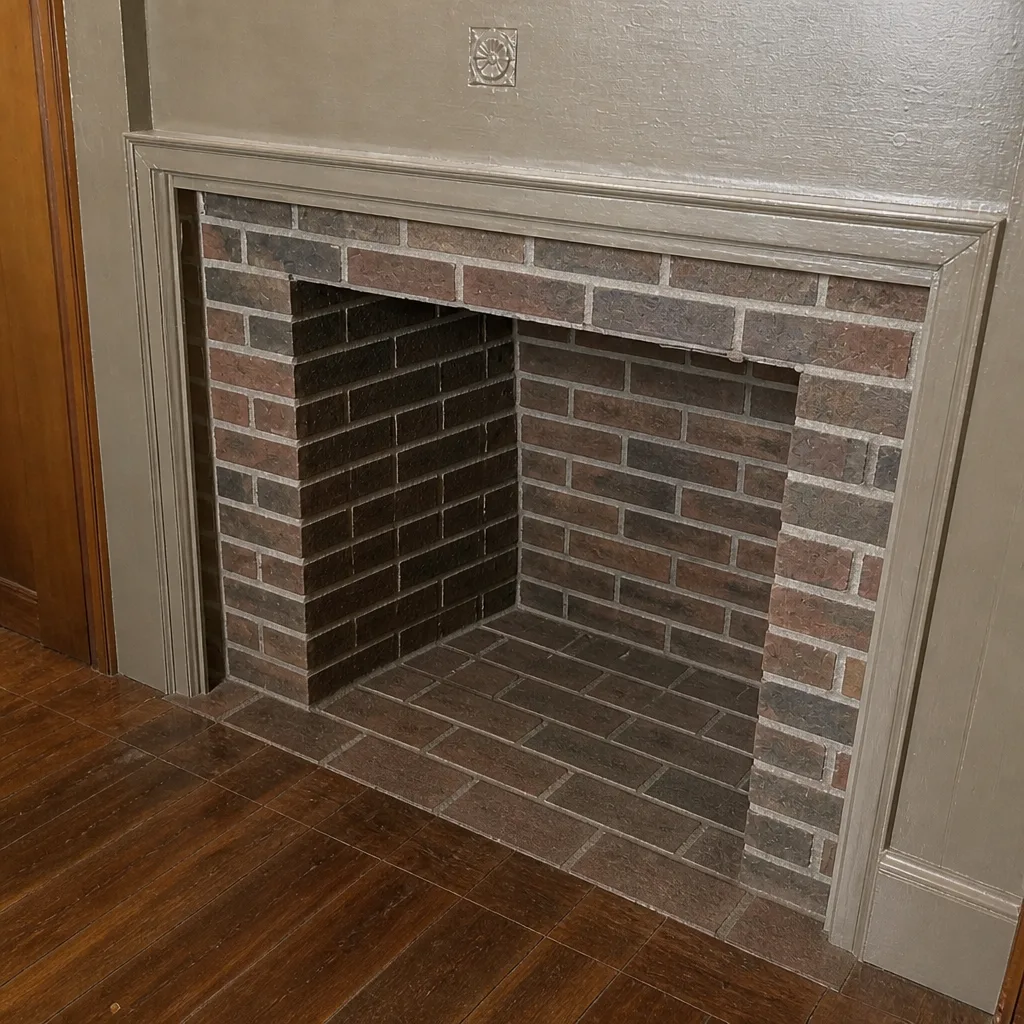
See the difference
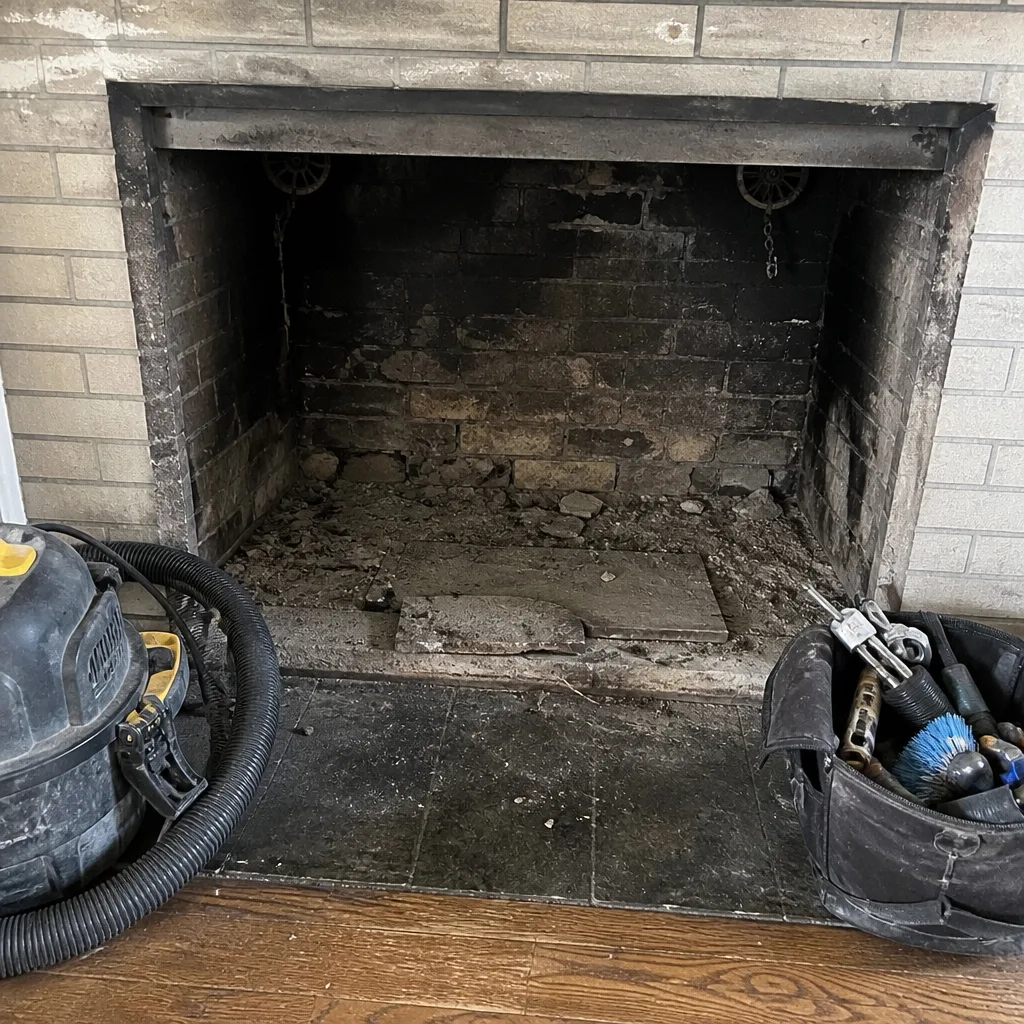 Before
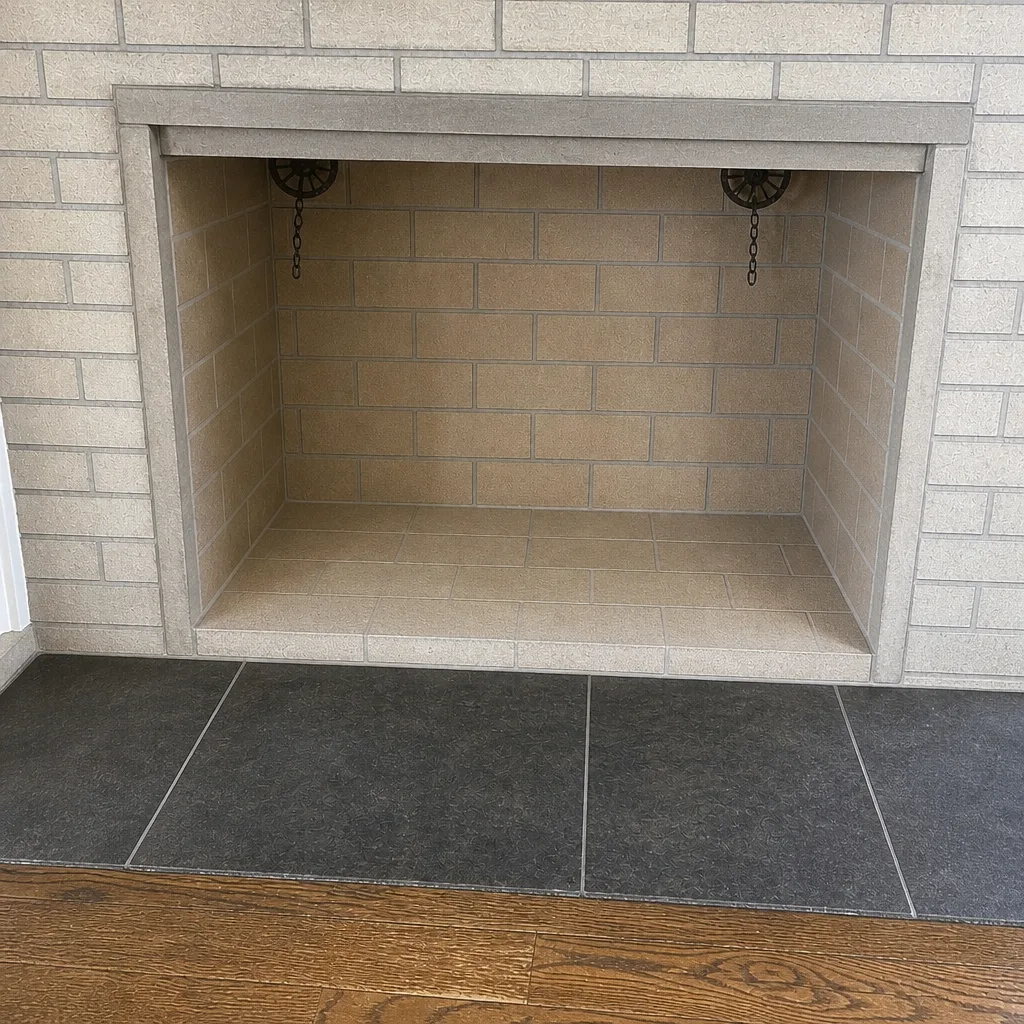 After
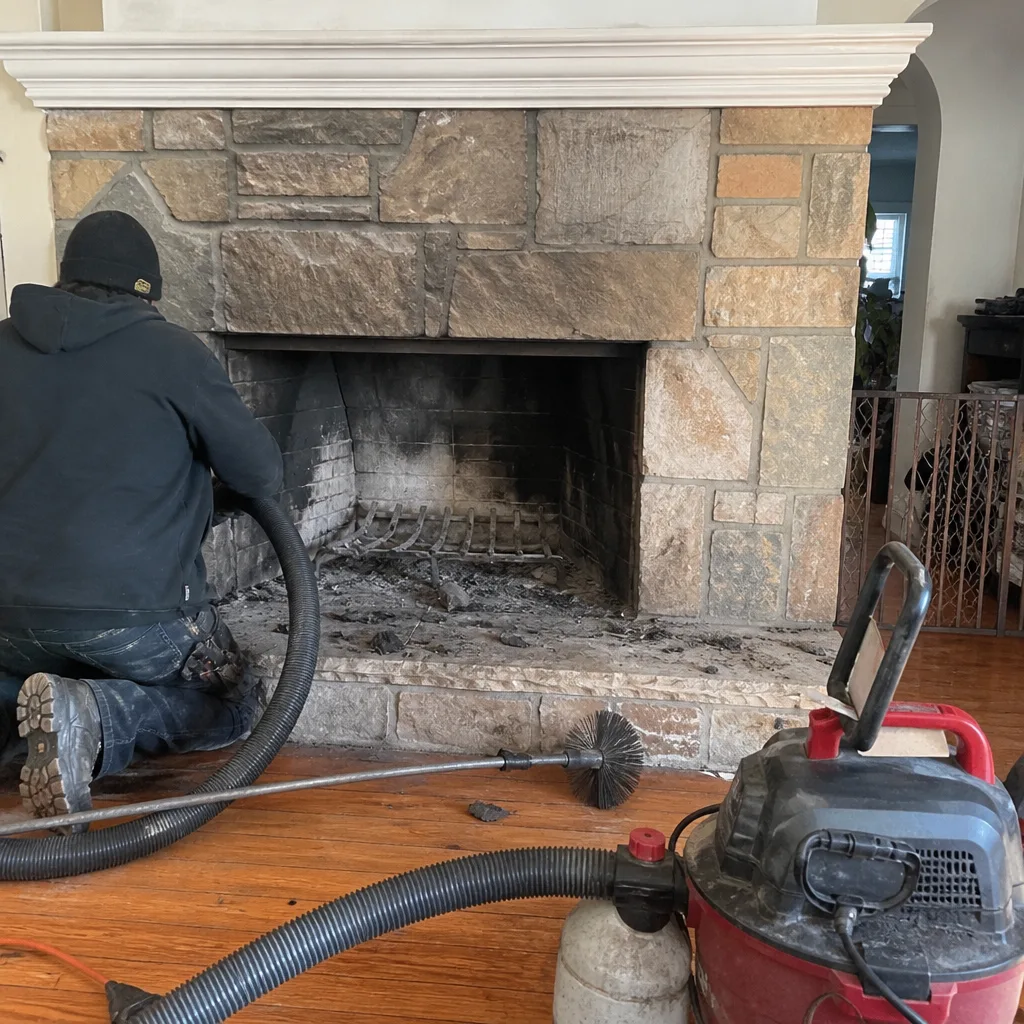 Before
 After
 Before
 After
When to Call a Professional
Call a technician for any annual cleaning and inspection, for a first-time inspection after moving into a Far Rockaway home, and for anything on the warning-sign list above. Chip at any sign of smoke backing into the room, creosote falling into the firebox, or a smell that lingers after the fire is out. If your last report flagged a cracked crown, a worn liner, or stage two or three creosote, the next step is a professional evaluation, not a wait-and-see. Some jobs can be safely paced across a season, and a good report will tell you which ones. Nothing gets recommended without camera evidence you can see for yourself, and the written estimate sets the final price. Chimney Sweep Far Rockaway offers free estimates in Far Rockaway. Call (866) 937-8492 to book a sweep and inspection.
Frequently Asked Questions
Chimney cleaning in Far Rockaway is priced per job by a written estimate, and the estimate is free, so the best way to get a real number is to book one and see it in writing. The price depends on the chimney type, its condition, and whether the job includes an inspection and camera scan. Call (866) 937-8492 for an exact quote; estimates are free.
Once a year for any chimney in regular use. If you burn wood often, or the last report found stage two creosote, you should expect to stay on that annual schedule without skipping a season. The flue condition from the last report tells you whether the regular timing is fine or whether a sooner look makes sense. Call (866) 937-8492 to book an annual sweep and inspection.
Not always, and that’s the key thing to check. A deteriorated liner can sometimes be restored with a ceramic resurfacing system like HeatShield instead of a full reline, depending on how much integrity the liner has lost. Ask whether resurfacing is an option before agreeing to a full reline, and ask to see the camera footage that justifies the recommendation. Call (866) 937-8492 for an inspection with the evidence in hand.
Creosote keeps building up in the flue, and once it reaches the glazed, tar-like stage it’s both harder to remove and more flammable. In Far Rockaway’s humidity, deposits set faster because moisture slows the burn and lets creosote thicken. The bigger risk is a hidden liner crack or a failing crown going unnoticed until it causes smoke backdraft or carbon monoxide to enter the home. Call (866) 937-8492 to get back on schedule; estimates are free.
Because the peninsula’s humid summers and the salt-laden air off Jamaica Bay work on masonry in ways inland climates don’t. Salt pulls moisture out of the air and holds it against the brick, mortar, and crown, which speeds up spalling, joint deterioration, and liner seam damage. That’s why an inspection here should pay close attention to liner seams and crowns, not just the firebox. Our technicians have up to 8 years of experience reading those local patterns.
A Level 1 is the standard inspection that comes with an annual sweep, and it covers the readily accessible parts of the chimney and fireplace. A Level 2 adds a video camera scan of the full flue plus the accessible attic and crawl space, and it’s the right call after a move, a chimney fire, a change in appliance or fuel, or any sign of water damage. If you’re unsure which fits, call (866) 937-8492 and we’ll walk you through it.
The Bottom Line
Chimney cleaning in Far Rockaway is an annual job, but the local climate makes it a more consequential one than the general advice suggests. The humidity and salt-laden air off Jamaica Bay push creosote toward the harder stages faster and wear on masonry and liner seams in ways an inland home never sees. The three things that matter most: sweep and inspect once a year, read the report so you know what was cleaned versus flagged, and never accept a major repair recommendation without camera evidence you can see. For the annual sweep, book a Chimney Sweep Far Rockaway. Call (866) 937-8492 for a free estimate. We answer 24/7. Fast dispatch from 7am to 7pm, Sunday through Friday.
Written by the team at Chimney Sweep Far Rockaway.